
 Posted by
 Yes, backpacks are considered carry-on items on most airlines, as long as they fit within the airline’s size limits for cabin baggage. You can usually store them under the seat in front of you or in the overhead bin. Always check your airline’s specific rules, as some may count a backpack as your personal item rather than your main carry-on.
Recommended Backpacks by Travel Type
Whether you are looking for a compact under-seat bag or a larger pack for a week-long trip, these top-rated backpacks are popular choices among travelers for their versatility and airline compliance.
Best For… Backpack Model Why It’s a Top Pick Best Personal Item Osprey Daylite 26+6 Specifically designed to meet most airline personal item requirements while still being expandable for extra gear. Best Overall Travel Osprey Farpoint 40 The gold standard for carry-on travel. It fits overhead bins perfectly and has a harness system that tucks away if you need to check it. Best Organization Cotopaxi Allpa 35L Features a suitcase-style opening with internal mesh compartments, making it incredibly easy to organize clothes without needing extra packing cubes. Best for Tech Aer Travel Pack 3 High-quality, durable materials with a dedicated laptop compartment and sleek design that looks professional in any setting. Best Budget Matein Carry-On Travel Backpack Extremely affordable, very popular, and specifically designed with a dedicated laptop sleeve and plenty of space for short trips.
Yes—most backpacks count as carry-ons if they fit your airline’s size limits.
If you have ever asked, are backpacks considered carry on, you are not alone. I fly often for work and family trips. In this guide, I explain airline rules in plain language. You will learn how to choose the right backpack, measure it, pack it, and avoid fees. Stick with me, and you will board with confidence.
Cabin Max Metz 30L Travel Bag 18x14x8 inch (2026) – Best Small Travel Bag for Weekend Trips
What counts as a carry-on on most airlines?
A carry-on is a bag you take on the plane and place in the overhead bin. Airlines set a size box called a sizer. If your bag fits inside, it goes on board. Most US airlines use a common limit: 22 x 14 x 9 inches. Some include wheels and handles in that size. Some do not.
You also get a personal item. That is a smaller bag that must fit under the seat. Think purse, briefcase, small backpack, or camera bag. The underseat space is tight, so a slim profile helps.
So, are backpacks considered carry on on most airlines? Often yes, if they fit the carry-on sizer and go in the overhead bin.
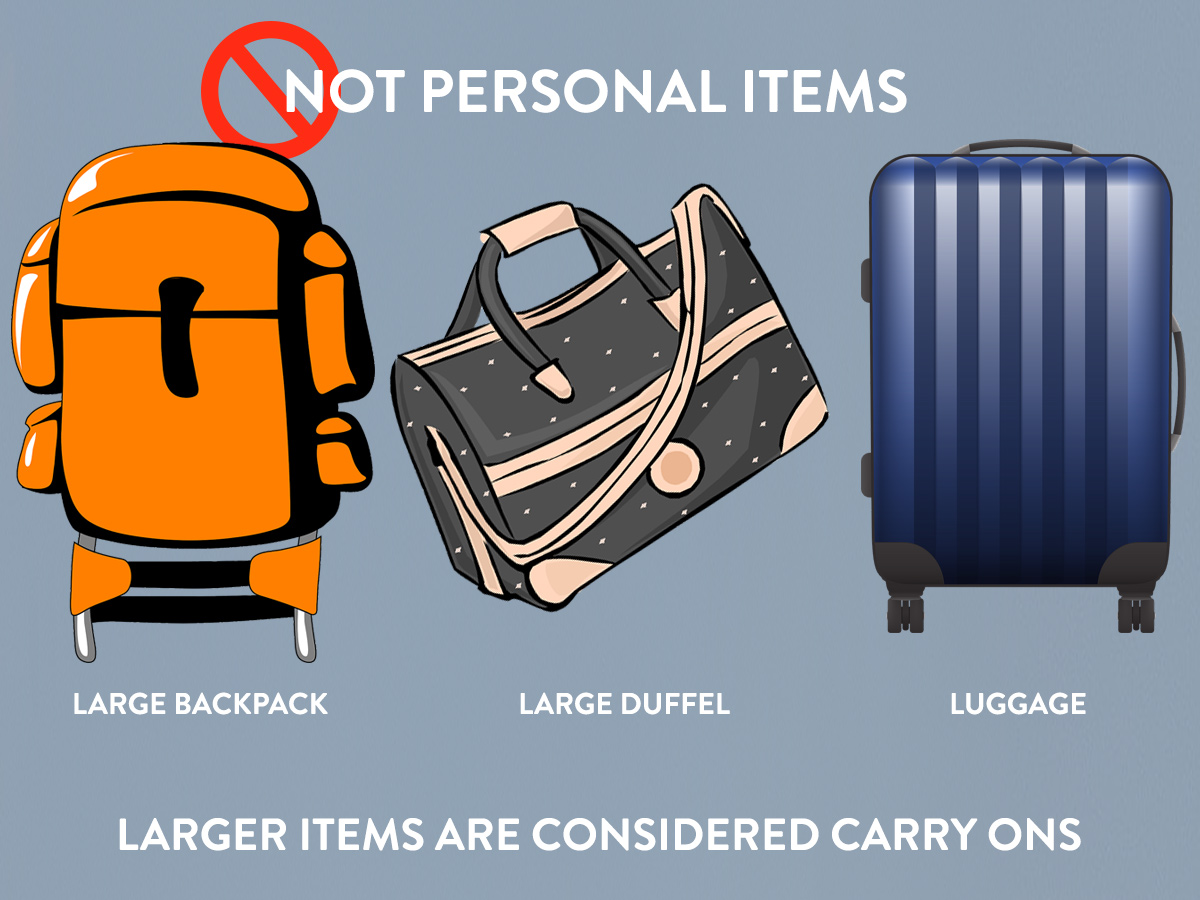
Are backpacks considered carry-on or personal item?
It depends on your backpack and your airline. A small daypack can be your personal item. It slides under the seat and frees your overhead spot. A mid-size travel backpack (about 35–45 liters) is usually your carry-on. It goes in the overhead bin. A large trekking pack (50 liters or more) is risky. It may need to be checked.
People ask all the time: are backpacks considered carry on or a personal item? The answer comes down to size, structure, and how full it is. Soft backpacks compress. That is good. Loose straps and tall frames make bags look bigger. That is bad.
For many US airlines, are backpacks considered carry on if they fit the sizer? Yes. Keep your pack tidy. Tuck straps. Use the side straps to compress the load.
Size and weight limits by popular airlines
Rules vary by carrier. Always check your booking. Policies change and can vary by fare type.
United States
- American, Delta, United: Carry-on up to 22 x 14 x 9 in. Personal item about 17 x 13 x 8 in.
- Southwest: Carry-on up to 24 x 16 x 10 in. Personal item about 16.25 x 13.5 x 8.5 in.
- JetBlue, Alaska: Carry-on up to 22 x 14 x 9 in. Personal item about 17 x 13 x 8 in.
- Spirit: Personal item free up to 18 x 14 x 8 in. Carry-on up to 22 x 18 x 10 in with a fee.
- Frontier: Personal item free up to 14 x 18 x 8 in. Carry-on up to 24 x 16 x 10 in with a fee.
Europe
- Ryanair: Small personal bag free (40 x 20 x 25 cm). Larger cabin bag (55 x 40 x 20 cm) with Priority or a fee.
- easyJet: Small underseat bag free (45 x 36 x 20 cm). Large cabin bag (56 x 45 x 25 cm) with a fee.
- British Airways: Cabin bag (56 x 45 x 25 cm) plus personal item (40 x 30 x 15 cm).
International long-haul examples
- Lufthansa: Cabin bag (55 x 40 x 23 cm). Economy often 1 piece. Personal item allowed.
- Air France: Cabin bag (55 x 35 x 25 cm) plus personal item (size varies by fare).
- Emirates, Qatar: Economy cabin bag often limited to 55 x 38 x 20 cm, 7 kg max weight.
By airline, the answer to are backpacks considered carry on changes with size, weight, and fare rules.

How to measure your backpack (and make it fit)
Use a soft tape. Measure height, width, and depth at the largest points. Include handles, hip belts, and any bulges.
Tips to shrink your pack’s footprint
- Use compression straps. Pull them tight.
- Move hard items away from corners. Keep edges soft.
- Do not overstuff the front pocket. That adds depth fast.
- Tuck or remove the hip belt if it sticks out.
- Pack cubes help shape the bag into a clean block.
Before you leave home, test your pack in a box that matches your airline’s size. If you want a yes to are backpacks considered carry on, make it fit this box first.
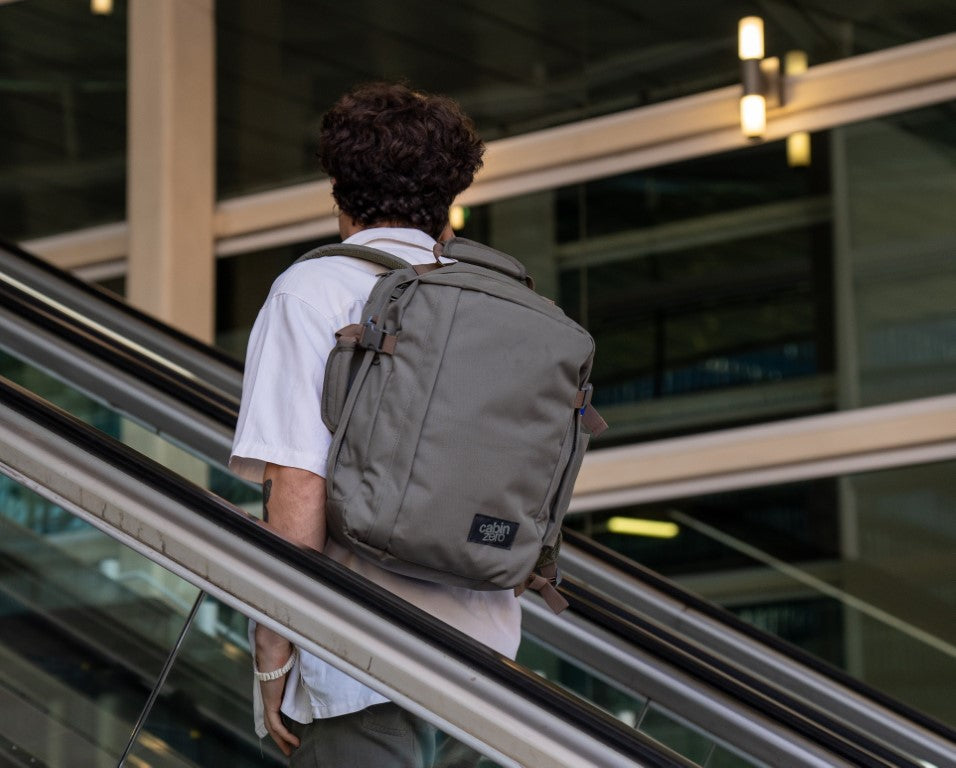
Packing tips to avoid a gate check
- Keep heavy items low and close to your back. This keeps the shape slim.
- Put bulky layers on your body, not in your bag. Wear your jacket and sneakers.
- Follow liquid rules. Use 3-1-1 for carry-ons. A clear quart bag saves time.
- Keep batteries and power banks in your backpack. Do not place them in checked bags.
- Build an underseat kit. Headphones, charger, meds, documents, and a snack.
- Leave souvenirs space. A tight bag is harder to compress at the gate.
These steps help ensure are backpacks considered carry on at boarding, not a last-minute check.
Are Purses Considered Carry On – How to Pack Smart and Stay Compliant
Real-world lessons from the road
I have used a 42-liter travel backpack on over 50 flights. It passed on Delta, United, and JetBlue. It also worked on British Airways and Lufthansa. The key was compression and tidy straps.
I once tried to board with a 55-liter hiking pack on a full flight. The gate agent asked me to try the sizer. It failed. I checked it and waited at baggage claim. Since then, I bring a soft 35–40 liter pack when space is tight.
From my trips, are backpacks considered carry on depends on three things: your packed size, the flight’s load, and how strict the agent is. Control what you can: size and neatness.

Security and TSA rules for backpacks
Security rules do not decide are backpacks considered carry on; size and airline policy do. Still, plan for screening.
- Liquids: 3.4 oz max per item, all in one quart bag.
- Laptops: Out of the bag unless you have PreCheck or use a special bin.
- Batteries: Power banks and loose lithium batteries must stay in your carry-on.
- Food: Solid snacks are fine. Spreads count as liquids or gels.
- Tools: Small tools under 7 inches may be allowed. Knives are not.
International trips may add checks. Keep cables tidy and liquids on top. A smooth search helps you move fast.
Common myths and mistakes
- Myth: A backpack is always a personal item. Truth: Size decides. Many are carry-ons.
- Myth: If it fits overhead, rules do not matter. Truth: It must fit the sizer first.
- Myth: Weight is never checked. Truth: Many non-US airlines weigh cabin bags.
- Mistake: Dangling straps. They catch on bins and make the bag look bigger.
- Mistake: Overstuffed front pockets. This often kills your depth limit.
Here are myths around are backpacks considered carry on I hear every week. Most problems come from size, not the type of bag.

Frequently Asked Questions of are backpacks considered carry on
Are backpacks considered carry on on international flights?
Yes, if they meet the airline’s cabin size and weight rules. Many international carriers also set a 7–10 kg weight cap.
Are backpacks considered carry on on Spirit and Frontier?
They can be, but carry-ons cost extra on these airlines. A small backpack that fits the personal item size is free.
Can my backpack be both my carry-on and my personal item?
No. You get one carry-on and one personal item, unless your fare limits this. A single backpack can count as either, based on size.
What backpack size usually passes as a carry-on?
Aim for bags that pack down to about 22 x 14 x 9 inches or less. In liters, 35–45 liters is the safe zone for soft packs.
Will a 50-liter backpack pass as a carry-on?
It might, but it is risky when full. If you compress it and keep depth under control, you may be fine on some flights.
Are travel backpacks better than suitcases as carry-ons?
They can be, especially on stairs, cobblestones, or small planes. Soft sides also help fit tight bins.
Do airlines count water bottles in backpack size?
Not for size, but they count for weight if your bag is weighed. Empty your bottle before security and refill after.
Conclusion
Most travelers can bring a backpack as a carry-on with no trouble. Keep your pack within the size box, control depth, and tidy your straps. Know your airline’s rules, and you will breeze through the gate.
Your next step: measure your backpack and do a quick test pack today. If you found this helpful, subscribe for more travel tips or drop a question in the comments.

Md Abdul Muhaimen is an experienced travel content writer and guide who has a Master’s in Information Systems Management from the University of Huddersfield. He is passionate about all things related to travel logistics and trip planning, and has assisted thousands of readers in choosing the proper luggage, knowing which items can be included in carry-on luggage, and understanding an airline’s policy with confidence.
Md Abdul has a sound grounding in systems thinking and data-driven content creation that allows him to bring clarity to complicated travel topics — from comparing the exact sizes of cabin bags from multiple airlines to developing helpful how-to guides to simplify a traveler’s experience.
He actually engages in travel forums on Quora, answers real user questions, and shares insights by posting on Medium blogs
.His work marries first-hand research, consumer-focused advice, and technical accuracy, and he is a voice that can be trusted among the travel and luggage community.