Is a Backpack a Carry on Bag? Essential Rules Must Know
Is A Backpack A Carry On Bag
Traveling today comes with many rules, especially when it comes to bags. One of the most common questions is: Is a backpack a carry on bag? The answer is yes, a backpack can be a carry on bag, but only if it fits the airline’s size and weight rules. Many travelers use backpacks as their main carry on, and airlines accept them on board as long as they meet requirements. However, there are important details to understand before you pack your bag and head to the airport. Let’s look at what makes a backpack a carry on, what airlines expect, and how to make your trip easier.
A Backpack Can Be A Carry On Bag
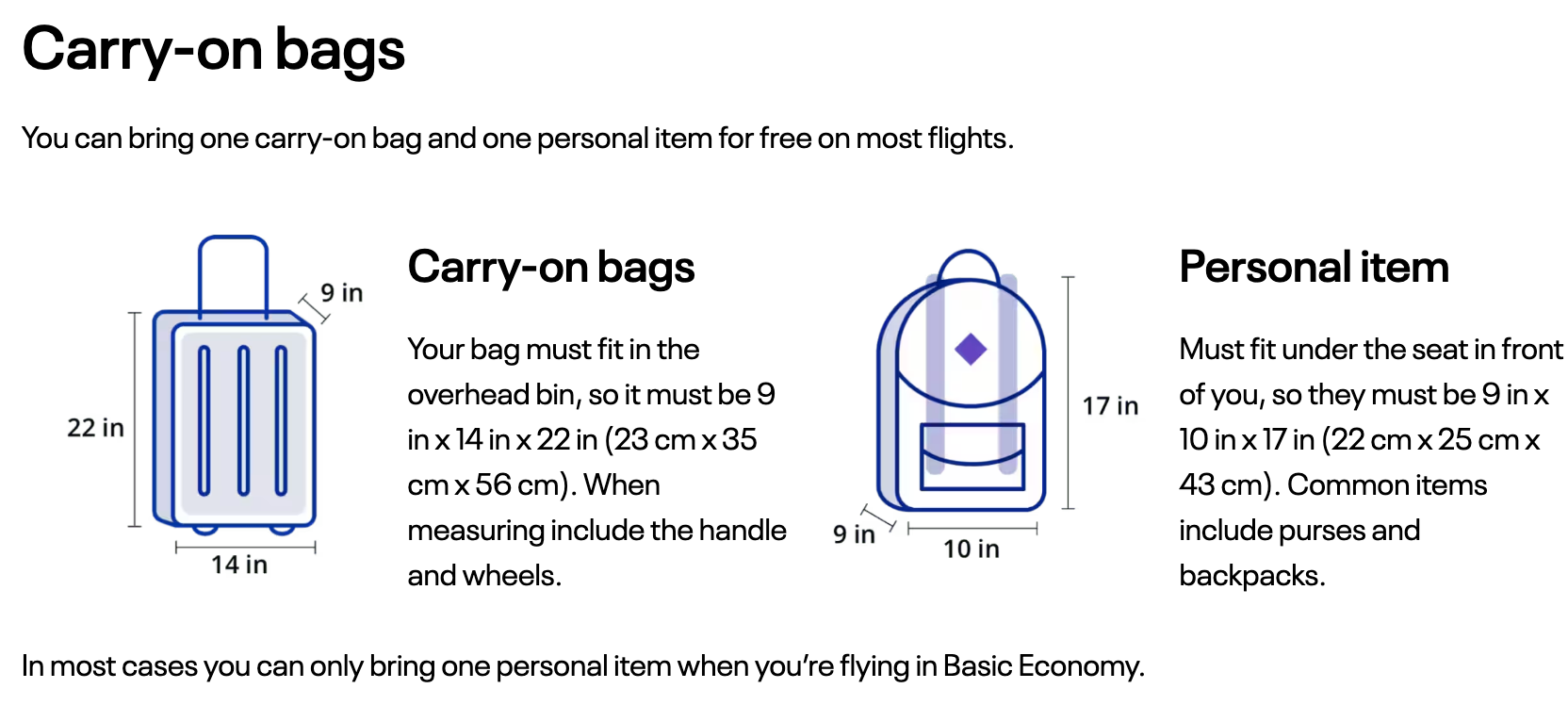
Airlines generally allow backpacks as carry on bags if they fit within the size limits set for carry on luggage. This means you can bring a backpack on the plane and store it in the overhead bin or under the seat in front of you, just like a small suitcase. The key is that your backpack must not be too big or too heavy for the airline’s rules.
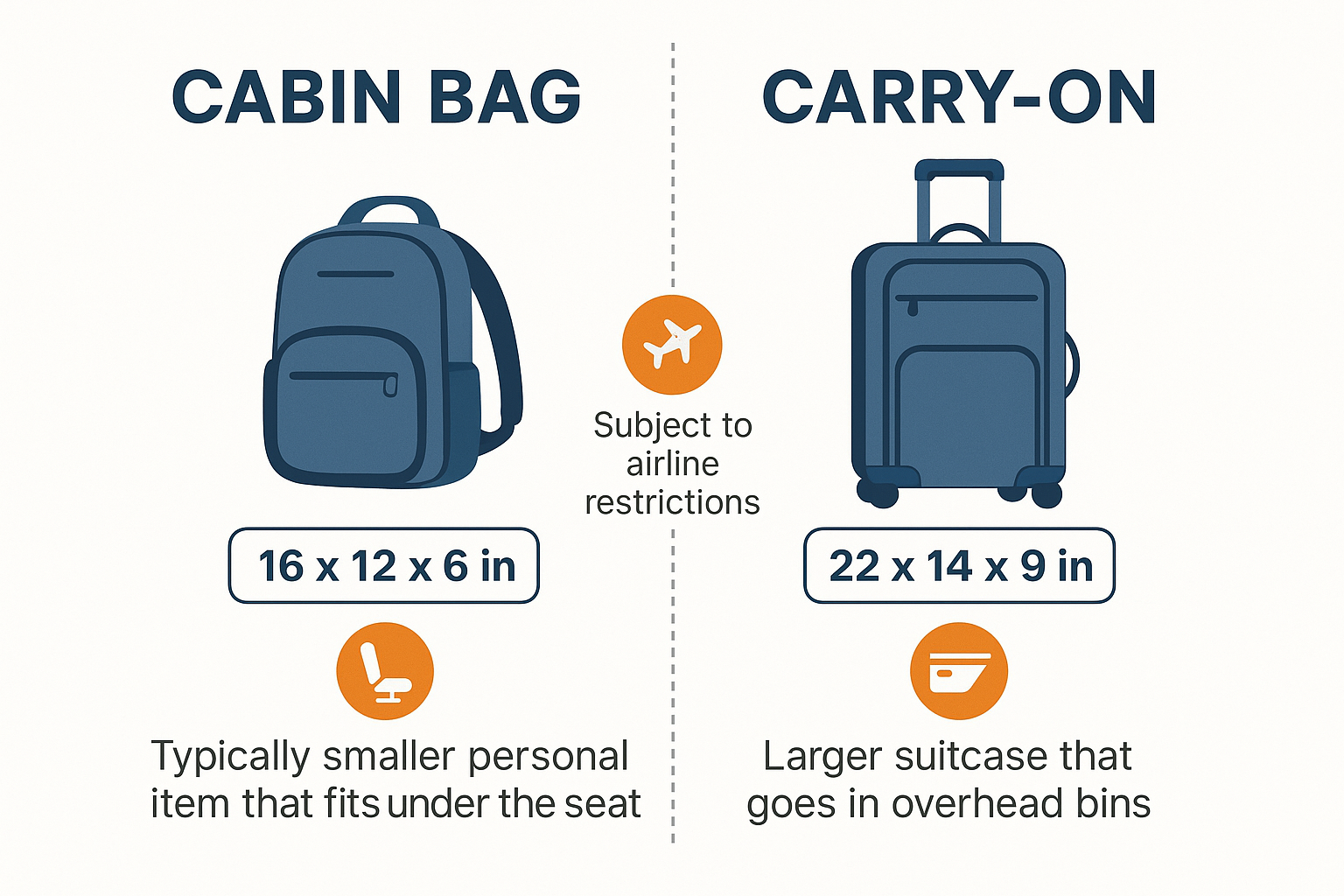
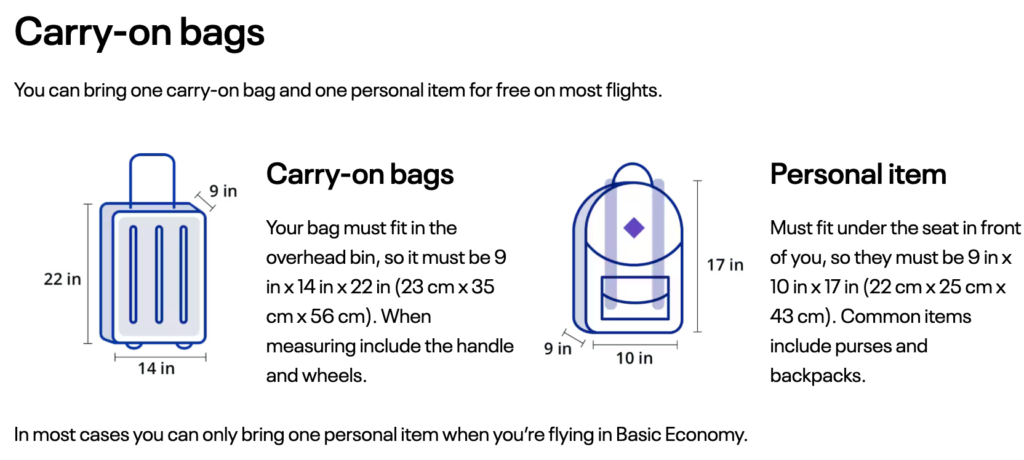
Most airlines set a maximum size for carry on bags. This is usually around 22 x 14 x 9 inches (56 x 36 x 23 cm), including handles and wheels. If your backpack is smaller than this, you are usually safe.
Some airlines are stricter, so it’s smart to check your airline’s website before you fly.
Wrangler 20 Hardside Spinner Carry On Luggage: Honest Review & Real-World Test
Why Backpacks Work Well As Carry Ons
Backpacks are popular as carry on bags because they are lightweight, easy to carry, and fit into tight spaces. Many travelers find backpacks more comfortable than rolling suitcases, especially when moving through busy airports or using public transport. Plus, backpacks often have many pockets, which makes it easy to organize your items.
Another advantage is flexibility. If you need to squeeze your bag into a small overhead bin or under the seat, a soft backpack is easier to adjust than a hard suitcase. This can make boarding and finding space much simpler.
Size And Weight Limits For Backpacks As Carry Ons
Not every backpack is accepted as a carry on. Airlines have strict size and weight rules for all carry on bags, including backpacks. If your backpack is too large or heavy, you may be asked to check it in, which can add cost and delay.
Here is a comparison of standard carry on size limits for several major airlines:
| Airline | Max Size (inches) | Max Weight (lbs) |
|---|---|---|
| Delta | 22 x 14 x 9 | No limit |
| United | 22 x 14 x 9 | No limit |
| American Airlines | 22 x 14 x 9 | No limit |
| British Airways | 22 x 18 x 10 | 51 lbs (23 kg) |
| Lufthansa | 21.6 x 15.7 x 9 | 17.6 lbs (8 kg) |
| Ryanair | 15.7 x 7.8 x 9.8 | 22 lbs (10 kg) |
As you can see, size and weight limits vary between airlines. Low-cost airlines like Ryanair often have smaller limits, while U.S. airlines tend to be more generous with sizes and may not check the weight. Always check your airline’s rules before packing.
Best Carry On Luggage For British Airways: Expert Review & Tested | Avoid $100 Fees
How To Measure Your Backpack
To avoid problems, measure your backpack when it’s fully packed. Use a tape measure and check the height, width, and depth, including any pockets or items sticking out. If you are close to the limit, consider removing some items or using compression straps to make your backpack smaller.
Personal Item Vs. Carry On: What’s The Difference?
Airlines often allow two bags in the cabin: one carry on bag and one personal item. Understanding the difference helps you pack better.
- Carry on bag: Larger, goes in the overhead bin. Can be a backpack, small suitcase, or duffel bag.
- Personal item: Smaller, must fit under the seat in front of you. Common choices are small backpacks, purses, laptop bags, or briefcases.
Many travelers use a backpack as their main carry on, while others use a smaller backpack as their personal item. If you want to bring two bags, make sure the larger one meets the carry on size, and the smaller one fits under the seat.
Can You Bring Two Backpacks?
You can usually bring two backpacks if one counts as your carry on and the other as your personal item. For example, you might have a large backpack for clothes and a small one for a laptop. However, both must fit within the allowed sizes.
If both are too big, you may have to check one.
Types Of Backpacks That Qualify As Carry On
Not all backpacks are the same. Some are designed for travel, while others are for hiking, school, or sports. Here are common types that work well as carry on bags:
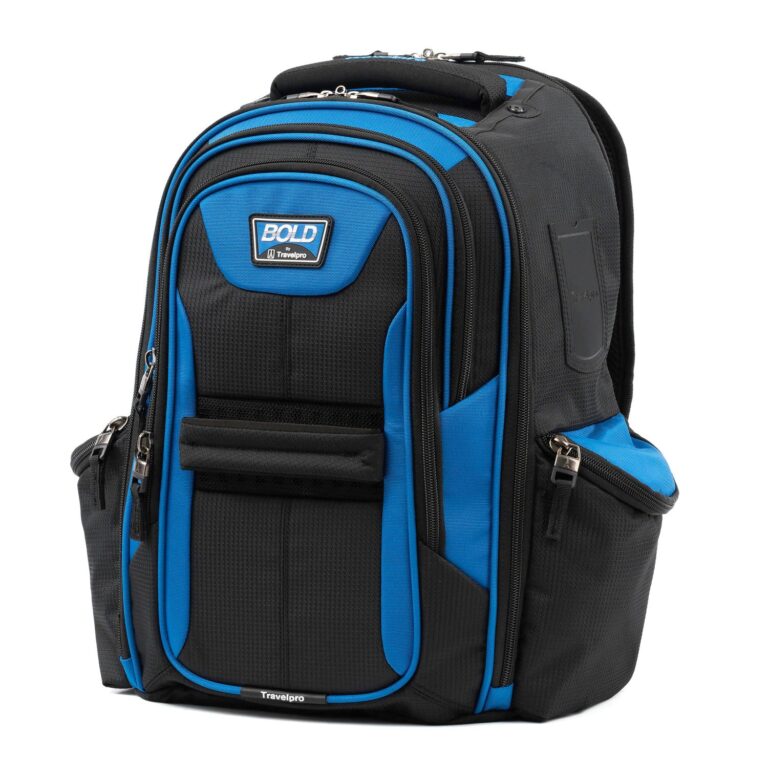
- Travel Backpacks: Made for flying, often with a rectangular shape and size labels.
- Laptop Backpacks: Good for business or short trips, fit most carry on rules.
- Daypacks: Small, lightweight, perfect as a personal item or for short trips.
- Hiking Backpacks: Only smaller versions may fit as carry on; big hiking packs are often too large.
- Convertible Backpacks: Some switch between backpack and duffel, offering flexibility.
When choosing a backpack for air travel, look for one labeled as “carry on size. ” Many brands now design backpacks to fit airline rules exactly.
Features To Look For
A good carry on backpack should have:
- Padded straps for comfort
- A laptop sleeve if you need to carry electronics
- Lockable zippers for security
- Multiple compartments for organization
- Durable material that can handle rough handling
Some backpacks also have a separate compartment for shoes or dirty clothes, which can keep your things cleaner during travel.
Packing Tips For Using A Backpack As A Carry On
Using a backpack as your carry on makes travel easier, but only if you pack smart. Here are some helpful tips:
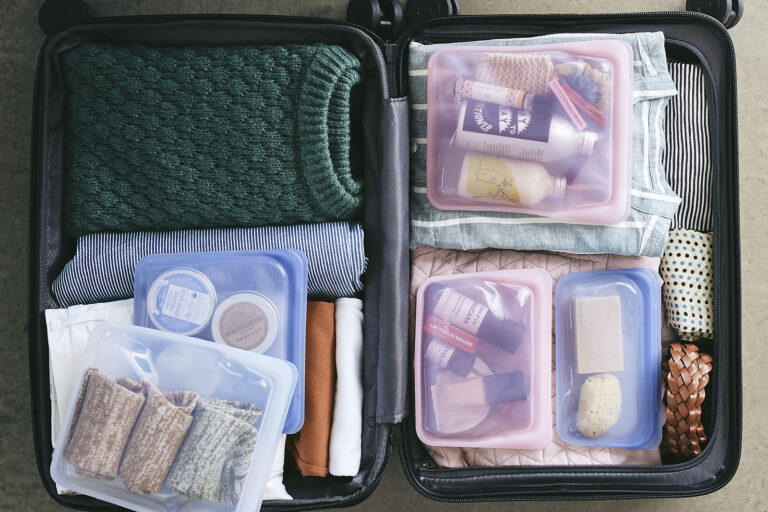
- Roll your clothes to save space and prevent wrinkles.
- Use packing cubes to organize items and compress your load.
- Keep liquids in a clear, zip-top bag and place it at the top for easy screening.
- Store important documents (passport, tickets) in a front or side pocket for quick access.
- Place heavy items at the bottom for better weight balance.
- Leave some space for items you may buy on your trip, so your bag doesn’t become too full.
Avoiding Common Mistakes
Many travelers overpack, making their backpack too large or heavy. Some forget about external pockets, which count towards the total size. Others pack liquids over the limit (usually 3.4 ounces or 100 ml), causing security delays. Always check TSA and airline rules before you pack.
Security And Screening Considerations
Backpacks go through the same security checks as other bags. To speed up the process:
- Place your laptop and liquids at the top for easy removal.
- Avoid packing sharp objects or items banned by the airline.
- Use a backpack with a laptop compartment that opens flat, if possible. This allows you to leave your laptop in the bag during screening at some airports.
Some airports have strict rules and may ask you to remove electronics, liquids, or food items. Following these tips helps you get through security faster and with less stress.
Overhead Bin Or Under The Seat: Where Does The Backpack Go?
Whether your backpack goes in the overhead bin or under the seat depends on its size. If your backpack is large, it must go in the overhead bin. If it’s small enough, you can store it under the seat in front of you.
Here’s a quick comparison:
| Location | Max Size (inches) | When to Use |
|---|---|---|
| Overhead Bin | 22 x 14 x 9 | Standard carry on size, larger backpacks |
| Under Seat | 16 x 12 x 6 | Personal items, small backpacks |
If space runs out in the overhead bins (common on full flights), flight attendants may ask you to check your backpack at the gate. Always keep valuables and important documents in a smaller bag you can keep with you.
International Vs. Domestic Flights: Key Differences
Airlines outside the U.S. often have stricter size and weight limits for carry on bags. For example, many European and Asian airlines allow smaller bags and may weigh your carry on at the gate. U.S. airlines are less strict about weight but still check size.
This means a backpack that works for a U. S. flight may not be accepted on an international trip. Always check the rules for every airline you fly. If connecting between airlines, use the smallest limit to avoid problems.
Example: U.s. Vs. Europe
| Region | Common Max Size (inches) | Common Max Weight (lbs) |
|---|---|---|
| U.S. | 22 x 14 x 9 | No limit or 35 lbs |
| Europe | 21.6 x 15.7 x 7.8 | 15-22 lbs |
If you fly from the U. S. to Europe, pack your backpack according to the smaller European size and weight to avoid extra fees or having to check your bag.
Credit: koora.com.au
Pros And Cons Of Using A Backpack As A Carry On
Choosing a backpack for your carry on has many benefits, but there are also some downsides. Here’s a breakdown:
Pros
- Hands-free travel: Easier to move through airports and public transportation.
- Flexible shape: Fits into tight spaces better than hard suitcases.
- Lightweight: Many backpacks weigh less than rolling bags.
- Better organization: Multiple pockets for small items.
- Comfort: Padded straps and back panels make carrying easier.
Cons
- Less protection: Soft sides can crush delicate items.
- Harder to access: Need to remove backpack to get things from the main compartment.
- Limited packing space: Usually holds less than a small suitcase.
- Not always professional: For business travelers, backpacks may look less formal.
If you value comfort and flexibility, a backpack is a great choice. If you need to carry fragile items or want a more formal look, a suitcase may be better.
Choosing The Right Backpack For Carry On Use
To choose the best backpack for flying, focus on size, comfort, and features. Here are some expert tips:
- Check size labels: Look for backpacks marked “carry on approved.”
- Try it on: Make sure it feels comfortable when loaded.
- Test compartments: Can you reach your laptop or documents quickly?
- Check zippers and straps: Are they strong and secure?
- Weigh the backpack empty: Some are heavy even before you pack.
For frequent travelers, consider backpacks from well-known travel brands. These often have better designs for fitting in overhead bins and handling airline rules.
Two Non-obvious Insights
- Compression straps on backpacks can reduce their size by several inches, making it easier to fit airline limits. Many travelers forget to use these or do not adjust their load after packing.
- Expandable backpacks can get you in trouble. While expandable features are helpful, make sure your bag is not expanded when measuring for carry on size. Airlines measure the largest dimension, even if you plan to compress it later.
What Happens If Your Backpack Is Too Big Or Heavy?
If your backpack is over the size or weight limit, the airline may ask you to check it in. This can mean extra fees and waiting at baggage claim. In rare cases, you might be forced to leave items behind if the bag cannot be checked at the last minute.
Some airlines are strict and measure every bag. Others only check if your bag looks large. If you are close to the limit, remove a few items or shift heavy items to your personal item.
Tips For Passing Airline Checks
- Pack light: Remove items you don’t need.
- Use side pockets wisely: Overfilled side pockets can make your backpack too wide.
- Arrive early: If you board early, you’ll have more space in the overhead bins.
- Be polite: If asked to check your bag, being calm and respectful can help.
When Not To Use A Backpack As A Carry On
There are times when a backpack is not the best choice:
- If you are carrying fragile or valuable items that need hard protection.
- For business trips where appearance matters—some companies prefer suitcases.
- On airlines with very strict size limits, where even small backpacks may not fit.
In these cases, a small suitcase or hard-shell bag may be better.
Real-world Examples And Statistics
A 2023 survey by the International Air Transport Association (IATA) found that about 38% of travelers use a backpack as their main carry on. Among younger travelers and students, this number is even higher. Airlines have noticed this trend and now design more overhead bins and under-seat space for flexible bags.
Some airports, especially in Europe and Asia, have started using size-checking boxes at boarding gates. Travelers with backpacks that do not fit these boxes are often asked to check their bags and pay extra. Being prepared and knowing your bag’s measurements is more important than ever.
Credit: www.witzman.com
Useful Resources
If you want more details on carry on rules, the Transportation Security Administration (TSA) website has up-to-date information on what you can bring in your bag. For airline-specific rules, visit your airline’s official website or check resources like IATA Cabin Baggage Guide.
Frequently Asked Questions
Can Any Backpack Be Used As A Carry On Bag?
No, only backpacks that fit within the airline’s size and weight limits can be used as carry on bags. Very large backpacks or those with rigid frames may not be accepted.
How Do I Know If My Backpack Is The Right Size For Carry On?
Measure your backpack’s height, width, and depth when fully packed. Compare these numbers to your airline’s carry on size rules, found on their website.
Can I Bring A Backpack And A Suitcase As Carry On?
Usually, you can bring one carry on bag (which could be a backpack or suitcase) and one personal item (like a small backpack or purse). Both must fit the airline’s size rules.
What Should I Do If My Backpack Is Too Big For The Overhead Bin?
If your backpack does not fit, you may have to check it at the gate. Always keep important items in a smaller personal bag you can keep with you on the plane.
Are There Any Items I Cannot Pack In A Carry On Backpack?
Yes, items like sharp objects, large liquids, and certain batteries are not allowed. Check the TSA or your airline’s website for a list of banned items.
Traveling with a backpack as your carry on is practical and popular, as long as you follow airline rules. By choosing the right backpack, packing smart, and knowing what to expect, you can enjoy a smoother and more comfortable journey.
Safe travels!
Credit: thepointsguy.com

Md Abdul Muhaimen is an experienced travel content writer and guide who has a Master’s in Information Systems Management from the University of Huddersfield. He is passionate about all things related to travel logistics and trip planning, and has assisted thousands of readers in choosing the proper luggage, knowing which items can be included in carry-on luggage, and understanding an airline’s policy with confidence.
Md Abdul has a sound grounding in systems thinking and data-driven content creation that allows him to bring clarity to complicated travel topics — from comparing the exact sizes of cabin bags from multiple airlines to developing helpful how-to guides to simplify a traveler’s experience.
He actually engages in travel forums on Quora, answers real user questions, and shares insights by posting on Medium blogs
.His work marries first-hand research, consumer-focused advice, and technical accuracy, and he is a voice that can be trusted among the travel and luggage community.