
 Posted by
 If you’re choosing between American Tourister vs Cabin Max, the main difference lies in durability, design, and travel style. American Tourister, a brand owned by Samsonite, is known for durable hard-shell suitcases, stylish designs, and long-term reliability. It’s ideal for frequent travelers who want sturdy luggage. On the other hand, Cabin Max focuses on lightweight, budget-friendly cabin bags designed to meet airline carry-on size limits, especially for low-cost airlines. These bags are popular for short trips and minimalist travel.
American Tourister vs Cabin Max: Which One Actually Survives Your Trip?
It’s 6:00 a.m. You’re standing in a cramped airport aisle, sweat beading on your forehead, wrestling a bag into the overhead bin while 40 impatient travelers stare daggers at your back. We have all been there. You just want to sit down, but your luggage is fighting you.
Whether you’re a budget traveler or a vacation planner, picking the right gear matters. Today, we are looking at American Tourister vs Cabin Max. These are the two biggest names in affordable carry-on luggage, but they serve very different masters. This isn’t just a spec-sheet comparison. I’ve lived out of these bags, and I know exactly what happens after the excitement of the purchase wears off. We’ll dive into durability, cabin baggage allowance, weight, wheels, and who actually wins for your next trip. Whether you need a rugged hard shell luggage piece or a lightweight cabin bag that respects airline size restrictions, let’s find your perfect budget travel gear.
What Are American Tourister and Cabin Max, Really?
American Tourister is a Samsonite-owned brand that has been making reliable hard-shell luggage since the 1930s—it is the brand your aunt swears by for a reason. Cabin Max is a UK-based disruptor that built its entire identity around one obsessive promise: fitting into the smallest airline overhead bins without triggering a fee. They have very different origins and even more distinct philosophies.
American Tourister — The Brand Behind the Bag
If you’ve walked through Orlando Airport in July, you’ve seen an American Tourister bag every three feet. As a subsidiary of Samsonite, they’ve mastered the art of mass-market appeal. Their goal is simple: durability and modern style at a price that doesn’t hurt. You will see them everywhere because they are dependable for your average leisure traveler. Popular lines like the Bon Air, Soundbox, and Wavebreaker are staples for a reason. They offer the kind of consistency that makes you feel like your gear can actually handle a busy vacation schedule.
Cabin Max — The Carry-On Obsessives
Cabin Max is a different beast entirely. Founded in the UK, they are laser-focused on airline-compliant sizing. Their philosophy is all about maximum packing volume within minimum dimensions. They are the favorite choice for Ryanair and EasyJet frequent flyers who treat packing like a game of Tetris. There is no better feeling than that “click” when your bag slides perfectly into the metal sizer gauge at the gate, allowing you to sail past the boarding desk with zero stress. If you use the Metz or the Anode series, you know exactly what I mean. They aren’t trying to be luxury; they are trying to be the most practical tool in your travel kit.
Size and Airline Compliance — The One Thing That Actually Matters at 7am
Cabin Max was basically engineered to win this category. Their bags are designed to the millimeter against the most restrictive airline size limits—such as the 40x20x25cm requirement for Ryanair. American Tourister bags are generally fine for most airlines, but they aren’t built with these brutal overhead bin policies in mind. If you fly budget airlines twice a month, that size difference is everything.
Understanding Airline Size Restrictions (And Why They’re a Trap)
It is easy to assume that “carry-on approved” means your bag will fit on any plane. Unfortunately, that is a dangerous trap. Major airlines have vastly different rules for what they consider a “personal item” versus a “cabin bag.”
- Ryanair/EasyJet: Very strict, often limited to small underseat bags.
- British Airways/Delta: Generally more generous with overhead bin allowance.
- Southwest: Famous for being more relaxed, but still have limits.
Always check your specific airline’s cabin baggage dimensions before you leave home. A bag that passes on a US domestic flight might cost you a $60 fee at a European budget gate.
American Tourister Dimensions — Model by Model
American Tourister bags are built for general travel rather than budget-airline compliance.
- Bon Air: A standard hard-shell choice, but it can be slightly too tall for strict budget sizers.
- Soundbox: This includes an expandable suitcase feature, which is great for extra souvenirs but risky. If you expand it, you will almost certainly exceed the airline overhead bin size limits on budget carriers.
My advice? If you choose American Tourister, stick to their dedicated cabin models and avoid the expansion zipper if you are flying a low-cost carrier.
Cabin Max Dimensions — Built for the Sizer Gauge
Cabin Max is the king of compliance. Their bags are explicitly built to hit those tight targets.
- Metz: The gold standard for ultra-restrictive airlines.
- Atlanta and Anode: Better if you need just a bit more room for a long weekend.
I once measured my own Cabin Max with a tape measure at midnight before a 6:00 a.m. flight. I was nervous, but it fit the 40x20x25cm sizer perfectly. Having that confidence is worth more than any fancy branding. If you want a stress-free trip, their compliance-first design is hard to beat for underseat luggage.
Cabin Max Metz vs Cabin Max Manhattan – Which Carry-On Is Best for Travel?
Build Quality and Durability — Will It Last Past the Third Trip?
American Tourister wins on build feel, no question. The hard-shell construction is thicker, the zips feel more substantial, and the overall impression is of a bag that will outlast a few rough baggage handlers. Cabin Max bags are lighter and more budget-focused—perfectly fine for frequent short hauls, but if you are checking this bag or throwing it around, the difference in quality really starts to show.
Hard Shell vs Soft Shell — What You’re Actually Getting
When you shop for hard shell luggage, you are usually choosing between ABS and polycarbonate. American Tourister often uses a mix that feels rigid and tough. Cabin Max tends to use lighter ABS-style materials or durable fabrics.
“Scratch resistant” is a term brands love, but let’s be real: your pristine hard shell will look brand new for exactly one airport visit. After the first baggage carousel, you get that first scuff and suddenly you stop caring. It’s a rite of passage for every traveler.
Zips, Locks, and Hinges — The Boring Stuff That Breaks
Zippers are the first thing to fail. American Tourister generally invests in thicker, snag-free zippers. Cabin Max zippers are functional, though I have noticed they can stick if you overpack.
If you travel internationally, look for a TSA approved lock. A built-in combination lock is convenient, but a TSA lock is vital if you ever end up checking your bag. Before you head to the register, always test the zip smoothness in-store. If it hangs on the hanger, it will definitely hang when you are rushing to make your gate.
Wheels — The Make-or-Break Feature Nobody Talks About Enough
Great spinner luggage wheels should glide like silk on airport tile. American Tourister’s multi-directional wheels are generally smooth and can handle a brisk walk to the gate. Cabin Max wheels are lighter-duty; they get the job done, but they have a distinct, clunky drag sound on rough pavement compared to the quiet roll of a higher-end spinner.
- Tip: If your wheels snap, check if the brand offers replacement parts. American Tourister has a wider network for repairs, which is something to consider if you want this bag to last five years rather than two.
Weight — Every Gram Is Political When You’re Watching the Scales
Cabin Max is almost always lighter. That is by design, as they use thinner materials and smaller frames. For anyone flying with a strict cabin baggage weight limit—looking at you, Ryanair’s 10kg rule—starting with a lighter bag means more room for actual gear. American Tourister bags are often 300g to 600g heavier. That sounds small, but it matters when you are repacking at the check-in desk.
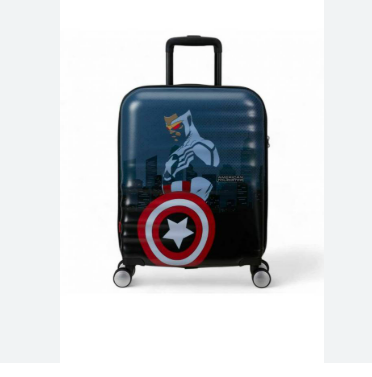
American Tourister Carry-On Weights by Model
American Tourister focuses on a sturdy feel, which adds weight. Models like the Bon Air typically weigh around 2.5kg. The Soundbox is slightly heavier, especially since the expandable suitcase mechanism adds extra grams of plastic and metal.
| Model | Approx. Weight | Best For |
| Bon Air | 2.5kg | Leisure travel |
| Soundbox | 2.6kg | Versatile packing |
| Wavebreaker | 2.6kg | Durability |
Cabin Max Carry-On Weights by Model
Cabin Max achieves a lightweight carry-on luggage profile by stripping away the heavy shells and complex hinges. Most of their bags, like the popular Metz, sit comfortably around 1.5kg to 1.8kg. Packing for a three-day work trip to Amsterdam with a strict 10kg limit is basically a sport, and that extra 1kg of “free” weight is a total game changer.
The Weight vs Durability Trade-Off — What You’re Giving Up
Lighter does not always mean better. It is a classic compromise.
- Prioritize weight if: You are a budget airline regular, a weekend tripper, or someone who hates paying extra fees.
- Prioritize durability if: You are a family traveler, you plan to check your bag often, or you tend to pack heavy items like shoes or tech gear.
If you are hunting for the best bag for Ryanair, the weight savings of Cabin Max are hard to ignore. However, if your trip involves long walks on cobblestone streets in Rome, you might prefer the solid, stable frame of an American Tourister, even if it hits the scale a bit harder.
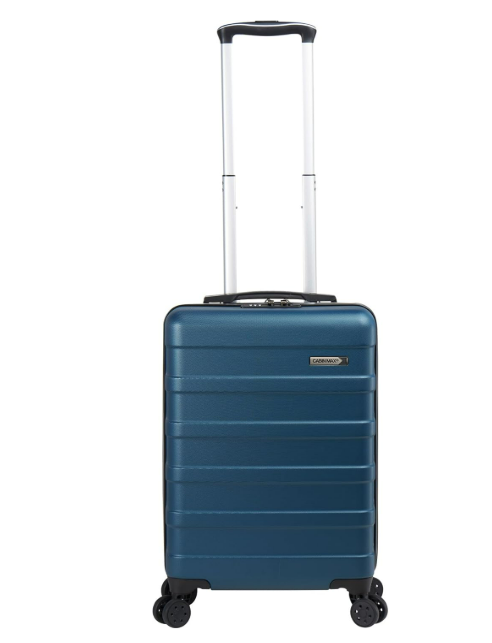
Packing Capacity — More Than Just Liters on a Spec Sheet
Both brands squeeze surprising capacity into carry-on dimensions, but they do it differently. American Tourister tends to offer more interior organization, such as dividers and mesh pockets. Cabin Max optimizes for raw volume, sometimes sacrificing internal structure to max out usable space. It depends entirely on whether you are a neat folder or a total chaos packer.
Interior Organization — What’s Actually Inside
I have learned that how you pack is just as important as the bag you buy. American Tourister usually gives you a split-case design with compression straps. This helps keep your clothes from shifting during a flight. Cabin Max models are often more like a big, open tub.
I’ll be honest: I need at least one mesh pocket or I will lose my charger within 20 minutes. That is just a fact of life for me. If you use packing cubes, the open-style Cabin Max design actually works great, as you can stack your cubes like bricks.
The Expandable Feature — Blessing or Baggage Fee Risk?
Some American Tourister models, like the Soundbox, feature an expandable zip. It is fantastic for road trips or train travel when size limits are flexible. However, you should never expand your bag before a Ryanair flight.
- When to expand: You are checking your bag, taking a long car trip, or traveling by train.
- When to stay compact: You are flying budget airlines and need to clear the metal sizer gauge at the gate.
Real-World Packing Test — 3 Days in a Cabin Bag
I recently compared packing for a three-day weekend in Paris. I put the exact same items in my American Tourister Bon Air and my Cabin Max Metz.
The Bon Air felt cleaner; my shirts stayed folded thanks to the internal dividers. The Metz, however, felt like a bottomless pit. I could fit an extra pair of bulky sneakers in the Metz that simply would not fit in the Bon Air.
There is always that specific anxiety of closing a fully packed carry-on and hoping it zips. With the Metz, I found I could force the zip just a tiny bit more. Just watch the weight—extra volume often leads to an extra-heavy bag!
Price and Value — What You’re Paying For
Cabin Max is almost always cheaper, sometimes dramatically so. American Tourister sits in the affordable-but-premium-feeling tier; you are paying for brand confidence and slightly better materials. For the occasional traveler, the American Tourister price tag is absolutely justifiable. For someone flying every other weekend, the price-per-use math for a Cabin Max bag starts looking very attractive.
American Tourister Pricing Overview
American Tourister models like the Bon Air or Soundbox usually range from £60 to £100 depending on sales. You can find them almost everywhere, including Amazon, department stores, and their official site. I’ve noticed that if you wait for major events like Black Friday or post-holiday sales, you can often snag these at a 20-30% discount. It is a solid investment if you want a reliable piece of affordable hard shell luggage.
Cabin Max Pricing Overview
Cabin Max keeps costs low by using a direct-to-consumer model. You are paying for the bag, not a massive marketing budget. Models like the Metz or Anode often fall in the £30 to £50 range. For the price of a fancy airport dinner, you are getting a specialized tool that helps you avoid those pesky baggage fees. It is hard to argue with that value when you are on a travel gear budget.
Total Cost of Ownership — Beyond the Sticker Price
When I calculate value, I look at how long the gear lasts.
- American Tourister: These bags often have a 3- to 5-year warranty. The robust shell and better wheels mean fewer replacement parts.
- Cabin Max: You might replace these every 2 years if you fly heavy routes, but they are so cheap that you can buy two for the price of one premium bag.
A bag that lasts five years at £70 is a better deal than a bag that lasts two years at £40. Unless, of course, you enjoy the thrill of shopping for new gear every other holiday. Which, honestly? Fair enough. Always check the luggage warranty before buying; knowing you can get a replacement wheel or handle can turn a “disposable” bag into a long-term travel companion.
Cabin Max Metz 30L Travel Bag 18x14x8 inch (2026) – Best Small Travel Bag for Weekend Trips
Who Should Buy American Tourister (And Who Shouldn’t)
American Tourister is the better pick if you travel a few times a year, want a bag that feels substantial, and fly mostly with full-service carriers. It is the dependable choice for those who want a suitcase that will last 5+ years without worry. Think of it like a Toyota Corolla: not glamorous, but reliable, sturdy, and always gets the job done.
American Tourister Is Ideal For:
- Leisure travelers and families: If you need a bag that handles the “toss and tumble” of family vacations.
- Occasional flyers: If you only travel a few times per year, you want something that still looks new when you pull it out of the closet.
- Full-service airline users: Since you aren’t fighting for every centimeter, you can enjoy the extra style and better wheels of these bags.
- Those who check bags: When you have to hand your bag over to ground staff, the thicker hard shell luggage construction provides peace of mind.
Best model picks: The Bon Air is my go-to for standard trips where I want a perfect balance of looks and strength.
When American Tourister Probably Isn’t the Right Call:
- Budget airline fanatics: If you fly Ryanair or EasyJet twice a month, the rigid dimensions may frustrate you.
- Ultra-light packers: If you are the type of person who weighs your bag to the exact gram, the heavier frame of an American Tourister might feel like “dead weight.”
- Budget-conscious travelers: If you are looking for the lowest entry price, this brand is a premium step up that might not fit a tight budget.
Who Should Buy Cabin Max (And Who Shouldn’t)
Cabin Max exists for one type of traveler: the person who flies budget carriers regularly and refuses to pay for checked bags. If that is you—and you know who you are, standing at the gate praying your bag passes the sizer—then this is the most practical purchase you can make. It is basically a specialized tool engineered to solve your exact boarding problem.
Cabin Max Is Ideal For:
- Budget airline regulars: If you live for weekend city breaks on airlines like Ryanair, this bag is your best friend.
- Minimalist travelers: These bags help you focus on packing only what you truly need.
- Weekend trippers: The lightweight cabin bag design makes it effortless to jump off a plane and head straight to a cafe in Barcelona.
Best model picks: The Metz is the ultimate choice for the strictest airlines. If you need just a tiny bit more flex, the Atlanta offers a bit more room to breathe.
When Cabin Max Probably Isn’t the Right Call:
- Long-haul travelers: If you are heading out for a fortnight in Thailand, you will likely want more robust, structured luggage.
- Heavy packers: If you struggle to leave your second pair of bulky boots behind, the lighter frame of a Cabin Max might feel flimsy or overstuffed.
- Legacy seekers: If you want a suitcase to last a decade and be passed down, these bags are built for high-frequency, short-term utility rather than long-term heirloom status.
For a quick Thursday-to-Sunday city break, it is perfect. But for a month-long trip? You will likely miss having a sturdier shell.
Head-to-Head Comparison Table
Sometimes you just need the numbers side by side without reading five paragraphs of fluff. Here is the straight comparison across the dimensions that actually matter when you are standing in a shop or scrolling at midnight, trying to make a final decision before your flight next week. Comparing American Tourister vs Cabin Max shows you exactly where each brand puts its focus.
American Tourister vs Cabin Max — Quick Comparison
| Feature | American Tourister | Cabin Max |
| Average Weight | 2.5kg – 2.8kg | 1.5kg – 1.9kg |
| Best Compliance | Major/Full-service Airlines | Budget/No-frills Airlines |
| Price Range | £60 – £100 | £30 – £50 |
| Organization | High (Dividers, Straps) | Minimalist (Open Volume) |
| Wheel Quality | Smooth, 360° Spinners | Basic, Lighter-duty |
| Durability | High (Robust Shell) | Moderate (Budget Build) |
| Best For | Families & Leisure | Frequent Budget Flyers |
Head-to-Head Comparison Table
Sometimes you just need the numbers side by side without reading five paragraphs of fluff. Here is the straight comparison across the dimensions that actually matter when you are standing in a shop or scrolling at midnight, trying to make a final decision before your flight next week. Comparing American Tourister vs Cabin Max shows you exactly where each brand puts its focus.
American Tourister vs Cabin Max — Quick Comparison
| Feature | American Tourister | Cabin Max |
| Average Weight | 2.5kg – 2.8kg | 1.5kg – 1.9kg |
| Best Compliance | Major/Full-service Airlines | Budget/No-frills Airlines |
| Price Range | £60 – £100 | £30 – £50 |
| Organization | High (Dividers, Straps) | Minimalist (Open Volume) |
| Wheel Quality | Smooth, 360° Spinners | Basic, Lighter-duty |
| Durability | High (Robust Shell) | Moderate (Budget Build) |
| Best For | Families & Leisure | Frequent Budget Flyers |
Frequently Asked Questions
Is Cabin Max better than American Tourister for Ryanair?
Yes, if you fly budget carriers, Cabin Max is the clear winner. Their bags are engineered to the millimeter to fit the strict 40x20x25cm dimensions required by Ryanair cabin baggage rules. An American Tourister bag might look nicer, but it often exceeds those tight limits, which could cost you a hefty gate fee.
Does American Tourister make a bag that fits Ryanair’s 40x20x25cm limit?
Generally, no. American Tourister designs for “standard” carry-on rules (usually 55x40x20cm). Their hard-shell models are not designed to squeeze into the tiny under-seat space required by low-cost airlines. You are better off sticking with a brand specifically built for those airline size restrictions.
Which is lighter — American Tourister or Cabin Max?
Cabin Max is consistently lighter. By using thinner materials and avoiding heavy, rigid internal frames, they save roughly 300g to 600g per bag. When you have a 10kg weight limit, that extra half-kilo is like getting a free outfit into your suitcase!
Is Cabin Max luggage good quality or will it fall apart?
It is “good enough” for its purpose. Cabin Max focuses on volume and compliance over heavy-duty construction. While it won’t survive ten years of brutal baggage handling, it is perfectly durable for weekend trips. If you want a bag that lasts a decade, look elsewhere; if you want a bag that saves you money on fees, this is it.
How long does an American Tourister bag last?
If you travel a few times a year, expect 5 to 7 years of solid service. Their materials are thicker and their wheels are built to withstand more miles on airport tile. For a hardside suitcase construction, they offer great long-term value.
Can I use a Cabin Max bag for longer holidays, not just weekends?
You can, but you will miss the organization of a premium bag. Without dividers or compression straps, your clothes might turn into a tangled mess by the time you reach your destination. I recommend using packing cubes if you plan to use a Cabin Max for a holiday longer than three days.
Which brand has the better warranty?
American Tourister generally offers a stronger, more reliable warranty program. Because they are part of the Samsonite family, they have a wider network for repairs and replacement parts. Cabin Max offers a standard warranty, but the lower price point often makes replacement easier than repair.
Are American Tourister bags worth the price?
If you value reliability and want a bag that feels premium, absolutely. You are paying for the peace of mind that your wheels won’t snap and your zipper will stay smooth. It is the better long-term investment if you fly enough to care about the “feel” of your travel gear.
CONCLUSION
Bring it back to the original tension — two very different bags solving two slightly different problems. American Tourister if you want the reassurance of a name, a bit more build quality, and a bag that travels with you for years. Cabin Max if you’re obsessed with avoiding fees, flying light, and fitting into the tightest overhead bins in Europe. Neither is wrong. End with a light, human note — like the fact that the best bag is genuinely the one that makes airport mornings slightly less stressful. No grand summary. Just a real closing thought.

Md Abdul Muhaimen is an experienced travel content writer and guide who has a Master’s in Information Systems Management from the University of Huddersfield. He is passionate about all things related to travel logistics and trip planning, and has assisted thousands of readers in choosing the proper luggage, knowing which items can be included in carry-on luggage, and understanding an airline’s policy with confidence.
Md Abdul has a sound grounding in systems thinking and data-driven content creation that allows him to bring clarity to complicated travel topics — from comparing the exact sizes of cabin bags from multiple airlines to developing helpful how-to guides to simplify a traveler’s experience.
He actually engages in travel forums on Quora, answers real user questions, and shares insights by posting on Medium blogs
.His work marries first-hand research, consumer-focused advice, and technical accuracy, and he is a voice that can be trusted among the travel and luggage community.