
 Posted by
 Are AAA Batteries Allowed In Carry On Luggage
If you are preparing for a flight and wondering about AAA batteries in your carry-on luggage, the answer is clear: Yes, AAA batteries are allowed in carry-on bags on almost all airlines worldwide. However, there are specific rules you should follow, depending on the battery type (alkaline, rechargeable, or lithium). Knowing these rules will help you avoid problems at security checks and ensure your devices stay powered during your journey.
Aaa Batteries In Carry-on: Allowed Types And Rules
Standard Alkaline Aaa Batteries
You can carry standard alkaline AAA batteries in your cabin bag without restrictions. These are the most common batteries used in remote controls, clocks, and small toys. Security staff see these as safe because they do not contain dangerous chemicals or large amounts of energy. You can leave them in your devices or bring spare batteries in the original packaging or a battery case.
Rechargeable Aaa Batteries (nimh And Nicd)
NiMH (Nickel-Metal Hydride) and NiCd (Nickel-Cadmium) AAA batteries are also allowed in carry-on bags. Most airlines and airport authorities treat them like alkaline batteries. It is a good practice to store them in a plastic case or their retail packaging to prevent accidental short-circuiting, which is when the battery terminals touch metal objects and create a spark.
Lithium Aaa Batteries
Lithium AAA batteries (lithium iron disulfide, not the larger lithium-ion types) are allowed in carry-on bags but not in checked baggage. These batteries have a higher energy density, so airlines are careful about how you pack them. The main rule: bring only batteries for personal use, and keep spares in their original packaging or a protective case. Do not let the terminals touch metal objects or each other.
Key Insight: Many travelers don’t realize that while alkaline and NiMH AAA batteries are allowed in both checked and carry-on bags, lithium AAA batteries are only allowed in carry-on. Placing lithium AAA batteries in checked baggage can result in confiscation.
Best Carry On Luggage For Delta Airlines Under $50 :Stop Paying Over $200
Why Airlines And Airports Allow Aaa Batteries In Carry-on
AAA batteries are considered low risk because they are small, contain limited energy, and are widely used in everyday devices. Airport security agencies, including the Transportation Security Administration (TSA) and the International Air Transport Association (IATA), have studied battery safety. They allow AAA batteries because:
- They do not overheat easily.
- Leakage risk is low if packed correctly.
- They power essential items like noise-canceling headphones or blood glucose meters.
It’s important to know that rules can change, especially after incidents related to batteries on planes. For up-to-date rules, check your airline’s website or the TSA guidelines before you fly.
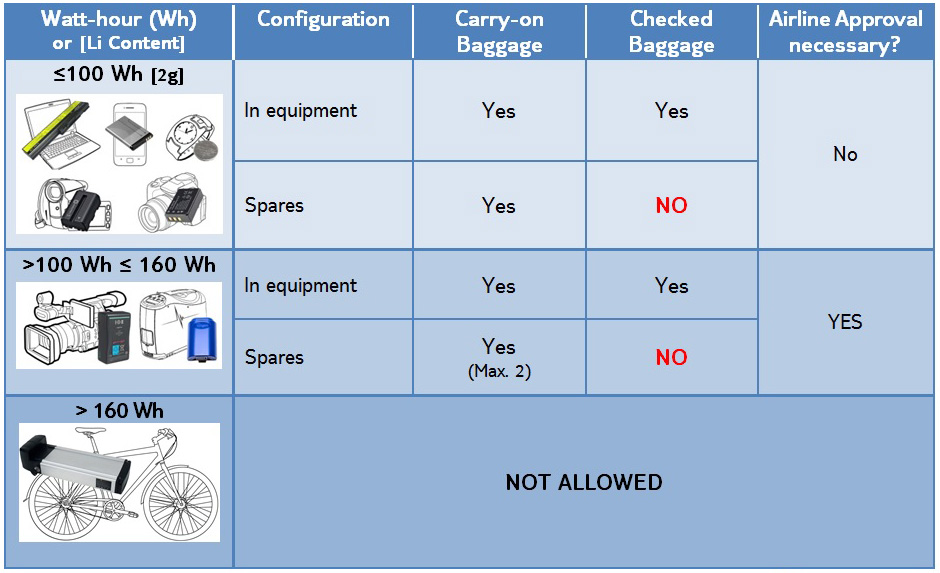
How To Pack Aaa Batteries For Air Travel
Packing batteries correctly helps you avoid delays and keeps you, your devices, and airline staff safe. Here’s how to pack AAA batteries for your carry-on:
- Leave batteries in devices if possible, especially for devices you will use during the flight.
- Pack spare batteries in their original retail packaging or a battery case. If you do not have the original packaging, cover battery terminals with tape or place each battery in a separate plastic bag.
- Avoid packing loose batteries in your bag, where they can roll around and touch coins, keys, or other metal items.
- Never pack damaged or leaking batteries. Dispose of these properly before your trip.
Non-obvious tip: Most people forget that battery-powered items with an “on” switch (like a flashlight) can turn on in your bag by accident. Remove one battery or use a travel lock to prevent this.
Limits On The Number Of Aaa Batteries
Airlines do not set a strict limit on the number of alkaline or rechargeable AAA batteries for personal use in carry-on bags. However, carrying large quantities (such as a full box for business purposes) may be questioned by security. For lithium AAA batteries, the limit is based on what is “reasonable for personal use,” usually up to a few packs or enough for your devices.
Practical advice: If you are carrying more than 10–12 spare AAA batteries, be prepared to explain why. Security staff may check your bag if they see a high number of batteries.
Comparison: Aaa Batteries Vs Other Common Batteries
To help you see where AAA batteries stand compared to other types, here is a simple comparison:
| Battery Type | Allowed in Carry-On | Allowed in Checked Bag | Special Instructions |
|---|---|---|---|
| AAA Alkaline | Yes | Yes | Keep terminals covered for spares |
| AAA NiMH/NiCd | Yes | Yes | Use plastic cases for spares |
| AAA Lithium | Yes | No | Must be in carry-on only |
| Lithium-ion (phone/laptop) | Yes | No | Limits on quantity and capacity |
Non-obvious insight: While both AAA and AA batteries are allowed, larger batteries (like power banks or camera batteries) have stricter rules and must never be checked in.
Security Screening And What To Expect
At airport security, your bag will pass through an X-ray machine. Security agents are trained to spot batteries. If you pack AAA batteries correctly, you should not have any problems. If you have a large number of loose batteries, expect your bag to be inspected. Agents might ask you to show how you packed them and explain their use.
Here are common scenarios:
- Batteries in original packaging: Usually pass without questions.
- Loose batteries: May trigger a bag check.
- Large quantities: Security may ask if you plan to sell or distribute them.
Tip: Keep your batteries together for easy inspection. If asked, explain that you need them for your camera, headphones, or other personal electronics.
Examples Of Devices Using Aaa Batteries
Travelers often bring devices powered by AAA batteries, such as:
- Wireless computer mice
- Portable radios
- Small flashlights
- Travel alarm clocks
- Handheld fans
- Blood glucose meters
If your device uses AAA batteries, leave the batteries in, unless the airline or security staff advise otherwise.
Rules For Aaa Batteries On Different Airlines
Most international and domestic airlines follow similar policies, but there can be small differences. Here’s a comparison of three major airlines:
| Airline | Alkaline AAA Allowed | Rechargeable AAA Allowed | Lithium AAA Allowed | Checked Bag Allowed |
|---|---|---|---|---|
| Delta | Yes | Yes | Yes (carry-on only) | Alkaline/Rechargeable only |
| Emirates | Yes | Yes | Yes (carry-on only) | Alkaline/Rechargeable only |
| Qantas | Yes | Yes | Yes (carry-on only) | Alkaline/Rechargeable only |
Advice: Always check your airline’s website before flying. Some countries have extra rules, especially for flights to or from the USA, Australia, or China.
Safety Tips For Traveling With Aaa Batteries
Following safety tips makes your trip smoother:
- Store spares in a hard case or original package.
- Do not let batteries get too hot or too cold.
- Never try to take damaged, swollen, or leaking batteries on a plane.
- Do not try to hide batteries from security. Declare them if asked.
Extra tip: Carry a small zippered pouch for all your batteries. This keeps them organized and easy to show at security.
What Happens If You Break The Rules?
If you pack batteries incorrectly, security may:
- Take your batteries away.
- Delay your trip for extra screening.
- In rare cases, deny boarding (for serious or repeated violations).
You will not be arrested for carrying a few extra AAA batteries, but repeat problems may get you flagged for more checks in the future.
Credit: www.reddit.com
When You Should Avoid Carrying Aaa Batteries
Some situations make it better to leave spare batteries at home:
- Traveling to countries with strict customs rules (check local embassy websites).
- Long layovers where you may need to go through security again.
- If you only need one set, buy spares at your destination.
How To Dispose Of Unwanted Batteries While Traveling
Do not throw used or unwanted batteries in hotel trash cans. Many airports have special battery recycling bins. Ask airport staff, or check information desks.
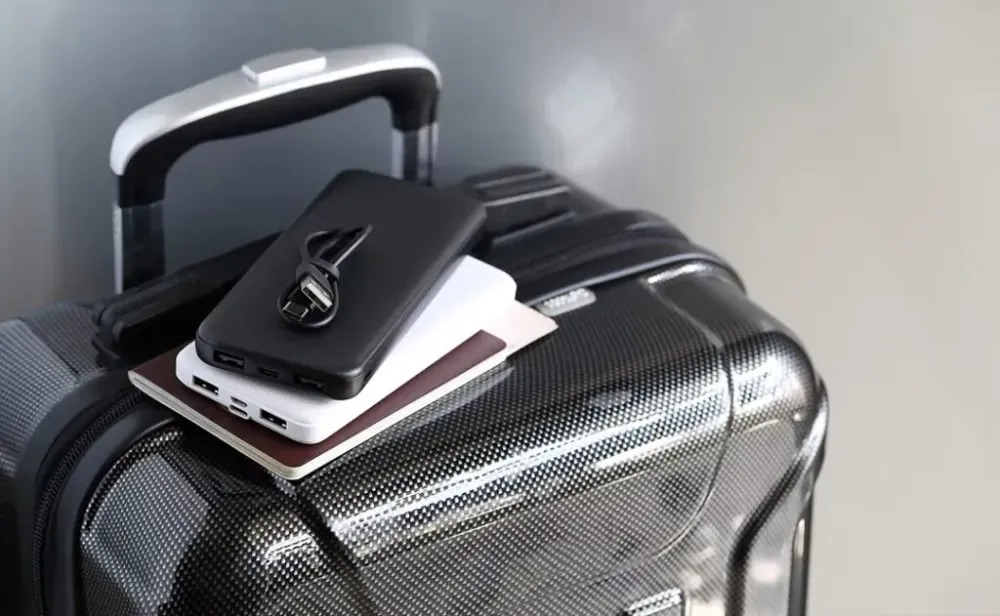
Credit: www.smartertravel.com
Useful Resources
For more detailed and up-to-date airline battery rules, visit the official TSA battery guidelines.
Frequently Asked Questions
Can I Bring Loose Aaa Batteries In My Carry-on Bag?
Yes, you can, but keep them in their original packaging or a battery case. Loose batteries rolling in your bag can be a safety risk.
Are There Limits On The Number Of Aaa Batteries I Can Bring?
There is no strict limit for personal use, but large quantities may be questioned by security. Bring only what you need for your trip.
Can I Put Aaa Batteries In Checked Luggage?
Alkaline and rechargeable AAA batteries are allowed in checked bags, but lithium AAA batteries are not. Always put lithium batteries in your carry-on.
What Happens If Security Finds Extra Aaa Batteries?
Security may ask why you have them. If they are for personal use, you should have no problems. Large numbers for business may be taken away.
Do Aaa Batteries Ever Explode On Planes?
It is very rare. AAA batteries, when packed and handled properly, are safe. Problems usually come from damaged, leaking, or short-circuited batteries.
Traveling with AAA batteries is simple if you follow these guidelines. Pack them safely, keep them organized, and check airline rules before you fly. This way, you avoid delays and keep your electronics running smoothly on your journey.

Md Abdul Muhaimen is an experienced travel content writer and guide who has a Master’s in Information Systems Management from the University of Huddersfield. He is passionate about all things related to travel logistics and trip planning, and has assisted thousands of readers in choosing the proper luggage, knowing which items can be included in carry-on luggage, and understanding an airline’s policy with confidence.
Md Abdul has a sound grounding in systems thinking and data-driven content creation that allows him to bring clarity to complicated travel topics — from comparing the exact sizes of cabin bags from multiple airlines to developing helpful how-to guides to simplify a traveler’s experience.
He actually engages in travel forums on Quora, answers real user questions, and shares insights by posting on Medium blogs
.His work marries first-hand research, consumer-focused advice, and technical accuracy, and he is a voice that can be trusted among the travel and luggage community.