
 Posted by
 A gig bag is a soft, padded case designed to carry and protect musical instruments, such as guitars, basses, keyboards, and more. Unlike a hard case, a gig bag is lightweight, portable, and often has shoulder straps and pockets for accessories. Musicians use gig bags for easy transport and basic protection during travel or daily use.
What Is A Gig Bag?
A gig bag is a soft carrying case with padding to protect musical instruments while offering easy transportation. It is mainly used by musicians who need a lightweight and convenient way to carry their instruments to rehearsals, gigs, or lessons.
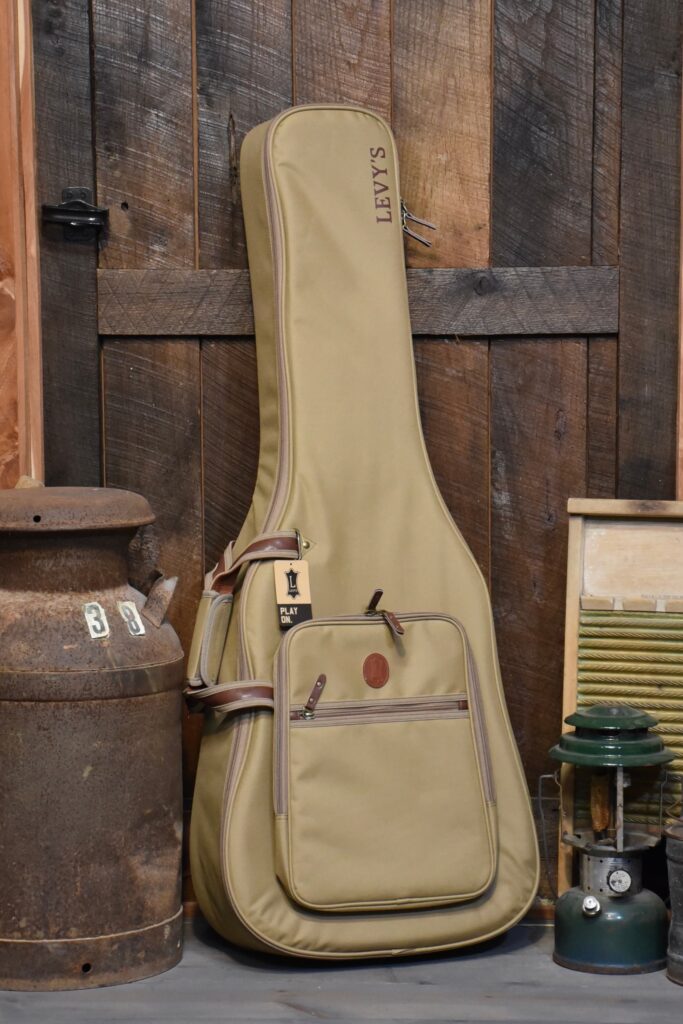
A gig bag typically features an outer fabric layer, interior padding, handles, shoulder straps, and several accessory pockets. They are made to fit specific types of instruments—guitars, basses, violins, keyboards, and even wind or brass instruments. While a gig bag offers protection against scratches and minor bumps, it does not provide the rigid safety of a hard case.
However, many players prefer gig bags for their lighter weight and extra storage options, especially for local travel or short commutes.
Gig bags come in different sizes, shapes, and levels of padding. Some offer thick foam layers, weather-resistant materials, and reinforced handles. Others are more basic, suitable for inexpensive or beginner instruments. Their versatility and ease of use have made them popular among both amateur and professional musicians.
6 Best Carry On Luggage For 1 Week Trip (Pack Smarter, Travel Lighter)
Key Features Of A Gig Bag
A gig bag’s main features are soft padded construction, portability, and storage for accessories. It is designed to make carrying and protecting instruments easier for musicians.
Most gig bags include a padded interior, usually made from foam, to absorb shocks and prevent damage. The outer material is commonly nylon, polyester, or canvas, chosen for strength and water resistance. Handles and backpack straps make carrying comfortable, while accessory pockets hold items like sheet music, tuners, cables, or picks.
Some advanced gig bags include features such as:
- Reinforced bottoms for extra protection
- Lockable zippers for security
- Weather-resistant zippers and materials
- Molded foam padding in critical areas (such as the neck or bridge)
The level of padding and material quality can vary widely between basic student gig bags and professional-grade models. A professional gig bag may offer as much as 30mm of foam, while entry-level bags might only have 5mm to 10mm.
Types Of Gig Bags
Gig bags come in various designs, each made to fit a specific instrument or user need. The most common types include:
- Guitar gig bags: These are made for electric, acoustic, or classical guitars. They are the most widely used gig bags, with shapes and sizes varying for different guitar body types.
- Bass gig bags: Similar to guitar bags but longer and wider to accommodate bass guitars.
- Keyboard gig bags: Designed for electronic keyboards, these are larger and often have wheels or reinforced handles.
- Violin, viola, and cello gig bags: Made to fit string instruments, sometimes with built-in compartments for bows and rosin.
- Brass and woodwind gig bags: Used for saxophones, trumpets, clarinets, and other wind instruments. These bags are often more compact.
- Multi-instrument gig bags: Some bags are designed to hold two guitars or a guitar and bass at once, with separate padded compartments.
Each type is made to match the dimensions and needs of the instrument. For example, a keyboard gig bag will focus on extra padding and large handles, while a ukulele gig bag will prioritize compactness.
Gig Bag Vs. Hard Case
A gig bag offers soft, lightweight protection, while a hard case provides rigid, heavy-duty safety for instruments. Both options have benefits and drawbacks, depending on your needs.
| Feature | Gig Bag | Hard Case |
|---|---|---|
| Protection Level | Moderate (soft padding) | High (rigid shell) |
| Weight | Light | Heavy |
| Portability | Easy (backpack straps, handles) | Less easy (usually hand-carry only) |
| Accessory Storage | Multiple pockets | Limited space |
| Cost | Lower | Higher |
A gig bag is ideal for short trips, commuting, or city travel where you want light weight and quick access. However, for air travel, shipping, or situations where the instrument may face rough handling, a hard case is safer. Some musicians keep both, using a gig bag for daily use and a hard case for longer journeys.
Two details often missed by beginners:
- Gig bags can fit into tighter spaces (like crowded cars or buses) compared to hard cases.
- Some airlines do not allow gig bags as checked luggage because they do not protect against stacking pressure.
Benefits Of Using A Gig Bag
A gig bag’s main benefit is convenience—easy to carry, lightweight, and practical for daily use. It also offers flexible storage and quick access to your instrument.
- Portability: Gig bags are much lighter than hard cases. Backpack straps free up your hands for other equipment.
- Storage: Most gig bags come with several pockets for cables, picks, tuners, sheet music, and even laptops or tablets.
- Comfort: Padded straps and ergonomic handles make carrying comfortable, especially for longer walks or commutes.
- Space-saving: Soft sides allow the bag to fit in tight spaces, from car trunks to public transport overhead racks.
- Affordability: Gig bags are usually less expensive than hard cases, making them a good option for students and hobbyists.
- Style: Many brands offer gig bags in different colors, patterns, and designs, letting you express your personality.
Another often-overlooked advantage is that gig bags usually attract less attention than hard cases. This can be a small security benefit in busy areas, as they may look like regular backpacks.
Limitations Of A Gig Bag
A gig bag does not give the same level of protection as a hard case. It is best for careful handling and low-risk environments.
- Limited impact protection: The soft padding can absorb small bumps but not strong impacts or falls.
- Less weatherproofing: While some gig bags offer water resistance, few are truly waterproof or airtight.
- Security concerns: Zippers can be broken or opened easily compared to hard case locks.
- Not suitable for air travel: Airlines may refuse to accept gig bags as checked luggage. If you travel by plane, a hard case is a safer choice.
- Risk of crushing: If heavy items are stacked on top of a gig bag, the instrument inside can be damaged.
Beginners sometimes assume any padding is enough. However, even a well-padded gig bag will not protect against dropping from height or being run over by heavy gear.

Common Materials Used In Gig Bags
Gig bags use strong and lightweight materials to balance protection and portability. The choice of materials affects weight, durability, and weather resistance.
- Nylon: Durable, water-resistant, and lightweight. Used in most mid-range and high-end gig bags.
- Polyester: Similar to nylon but can be less expensive. It resists stretching and fading.
- Canvas: Offers a classic look and is tough, but heavier than nylon or polyester. Some vintage-style gig bags use canvas.
- Leather: Rare in modern gig bags due to weight and cost, but still seen in some custom or high-end designs.
- Foam padding: Usually polyurethane or polyethylene foam, thickness ranges from 5mm to 30mm.
- Velvet or plush lining: Soft interior to prevent scratches on the instrument’s finish.
The combination of outer fabric and inner padding determines the level of protection. For example, a nylon gig bag with 20mm foam is safer than a polyester bag with just 5mm.
How To Choose The Right Gig Bag
Choose a gig bag by considering your instrument size, travel needs, and level of protection required. Measure your instrument and decide how much padding and storage you want.
- Instrument fit: Check the dimensions and shape to ensure a snug fit. Loose bags allow the instrument to move around and increase the risk of damage.
- Padding thickness: For daily local travel, 10–20mm padding is usually enough. For professional use or expensive instruments, look for 25–30mm padding.
- Material quality: Choose tough, water-resistant outer fabrics and soft inner linings.
- Straps and handles: Make sure the straps are strong, padded, and adjustable. Reinforced handles add comfort and durability.
- Accessory pockets: Think about what you need to carry—sheet music, pedals, tuners, or laptops—and look for enough storage.
- Weather resistance: If you travel in wet weather, pick a bag with weatherproof zippers and water-resistant fabric.
- Budget: Entry-level gig bags start around $20–$30, while high-end models can cost $100 or more. Price often reflects protection and build quality.
An often-missed point is to check the bag’s weight when empty. Some heavily padded gig bags can be surprisingly heavy, which matters if you walk long distances.
Popular Gig Bag Brands
Several brands are known for making high-quality gig bags. Each offers different features, styles, and price ranges.
- Mono: Known for professional-grade gig bags with thick padding, waterproof exteriors, and innovative designs. Popular among touring musicians.
- Gator: Offers a wide range from basic student bags to premium models. Good reputation for value and durability.
- Reunion Blues: One of the oldest gig bag makers. Their bags are famous for strong construction and luxury features.
- Fender: Makes gig bags for their own guitars and basses, with classic styling and moderate padding.
- Ibanez: Offers affordable gig bags for beginners, often included with new instruments.
- SKB: Well-known for hard cases, but also makes rugged gig bags with molded padding.
- RockBag: Designed for working musicians. Many models feature extra pockets and strong zippers.
- Gruv Gear: Modern designs and extra comfort features, such as thick shoulder pads and shock-absorbing materials.
- Protec: Makes gig bags for many instruments, including woodwinds and brass, with a focus on professional use.
Each brand targets a different market. For example, Mono and Reunion Blues are often chosen by professionals who tour regularly, while Ibanez and Fender are popular with students and hobbyists.
Care And Maintenance Of A Gig Bag
Taking care of your gig bag extends its lifespan and keeps your instrument safe. Regular cleaning and smart use are important.
- Keep it clean: Wipe down the exterior with a damp cloth. For tough stains, use mild soap and water. Avoid harsh chemicals.
- Dry it out: If the bag gets wet, let it air dry completely before storing your instrument inside.
- Check zippers and straps: Inspect for wear and tear. Broken zippers or straps can cause accidents.
- Store properly: When not in use, keep the gig bag in a cool, dry place away from direct sunlight or extreme temperatures.
- Avoid overloading: Don’t fill pockets with heavy or sharp objects, as they may damage the instrument or the bag.
A non-obvious tip: Regularly shake out the inside of the bag. Small debris, sand, or even picks can collect at the bottom and scratch your instrument over time.
How Gig Bags Have Evolved
Gig bags have changed a lot since the 1970s. Early designs were basic—just thin nylon sleeves with little padding. Over time, musicians demanded better protection and more storage.
Today’s gig bags often include:
- Multi-layer foam padding
- Reinforced panels in vulnerable areas (like headstock and bridge)
- Weatherproof zippers and materials
- Reflective strips for night visibility
- Modular designs for carrying two instruments at once
Many brands now use technology from hiking backpacks—like ergonomic straps, airflow padding, and weight distribution systems—to make carrying heavy instruments more comfortable. Some even add features like removable laptop sleeves, luggage tags, or lockable zippers.
The rise of gigging musicians, home recording, and music lessons outside the home has made the gig bag a must-have item for players of all ages and skill levels.
Who Should Use A Gig Bag?
A gig bag is suitable for musicians who need to carry their instrument frequently, especially in urban settings or for short trips.
- Students: Easy to carry to lessons and rehearsals
- Amateur musicians: Perfect for local gigs, band practice, or home use
- Professionals: Useful for daily commutes or as a backup to a hard case
- Travelers: Good for car or train travel, but not for checked airline luggage
However, if you own a very expensive or rare instrument, or travel often by air, a hard case is a safer investment. Some professionals use a hard case for storage and long trips, but a gig bag for everyday movement.

Gig Bag Size And Fit Guide
Getting the right fit is crucial for protection. Measure your instrument’s length, width, and depth, then compare with the bag’s specs. The instrument should fit snugly, with minimal movement inside.
| Instrument | Common Gig Bag Length | Recommended Padding |
|---|---|---|
| Electric guitar | 38–41 inches | 10–20mm |
| Acoustic guitar | 40–43 inches | 20–30mm |
| Bass guitar | 45–48 inches | 20–30mm |
| Keyboard | 36–61 inches | 10–25mm |
| Violin | 23–24 inches | 10–20mm |
| Trumpet | 21–22 inches | 10–15mm |
Most manufacturers provide fit guides on their websites. For unusual or custom instruments, look for adjustable or custom gig bags.
Cost Of Gig Bags
Gig bags come in a wide price range, depending on quality, padding, brand, and extra features.
- Budget (under $30): Thin padding, basic straps, simple pockets. Good for entry-level use.
- Mid-range ($30–$80): Thicker padding (10–20mm), stronger materials, ergonomic straps, multiple pockets.
- Premium ($80–$200+): Maximum padding (20–30mm), waterproof materials, reinforced panels, luxury linings, extra features like lockable zippers.
Spending more usually means better protection, comfort, and long-term durability. For a high-value instrument, investing in a premium gig bag is often a wise choice.
When Not To Use A Gig Bag
Avoid using a gig bag if your instrument will face rough handling, long-distance shipping, or severe weather. For example:
- Airline checked luggage: Risk of crushing or severe impacts
- Long-term storage: Hard cases protect better against moisture, pests, and temperature changes
- Outdoor gigs in wet weather: Even weather-resistant gig bags can leak in heavy rain
For these situations, a hard case or flight case is safer. Some musicians use both: a gig bag for local trips and a hard case for serious travel.
Frequently Asked Questions
What Is The Difference Between A Gig Bag And A Soft Case?
A gig bag is a type of soft case with padding and straps designed for portable use. Not all soft cases are gig bags—some lack enough padding or features for safe transport.
Can I Use A Gig Bag For Air Travel?
It is not recommended. Airlines may refuse gig bags as checked baggage, and they do not protect well against crushing or strong impacts. Use a hard case for flying.
How Much Padding Do I Need In A Gig Bag?
For daily local travel, 10–20mm of foam is usually enough. For valuable or fragile instruments, look for 25–30mm padding for better protection.
Are Gig Bags Waterproof?
Most are water-resistant, but very few are fully waterproof. For maximum rain protection, choose a bag with sealed zippers and waterproof fabric, but remember that extreme rain may still leak in.
What Should I Keep In My Gig Bag’s Pockets?
Common items include picks, strings, tuners, sheet music, cables, and a small cloth for cleaning. Avoid heavy or sharp objects, as they might damage the instrument or bag.
A gig bag is an essential tool for many musicians, offering an ideal mix of protection, portability, and convenience for day-to-day use. If you want to learn more about instrument care and gig bag technology, visit the Wikipedia gig bag page for deeper reading. Choosing the right gig bag can keep your instrument safe and make your musical life much easier.

Md Abdul Muhaimen is an experienced travel content writer and guide who has a Master’s in Information Systems Management from the University of Huddersfield. He is passionate about all things related to travel logistics and trip planning, and has assisted thousands of readers in choosing the proper luggage, knowing which items can be included in carry-on luggage, and understanding an airline’s policy with confidence.
Md Abdul has a sound grounding in systems thinking and data-driven content creation that allows him to bring clarity to complicated travel topics — from comparing the exact sizes of cabin bags from multiple airlines to developing helpful how-to guides to simplify a traveler’s experience.
He actually engages in travel forums on Quora, answers real user questions, and shares insights by posting on Medium blogs
.His work marries first-hand research, consumer-focused advice, and technical accuracy, and he is a voice that can be trusted among the travel and luggage community.