
 Posted by
 When deciding is it better to check-in online or at the airport, online check-in is usually the more convenient option. It allows you to select seats, confirm your flight details, and get your boarding pass before arriving, saving time at the airport. However, airport check-in may be necessary if you have special requests, need to check baggage, or require travel document verification.
Essentials for a Smoother Airport Experience
To make your airport journey as seamless as possible, here are some top-rated accessories from Amazon that frequent travelers swear by:
Accessory Why It’s a Game Changer Etekcity Digital Luggage Scale Weigh your bags at home to avoid “surprise” excess weight fees at the airport. EPICKA Universal Travel Adapter One adapter that covers almost every country; ensures your phone stays charged for your digital boarding pass. Apple AirTags Place one in your checked bag. If the airline loses it, you will know exactly where it is in real-time. Bagsmart Packing Cubes Keeps your clothes compressed and organized, making it much easier to reorganize your bag if you hit a weight limit at the airport.
For most travelers, it’s better to check in online than at the airport.
If you need a fast, low-stress start, checking in online saves time and keeps you in control. In this guide, I’ll compare check-in online or at the airport across real scenarios, rules, and edge cases. I’ll share what actually matters, what airlines don’t spell out, and what I’ve learned after many trips and a lot of trial and error.
:max_bytes(150000):strip_icc()/TAL-lead-image-WHENTOCHECKIN0525-ecceb22640e040debdb3ec424aec72d3.jpg)
What check-in actually does
Check-in links you to your flight in a final way. It confirms you will fly, assigns or confirms your seat, and issues a boarding pass. It also locks in baggage needs and formats your data for security and border checks.
For international trips, check-in may verify visas and passports. Many airlines run document checks at the counter, even if you checked in online. That is why check-in online or at the airport can lead to different steps at the terminal.
Cutoff times matter. Domestic flights often close bag drop 45 minutes before departure. International flights often close 60 minutes before. Some airports are stricter. Always confirm with your airline.
Online check-in: benefits, limits, and when it’s best
Online check-in is simple. You open the app or website, confirm your info, pick seats, and get a mobile boarding pass. For most trips, it is the fastest route to the gate.
Key benefits
- Skip the main counter line and head straight to security, or to bag drop if needed.
- Pick seats earlier, watch upgrade windows, and get alerts if the gate changes.
- Store passes in your phone wallet and share them with family.
- Fix small issues fast, like name formats or known traveler numbers.
- Rebook faster during delays or cancellations inside the app.
Limits to note
- Some airports or routes still require in-person document checks. That means you will visit a counter even if you checked in online.
- System hiccups happen at the 24-hour mark when many people try at once. Try again later or use the app instead of the website.
- If you have special cases (lap infant, pet in cabin, unaccompanied minor, paper visa), online check-in may be blocked.
When online check-in is best
- You have carry-on only, on a domestic or visa-free route.
- You travel during peak times and want to avoid long counter lines.
- You like seat control and real-time alerts.
A quick story from my own travel: on a Monday morning flight, I checked in online the second the window opened. I chose a better aisle seat, added my Known Traveler Number, and sailed through PreCheck. My coworker who waited to check in at the airport got stuck in a long line and barely made boarding. That one step saved me at least 25 minutes.
If you are asking whether to check-in online or at the airport for a simple trip, online almost always wins.
What Size Is a 7kg Cabin Bag? (2024) – Dimensions, Weight & Airline Rules
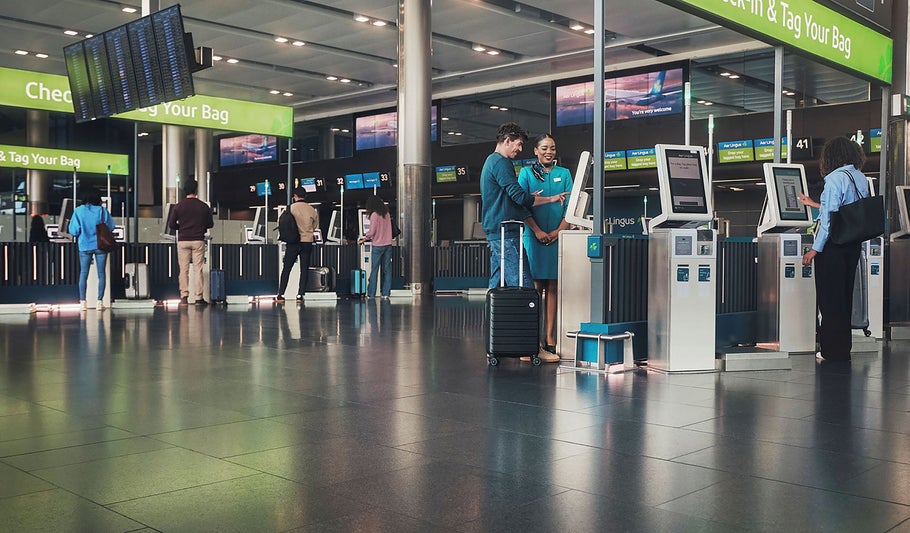
Airport check-in: benefits, limits, and when it’s best
Airport check-in still shines when your trip is complex or you need a human to solve a problem.
Where airport check-in is better
- You need document verification for visas, one-way international tickets, or unusual passports.
- You have special service needs: lap infant, wheelchair, paper vouchers, sports gear, musical instruments, firearms, or pets.
- You want a live agent to fix seats, baggage, or schedule issues in one go.
- Your online check-in failed or the app blocked you.
What to watch out for
- Lines can be long and unpredictable, especially before early morning waves and late-night international banks.
- Bag-drop and check-in cutoffs are strict. Miss them and you may miss your flight.
- Kiosks help, but they cannot solve every edge case.
When to choose the counter
- You are traveling with a group and need seats together.
- Your route includes a tight international connection or a visa-on-arrival.
- You are flagged for extra screening (often shown as SSSS on a boarding pass) and the app will not issue a pass.
I once carried oversize ski gear on a winter trip. I checked in online to claim seats, but the agent at the airport handled the bulky bag, collected the fee, and tagged it for special handling. In that case, the counter was the right move. If you wonder whether to check-in online or at the airport with special items, plan for the counter and extra time.
Airline and airport nuances that change the math
Not all airlines treat check-in the same way. A few rules can swing your choice.
What varies by carrier and airport
- Low-cost carriers sometimes require online check-in or charge a fee for airport check-in. Read your fare rules.
- Some airports do not accept mobile boarding passes at security. The app may force you to print or visit a counter.
- International routes often require Advanced Passenger Information. The app may collect it, but some stations still do in-person checks.
- Online check-in windows vary: 24 hours is common, but 36 or 48 hours exists on some carriers and routes.
- Bag-drop hours matter. You can check in online early, but you still must arrive before the baggage cutoff.
Tools that help
- Airline apps can rebook you fast during disruptions and show bag tracking.
- Trusted traveler programs like TSA PreCheck and Global Entry speed security, but they do not change bag-drop cutoffs.
- Curbside check-in can save time at busy airports when kiosks and counters are overwhelmed.
If you debate whether to check-in online or at the airport in places with strict rules, always check your airline’s local notes for that station.
Real-world scenarios and a simple decision guide
Use this quick path to pick the right method every time.
Step-by-step decision
- No checked bags and a domestic flight? Check in online and go straight to security.
- Checked bags but no special items? Check in online, then use bag drop.
- International flight with visas or complex documents? Check in online if allowed, but plan to see an agent.
- Traveling with infants, pets, instruments, or sports gear? Head to the counter early.
- Online check-in blocked or app error? Go to a kiosk or the full-service desk.
Common scenarios
- Business day trip with carry-on only: Check in online. Arrive 75–90 minutes before departure.
- Family of four to Europe with passports and a lap infant: Check in online to hold seats, then use the counter for docs. Arrive 3 hours early.
- Traveler with skis or a guitar: Check in online, go to oversize baggage. Arrive 2 hours early domestic, 3 hours international.
- Codeshare on two airlines: Check in online with the operating carrier. If it fails, use the airport desk for the first flight.
PAA-style quick answers
Is mobile boarding enough for security?
Usually yes. Some airports still require a printed pass, and the app will warn you.
Can I check bags if I checked in online?
Yes. Use the bag-drop lane or a kiosk to print tags and hand over the bag.
What if I need a visa check?
You may still need to visit the counter, even after online check-in. Agents verify documents before you go to security.
When you weigh check-in online or at the airport, match the method to the trip type. Simple trips go online. Complex trips go counter-first.

Pro tips to speed up both methods
Make either path smooth with a few small moves.
Online check-in tips
- Add your known traveler number and frequent flyer details before the window opens.
- Upload passport data in the app when offered, and use digital document checks.
- Screenshot your boarding pass and save it to your wallet in case of app or network issues.
- Prepay bags online to save time and sometimes money.
- Set alerts for gate changes and standby or upgrade movement.
At-airport tips
- Arrive early: 2 hours for most domestic flights, 3 hours for most international flights.
- Use curbside check-in if lines are long and you have simple bags.
- Try a kiosk first to print bag tags, then see an agent only if needed.
- Pack liquids right and keep IDs handy to glide through security.
- If lines look bad, ask a roving agent. They often redirect you to a faster lane.
These steps raise your odds no matter if you check-in online or at the airport. Small prep pays off in minutes saved.
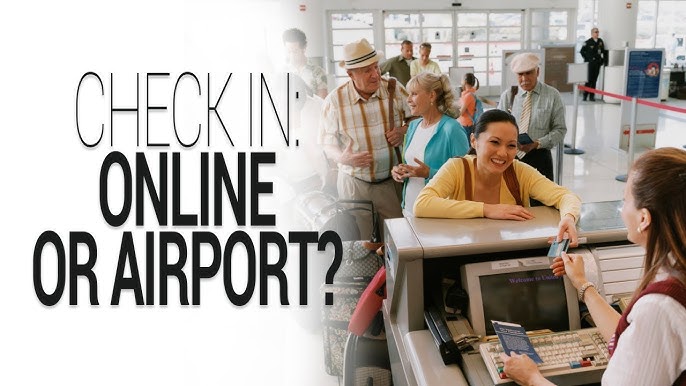
Frequently Asked Questions of Is it better to check-in online or at the airport?
Do I need to print my boarding pass if I check in online?
No, a mobile pass usually works. Some airports still require a paper pass, and the app will tell you.
When does online check-in open?
Most airlines open it 24 hours before departure. Some open at 36–48 hours, especially on long-haul routes.
What if online check-in fails?
Try the airline app, a different browser, or a kiosk at the airport. If it still fails, see an agent to resolve document or payment holds.
Can I choose my seat during online check-in?
Yes, if seats are available in your fare class. Some seats or upgrades may have extra fees.
Is it safe to use a mobile boarding pass?
Yes, but keep your phone charged and save a screenshot. If scanners struggle, ask to print a paper pass at a kiosk.
Do I still need to go to the counter if I checked in online and have a bag?
You will use bag drop or a kiosk to print tags. Plan to arrive before the bag-drop cutoff.
Is it better to check-in online or at the airport for an international flight?
Online is fine for speed, but you may still need document checks. Arrive early and follow the airline’s guidance for your route.
Conclusion
If your trip is simple, check in online and keep moving. If your trip is complex or needs special handling, use the counter and give yourself time. The best choice is not either-or; it is matching your plan to your route, your bags, and your documents.
Use this rule of thumb today: when in doubt about whether to check-in online or at the airport, start online to claim seats and alerts, then plan the counter only if your case needs it. Try these tips on your next trip, and share your experience or questions in the comments so others can learn too.

Md Abdul Muhaimen is an experienced travel content writer and guide who has a Master’s in Information Systems Management from the University of Huddersfield. He is passionate about all things related to travel logistics and trip planning, and has assisted thousands of readers in choosing the proper luggage, knowing which items can be included in carry-on luggage, and understanding an airline’s policy with confidence.
Md Abdul has a sound grounding in systems thinking and data-driven content creation that allows him to bring clarity to complicated travel topics — from comparing the exact sizes of cabin bags from multiple airlines to developing helpful how-to guides to simplify a traveler’s experience.
He actually engages in travel forums on Quora, answers real user questions, and shares insights by posting on Medium blogs
.His work marries first-hand research, consumer-focused advice, and technical accuracy, and he is a voice that can be trusted among the travel and luggage community.
One comment
Comments are closed.