
Gig Bag Vs Hard Case: Which Actually Protects Your Guitar Better
Choose a padded gig bag for daily carry; pick a hard case for maximum protection.
If you’ve ever weighed a gig bag vs hard case, you know the choice affects comfort, safety, and cost. I’ve hauled guitars through subways, loaded vans in the rain, and flown cross-country for tours. In this guide, I’ll break down gig bag vs hard case with clear facts, real stories, and pro tips so you can buy once and play with peace of mind.
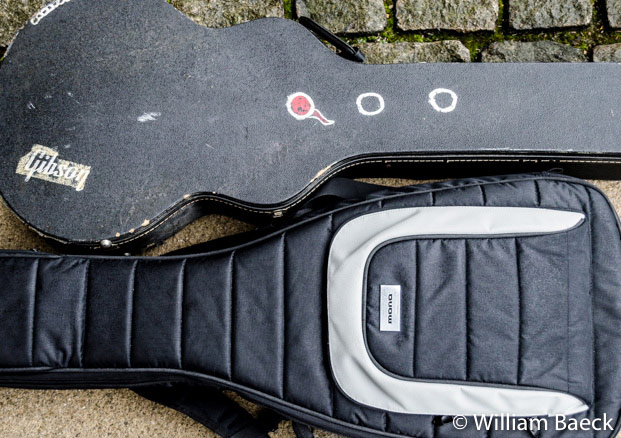
What is a gig bag?
A gig bag is a soft, padded case made of fabric like nylon or polyester. It protects your instrument from scratches and small bumps. Good gig bags have thick foam, neck support, and backpack straps.
They shine for daily carry, short trips, and tight spaces. Many also have roomy pockets for cables, tuners, and charts. Think fast, light, and easy for city life.
What is a hard case?
A hard case uses rigid shells like ABS plastic, polycarbonate, wood, or fiberglass. The shell spreads impact and keeps pressure off the instrument. Inside, dense foam and a fitted form cradle the body and neck.
Hard cases are best for long hauls, touring, and flight checks. They are heavier and bulkier, but they guard against drops, crush force, and wild weather swings.
Gig bag vs hard case: key differences that matter
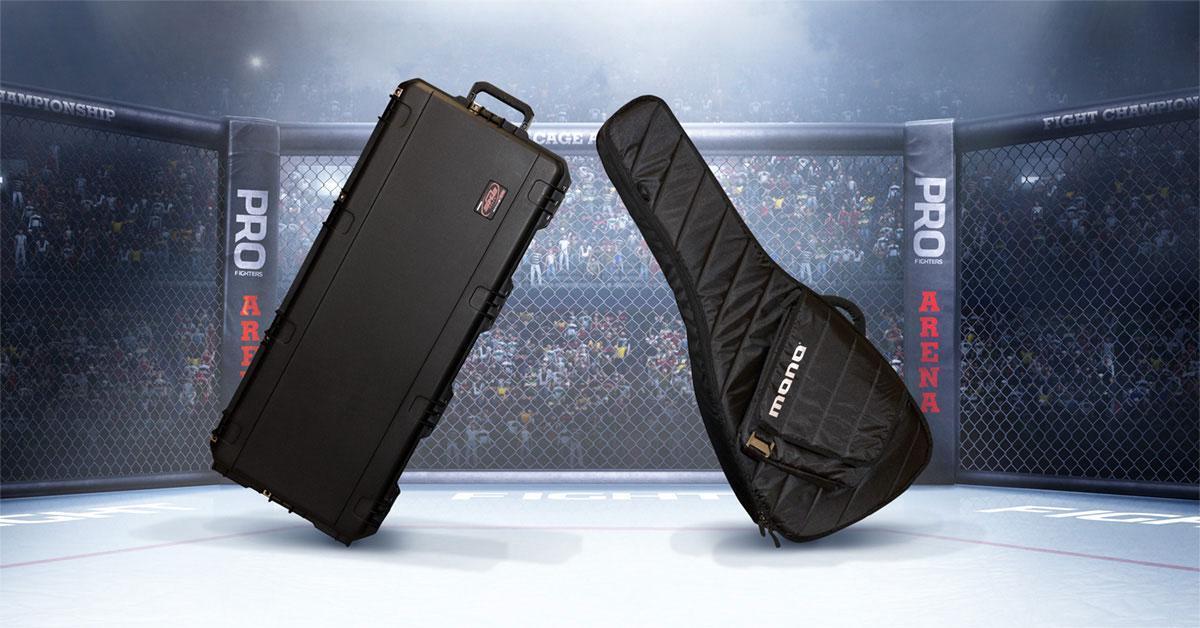
Choosing a gig bag vs hard case comes down to risk, distance, and comfort. The right fit depends on how and where you play.
Protection
- Gig bag: Great for light bumps and local moves. Thick padding helps. It will not stop crush force in a packed van or cargo hold.
- Hard case: Defends against drops, stacking, and rough handling. A rigid shell and tight fit cut down on shock.
Portability
- Gig bag: Lighter, slimmer, and easy on the back. Backpack straps free your hands.
- Hard case: Heavier and wide. A handle works fine for short walks but can tire you out.
Storage and space
- Gig bag: Slides into closets and car seats. Easier on small stages.
- Hard case: Takes more room. Stacks well in vans and studios.
Weather and climate
- Gig bag: Some water resistance. Sudden rain is okay if brief.
- Hard case: Better water and temperature buffer. Less risk during cold or hot moves.
Cost
- Gig bag: Cheaper for solid quality. Great value for students and city players.
- Hard case: Costs more, but reduces risk of big repair bills.
Customization and looks
- Gig bag: More style options and pockets.
- Hard case: Classic look. Often lockable. Accepted by stage crews and airlines.
The bottom line in gig bag vs hard case is risk tolerance. If you move a lot in crowded places, a bag saves your back. If you check gear or tour, the case pays for itself.

Pros and cons of gig bags
Pros
- Light and comfortable for daily carry
- Backpack straps and smart storage
- Lower cost with good protection for local use
- Easy to fit in cars, lockers, and tight practice rooms
Cons
- Limited crush and drop resistance
- Zippers can fail if cheap
- Less climate control over humidity and heat
Who should choose a gig bag
- City commuters and students
- Local gig players who carry their own gear
- Anyone who never checks instruments with airlines
Personal note: My padded bag saved my shoulders on a month of subway gigs. It let me carry a guitar, pedalboard, and coffee, all without stress.
Pros and cons of hard cases
Pros
- Strong protection from drops, stacking, and cargo handling
- Better weather and humidity buffer
- TSA-ready options for air travel
- Durable latches and hinges when well built
Cons
- Heavier and bulkier
- Higher cost
- Slower to pack on quick trips
Who should choose a hard case
- Touring pros and frequent flyers
- Anyone with rare or high-value instruments
- Players who ride in vans with lots of gear
Personal note: A hard case once saved my Tele when a speaker cab slipped in a van. The case had a dent. The guitar was perfect and in tune.

Real-world scenarios: when each one wins
Local gigs and rehearsals
- Winner: Gig bag. Light, fast, and fine for short drives or walks.
Daily commuting and public transit
- Winner: Gig bag. Backpack carry changes the game in trains and buses.
Weekend drives and regional shows
- Toss-up: High-end gig bag for careful packing. Hard case if the van is packed tight.
Studio sessions and backline swaps
- Winner: Hard case. Keeps setups safe during quick load-outs.
Air travel
- Winner: Hard case for checked baggage. Soft case only if you can carry on and gate check with care.
Outdoor shows and weather swings
- Winner: Hard case. Better shield against heat, cold, and rain.

Materials and construction: what to look for
Gig bag essentials
- Outer fabric: 1680D nylon or similar heavy fabric resists tears and rain.
- Padding: 20–30 mm foam or EVA for shock. Look for firm density.
- Support: Neck cradle, reinforced bottom, rubber feet.
- Hardware: Large zippers, bar-tacked straps, metal rings.
- Fit: Snug shape that stops the guitar from sliding.
Hard case essentials
- Shell: ABS, polycarbonate, fiberglass, or plywood. Thicker shells spread impact better.
- Interior: Form-fit foam, plush lining, neck block, and headstock clearance.
- Hardware: Metal latches, some TSA-friendly. Hinges that open fully without twist.
- Seal: Gasket or tight seam for water and dust.
- Weight: Lighter is nice but not at the cost of shell strength.
Pro tip: Shake test. Close the case, give a light shake, and listen. If the instrument shifts, add padded supports or choose a better fit.

Travel and airline tips
Carry-on strategy
- A compact gig bag can work as a carry-on if it fits overhead. Be early to board and ask kindly. Keep it sleek to avoid gate checks.
Checked baggage strategy
- Use a hard case with a rigid shell and TSA latches. Loosen strings a half turn. Support the headstock and stop all wiggle room. Add a luggage strap around the case.
Climate control
- Use a simple digital hygrometer inside the case. Add a humidity pack for acoustics, especially during winter heat or dry flights.
Insurance and labels
- Photograph your gear and serial numbers. Label the case with your name and phone. Insurance is cheap peace of mind.
Budget and value: where your money goes
Gig bag price ranges
- Entry: Basic padding and light zips. Fine for beginners.
- Mid-range: Thick padding, better straps, strong fabric. Best value for most.
- Premium: Semi-rigid foam, neck cradles, weather panels.
Hard case price ranges
- Entry: ABS shell, simple foam, basic latches. Good for careful handling.
- Mid-range: Thicker shells, better seals, TSA latches, stronger interiors.
- Premium: Fiberglass or flight-grade builds, custom fit, and lifetime hardware.
Value lens for gig bag vs hard case
- If repairs would cost more than the case upgrade, buy the better case. This simple rule has saved me from expensive neck resets and crack repairs.
How to choose: a quick decision framework
Ask yourself
- Do I fly or tour often? Choose a hard case.
- Do I walk, commute, or ride share daily? Choose a gig bag.
- Is my instrument rare or expensive? Choose a hard case.
- Do I need pockets and easy carry? Choose a gig bag.
- Will the case ride under other gear? Choose a hard case.
Fast picks
- Electric guitar for city gigs: Premium gig bag with 25–30 mm padding.
- Acoustic guitar for mixed use: Hard case, unless all local and careful.
- Bass guitar for van tours: Hard case. Long necks need extra support.
- Keys and controllers: Semi-rigid bag for local, flight case for touring.
Care, maintenance, and security tips
- Keep zippers clean and waxed. Dirt ruins sliders fast.
- Check latches and hinges twice a year. Tighten loose screws.
- Add a cable tie or reusable strap around a hard case for extra hold.
- Dry the case after rain. Store in a cool, stable room.
- Log serial numbers and photos. This speeds up claims if anything goes wrong.
Frequently Asked Questions of gig bag vs hard case
Is a gig bag safe for my acoustic guitar?
A high-quality gig bag can protect against light knocks and short trips. For long drives or flights, a hard case is much safer for acoustics.
Can I carry a guitar on a plane in a gig bag?
Often yes, if it fits in the overhead and there is space. Arrive early and ask politely to board sooner, or be ready to gate check as a backup.
Do hard cases prevent humidity problems?
They help slow changes but do not control humidity by themselves. Use a hygrometer and humidity packs inside the case.
How thick should gig bag padding be?
Aim for 20–30 mm with firm foam or EVA. Also look for a strong neck cradle and reinforced bottom.
Are fiberglass cases worth it?
For heavy touring or high-value instruments, yes. They offer strong impact resistance at a reasonable weight and last a long time.
What about semi-rigid cases?
They bridge gig bag vs hard case. They use stiff foam panels and give better protection than soft bags while staying lighter than hard shells.
Do I need a TSA lock?
If you check your instrument, TSA latches make inspections smoother. For carry-on, it is not required.
How many times should I use the phrase gig bag vs hard case?
Use it when it helps clarity. Do not stuff it. The goal is helpful, natural writing that answers your needs.
Conclusion
The choice between a gig bag vs hard case comes down to your life as a player. If you carry your own gear through busy streets, a padded gig bag keeps you fast and fresh. If you tour, fly, or guard a special instrument, a hard case is the safer bet.
Match the case to the trip, not just the guitar. Start with one great option for your main use, then add the other as your gigs grow. Ready to pick your side in the gig bag vs hard case debate? Share your setup, ask questions, or subscribe for more real-world gear guides.

Md Abdul Muhaimen is an experienced travel content writer and guide who has a Master’s in Information Systems Management from the University of Huddersfield. He is passionate about all things related to travel logistics and trip planning, and has assisted thousands of readers in choosing the proper luggage, knowing which items can be included in carry-on luggage, and understanding an airline’s policy with confidence.
Md Abdul has a sound grounding in systems thinking and data-driven content creation that allows him to bring clarity to complicated travel topics — from comparing the exact sizes of cabin bags from multiple airlines to developing helpful how-to guides to simplify a traveler’s experience.
He actually engages in travel forums on Quora, answers real user questions, and shares insights by posting on Medium blogs
.His work marries first-hand research, consumer-focused advice, and technical accuracy, and he is a voice that can be trusted among the travel and luggage community.