What Size Backpack for Carry On? Here’s the Safe Limit
Ever stood at the airport, feeling your heart race as the airline agent checks your carry-on? I’ve been there, sweating over every zipper and handle, hoping my backpack fits the rules. Picking the right carry-on backpack size isn’t just about following airline policies. It’s about traveling stress-free, moving with ease, and never paying surprise luggage fees.
But airline rules can be confusing. Some allow bigger bags; others are strict. And let’s be honest, those tiny tape measures at the check-in counter? Not fun. So, how do you choose the perfect backpack for carry-on? I’ve learned a lot from my own trips—good and bad.
Let’s break it down so you can pack smarter, avoid hassle, and travel light.
5 Best Carry On Luggage for Teens (Trendy, Lightweight & Travel‑Ready!)
What Size Backpack Is Allowed As Carry-on? (direct Answer)
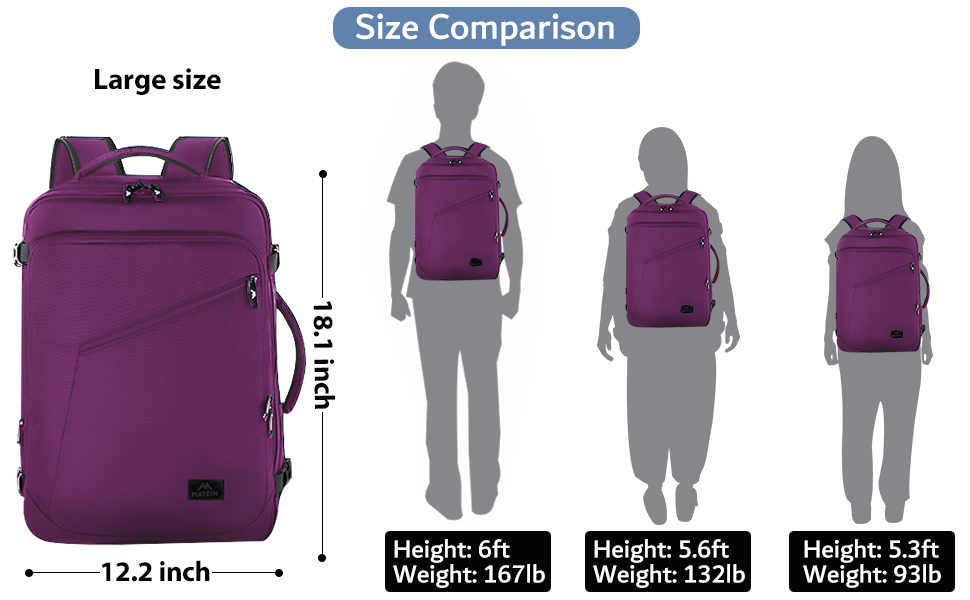
Airlines usually allow backpacks as carry-on if they are no larger than 22 x 14 x 9 inches (about 56 x 36 x 23 cm), including handles and wheels. That’s around 40–45 liters in volume. Some budget airlines have even smaller limits, so always check before you fly. If your backpack fits under the seat or in the overhead bin, you’re usually safe.
But here’s the thing: even when sizes are similar, each airline has its own rules. So, measure your bag fully packed—not empty!—and compare with your airline’s website. For most travelers, a 35–40 liter backpack is the safest bet for carry-on, fitting almost all airline rules and still holding what you need for a week.
Why Backpack Size Matters For Carry-on
Choosing the right backpack size for carry-on is about more than just following airline rules. The right size means you move faster, skip checked bag fees, and avoid lost luggage. You’ll breeze through security, and your bag will fit easily overhead or under the seat.
Oversized bags can lead to big problems. I’ve seen people forced to check bags at the gate, sometimes paying $50 or more. Worse, you might be separated from things you need mid-flight—like medicine, chargers, or a sweater. With the right-sized backpack, you stay in control and keep essentials close.
Typical Carry-on Size Limits: Airlines Compared
Airlines have different size rules, and it’s easy to get caught out. Here’s a quick look at some popular airlines and their carry-on backpack limits:
| Airline | Max Carry-On Size (inches) | Max Weight (lbs) | Notes |
|---|---|---|---|
| American Airlines | 22 x 14 x 9 | No Limit | Personal item must fit under seat |
| Delta | 22 x 14 x 9 | No Limit | Applies to all cabins |
| United | 22 x 14 x 9 | No Limit | Strict at gates |
| JetBlue | 22 x 14 x 9 | No Limit | No free carry-on for Blue Basic |
| Spirit | 18 x 14 x 8 | No Limit | Very strict, smaller size |
| Ryanair | 15.7 x 7.9 x 9.8 | 22 lbs | Europe budget airline |
As you can see, most U.S. airlines use 22 x 14 x 9 inches as their maximum. But budget airlines—especially in Europe—often have smaller limits for free carry-ons. If you switch airlines mid-trip, you need to plan for the smallest size.
How To Measure Your Backpack Correctly
It’s easy to make a mistake when measuring your backpack. To avoid surprises at the airport, follow these steps:
- Pack it as you would for travel. Bags expand when full.
- Measure the height, width, and depth at their largest points. Include handles, side pockets, and even wheels.
- Use a tape measure—not a ruler—for better accuracy.
- Double-check airline rules for both inches and centimeters.
A trick I’ve learned: airlines measure the bag, not the brand’s tag. So if the manufacturer says “40L” or “21 inches,” don’t trust it blindly. Always measure for yourself, fully packed, to be sure.
How Many Liters Should A Carry-on Backpack Be?
When it comes to carry-on backpacks, most travelers find that 35–40 liters is the magic number. It’s big enough for a week’s clothes and essentials, but small enough to fit most airline bins.
Here’s a handy guide:
| Backpack Volume (Liters) | Typical Use | Carry-On Friendly? |
|---|---|---|
| 20–25L | Day trips, under-seat bag | Always |
| 30–35L | Short trips, light packers | Usually |
| 36–40L | Weekend/week-long travel | Almost always |
| 41–45L | Max carry-on size | Usually, but check airline |
| 50L+ | Extended trips, checked bag | No |
Most major airlines accept up to 45 liters, but if you fly budget or international, stick to 35–40L to be safe.
Best Carry On Luggage for Seniors (Lightweight & Easy to Handle!)
Types Of Backpacks For Carry-on
You have choices. Not every backpack works well for carry-on, even if it fits the size. Here’s what to consider:
1. Travel Backpacks (35–45l)
These are built for air travel. They open like a suitcase, have padded laptop sleeves, and plenty of pockets. Think of brands like Osprey, Nomatic, or Tortuga. They’re easy to pack, and they look professional enough for business trips.
Strengths: Maximize packing space, organized, often water-resistant.
Weaknesses: Heavier than daypacks, sometimes pricey.
2. Daypacks (20–30l)
Great for short trips or minimalist travelers. They’re light, simple, and fit anywhere. I use mine for city breaks or as a personal item with a roller bag.
Strengths: Light, easy to carry, fits under the seat.
Weaknesses: Not enough space for longer trips.
3. Hiking Backpacks
Some hiking packs (35–40L) can work as carry-ons, but only if they’re not too tall or bulky. Look for simple designs without too many straps hanging off—these get caught in luggage bins.
Strengths: Comfortable for walking, good support.
Weaknesses: Might not fit airline bins, too sporty for business.
4. Convertible Duffel-backpacks
These switch between duffel and backpack. Handy if you need versatility, but check the size—some go over the limit when full.
Strengths: Flexible, good for active trips.
Weaknesses: Can get heavy and lose shape when packed.

Key Features To Look For In A Carry-on Backpack
Finding the right carry-on backpack size isn’t just about inches or liters. Features matter, too. Here’s what I always look for:
- Padded laptop sleeve: Airlines may ask you to remove laptops at security.
- Clamshell opening: Easier to pack and unpack like a suitcase.
- Compression straps: Help shrink your bag if you overpack.
- Water bottle pocket: Hydration is key, especially in airports.
- Lockable zippers: Useful for security, especially in busy airports.
- Hidden pockets: For passports, cash, or valuables.
- Comfortable straps and back padding: If you’ll carry it long distances.
A small insight: some bags “expand” with zippers, but if you use the full expansion, it might go over airline limits. Only expand if you’re checking the bag.
Real-world Examples: Which Backpacks Fit As Carry-on?
Let’s look at some popular backpacks and their sizes:
- Osprey Farpoint 40: 21 x 14 x 9 inches (40L) – Accepted by most airlines.
- Tortuga Setout: 22 x 14 x 9 inches (45L) – Fits U.S. standards.
- Aer Travel Pack 3: 21.5 x 13.5 x 8.5 inches (35L) – Works for almost every carrier.
- Nomatic Travel Pack: 19 x 13 x 7.5 inches (20–30L) – Great for minimalist travel.
- Patagonia Black Hole 32L: 22 x 10.5 x 6.5 inches (32L) – Fits under most seats.
I’ve used the Osprey Farpoint 40 on dozens of flights, both in the U. S. and Europe, and never had a problem. But with Ryanair, I had to pack lighter and use a smaller daypack—lesson learned!
Weight Limits: The Rule People Forget
It’s easy to focus on size and forget about weight. Many airlines, especially outside the U.S., set strict weight limits for carry-ons. For example, AirAsia and Ryanair often cap at 7 kg (about 15 lbs) for all carry-on bags.
If your backpack is within size but over weight, you might still have to check it. To avoid this, pack only essentials. Heavy shoes, books, or electronics add up fast. One hack: wear your heaviest clothes and carry chargers or books in your pockets if you’re close to the limit.
Here’s a quick comparison:
| Airline | Carry-On Weight Limit (kg) | Strictness |
|---|---|---|
| United States (most) | No official limit | Low |
| Europe (Ryanair, EasyJet) | 7–10 | High |
| Asia (AirAsia, Scoot) | 7 | Very High |
Always check your airline’s website. Some will weigh your bag at the gate, especially on busy or international routes.
Packing Tips For Maximum Space In A Carry-on Backpack
Over the years, I’ve learned some tricks to fit more into a small bag:
- Roll your clothes: Takes up less space and keeps things wrinkle-free.
- Use packing cubes: Organize and compress your clothes.
- Limit shoes to two pairs: Wear your heaviest, pack the lighter pair.
- Pack multi-use items: A jacket that works for rain and warmth.
- Fill every gap: Socks inside shoes, cables in side pockets.
- Keep liquids small and together: TSA rules allow only 3.4 oz (100ml) bottles in a clear bag.
A mistake I made early on was packing things “just in case. ” Now, I stick to the basics. If I really need something extra, I buy it at my destination.
Common Mistakes When Choosing A Carry-on Backpack
Many travelers mess up their carry-on bag in ways that seem small but cause big headaches. Here are the mistakes I see (and some I’ve made myself):
- Trusting the manufacturer’s size: Always measure your own bag, fully packed.
- Ignoring weight limits: Especially on budget and international airlines.
- Forgetting about “personal item” size: Some people try to count a huge backpack as a personal item—it rarely works.
- Overpacking: Airlines sometimes check bag size at the gate, especially on full flights.
- Choosing the wrong style: Hiking bags with lots of straps can get caught or flagged by airline staff.
The best way to avoid problems? Research, measure, and pack light. If you’re unsure, err on the side of a smaller backpack.
Can You Use A Backpack And A Personal Item?
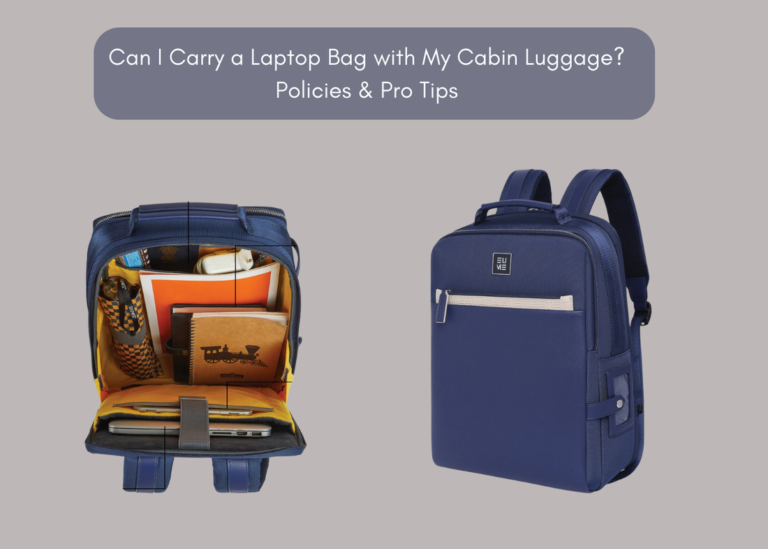
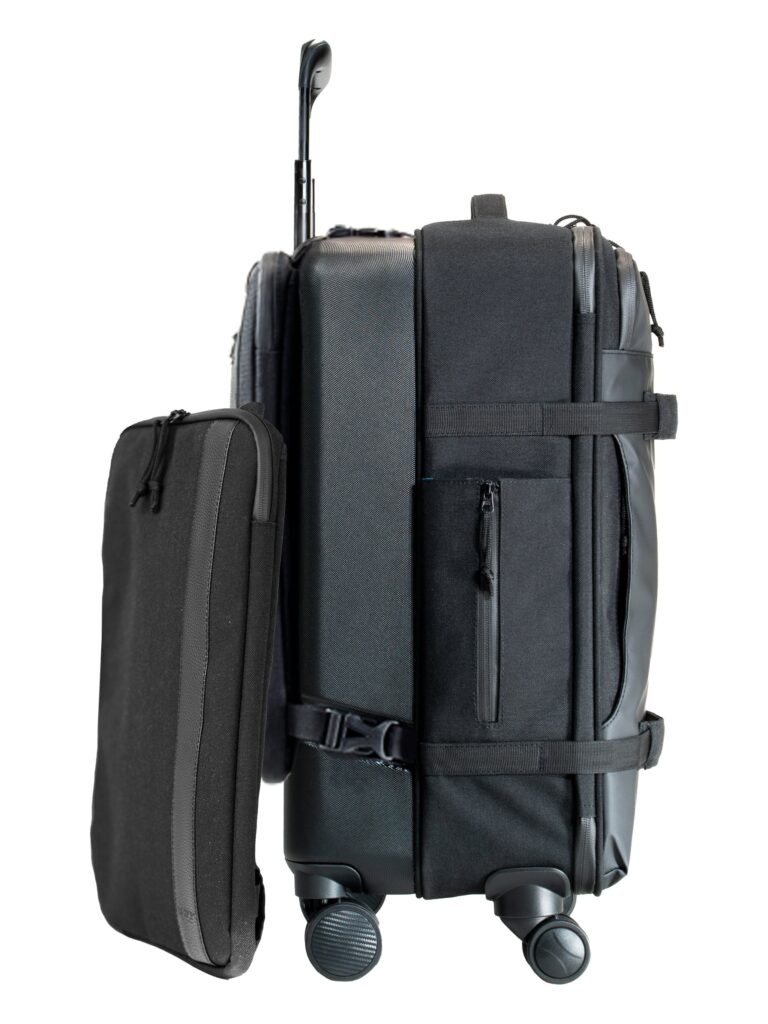
Most airlines allow one carry-on bag and one personal item—like a purse, laptop bag, or small backpack. But the personal item must fit under the seat in front of you.
If you want to use two bags, make sure:
- Your main backpack fits overhead.
- Your personal item is small (around 16 x 12 x 6 inches or 40 x 30 x 15 cm).
- You don’t overfill either bag; gate agents can be strict.
For long trips, I use a 35L backpack overhead and a slim laptop bag under the seat. It keeps essentials close and spreads out the weight.
Regional Differences: U.s. Vs. Europe Vs. Asia
Carry-on size rules change by region. In the U.S., airlines are more relaxed about both size and weight. In Europe and Asia, limits are strict, and budget airlines are especially tough.
For example, Ryanair allows only a small bag unless you pay extra. In Asia, 7 kg is a common weight cap, and they may weigh your bag at boarding. If you travel internationally, always plan for the smallest airline on your route.
When I traveled from New York to London to Bangkok, I had to downsize my bag mid-trip. What fit on Delta was too big for AirAsia—so I repacked before my connection.
Should You Ever Check A Backpack?
Sometimes, checking your backpack makes sense—like when you need gear for a long trip or carry sharp objects. But for most travelers, carry-on is safer, faster, and cheaper.
Reasons to check your backpack:
- You’re carrying liquids over 3.4 oz (100ml).
- Your bag is too heavy or large for carry-on.
- You want to travel with hiking gear, sports equipment, or gifts.
Just remember: checked bags can get lost or delayed. Always keep valuables, medicine, and a change of clothes in your carry-on.
How To Choose The Right Backpack For Your Trip
Picking the best carry-on backpack size depends on your trip, packing style, and airline. Here’s how I decide:
- Trip length: Weekend? Go with 20–30L. Week-long? 35–40L.
- Type of travel: Business? Use a sleeker backpack. Adventure? Go for comfort.
- Airline rules: Always check before booking.
- Personal comfort: Try the bag on, loaded, before your trip.
- Packing style: If you pack light, smaller is better. If you need options, go bigger—but stay within limits.
One tip: If you’re between sizes, go smaller. It’s easier to add a tote or small bag than to deal with a too-big backpack at the gate.
Two Non-obvious Insights Most Beginners Miss
- Bags “grow” when full: Many people measure their empty bag, but don’t realize how much it bulges when packed. Always measure when fully loaded.
- Handle and straps count: Airlines include handles, straps, and wheels in their measurements. If your backpack has a big grab handle or thick straps, add those to your measurements.
Missing these details can mean a last-minute gate check, or even fees.
Where To Find Official Carry-on Rules
Airlines change their rules often. Before every trip, check your airline’s official website. For a great general guide, check the Wikipedia page on hand luggage. But always double-check for updates.
Frequently Asked Questions

What Is The Standard Size For A Carry-on Backpack?
Most major airlines accept backpacks up to 22 x 14 x 9 inches (56 x 36 x 23 cm) as carry-ons. This is about 40–45 liters in volume. Always check your airline’s website for exact rules, as some budget airlines have smaller limits.
Can I Use A 45l Backpack As A Carry-on?
Usually, yes. Most 45L backpacks fit the size limits for carry-on, but you need to measure carefully—especially when full. If you fly with budget or international airlines, check their specific rules, as they may require smaller bags.
Do Airlines Measure Backpacks?
Yes, especially if your bag looks big or the flight is full. Gate agents may use a metal frame to check size. That’s why it’s safest to measure your own backpack fully packed before you travel.
What Happens If My Backpack Is Too Big For Carry-on?
If your backpack is too large, airlines may require you to check it at the gate. This can mean extra fees and the risk of losing your bag temporarily. To avoid this, always stick to the listed size and weight limits.
Is It Better To Travel With A Backpack Or Suitcase As Carry-on?
It depends on your style. Backpacks are easier to carry and move with, especially in crowded places or on public transport. Suitcases can be easier to pack and protect fragile items. For flexibility, many travelers (including me!) prefer backpacks for short trips.
Traveling with the right carry-on backpack size can make your journey smoother, less stressful, and even save you money. Take a few minutes to research, measure, and pack smart—your future self will thank you!

Md Abdul Muhaimen is an experienced travel content writer and guide who has a Master’s in Information Systems Management from the University of Huddersfield. He is passionate about all things related to travel logistics and trip planning, and has assisted thousands of readers in choosing the proper luggage, knowing which items can be included in carry-on luggage, and understanding an airline’s policy with confidence.
Md Abdul has a sound grounding in systems thinking and data-driven content creation that allows him to bring clarity to complicated travel topics — from comparing the exact sizes of cabin bags from multiple airlines to developing helpful how-to guides to simplify a traveler’s experience.
He actually engages in travel forums on Quora, answers real user questions, and shares insights by posting on Medium blogs
.His work marries first-hand research, consumer-focused advice, and technical accuracy, and he is a voice that can be trusted among the travel and luggage community.