
What Does 2 Cabin Bags Mean? 9 Facts Every Traveler Must Know
Overview:
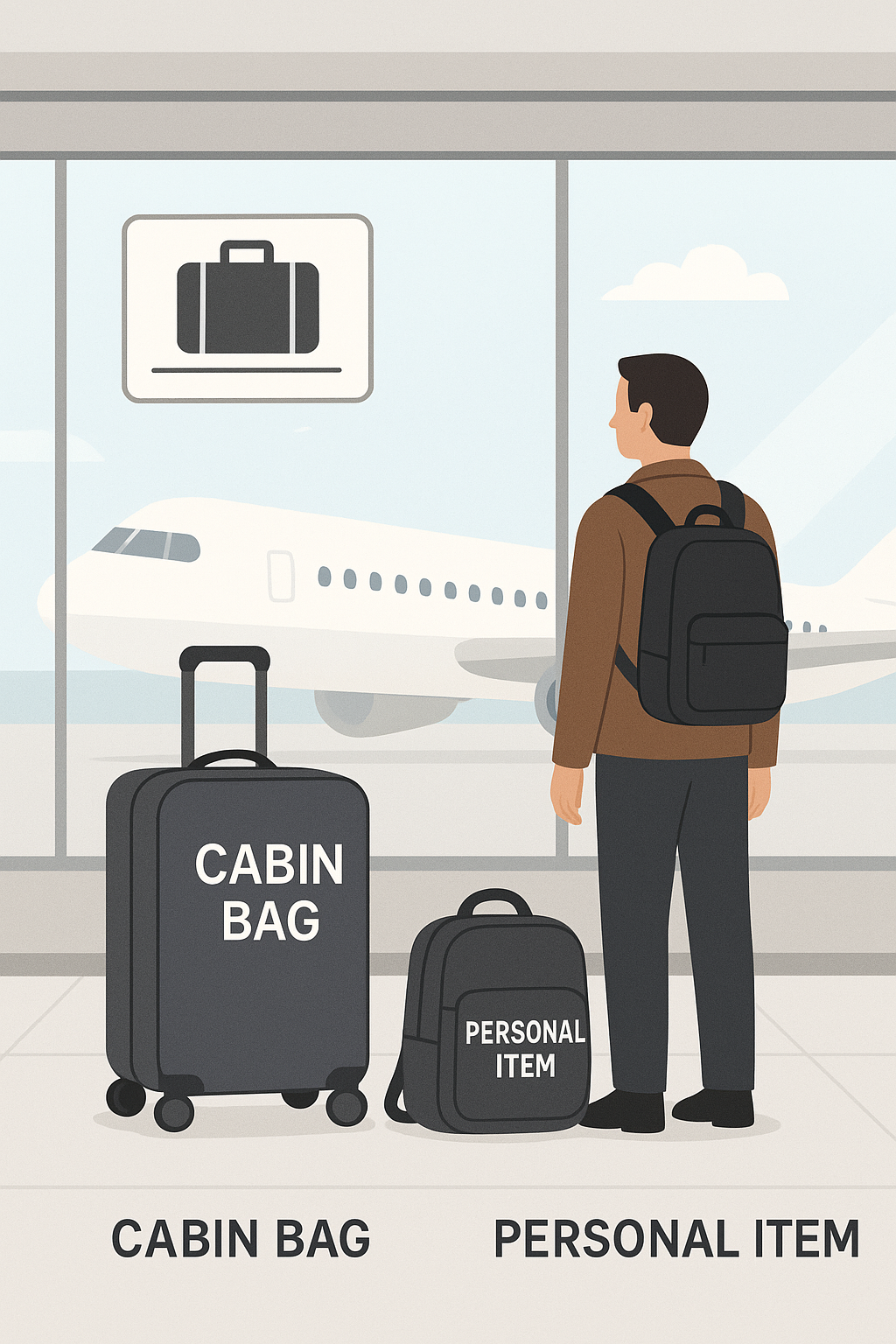
“What does 2 cabin bags mean” refers to airline baggage policies that allow passengers to bring two items into the aircraft cabin, typically one standard carry-on bag and one smaller personal item. The main cabin bag is stored in the overhead locker, while the personal item—such as a backpack, handbag, or laptop bag—must fit under the seat in front of you. Size, weight, and eligibility vary by airline, fare type, and route, especially on budget carriers. Understanding this distinction helps travelers avoid extra fees and ensure compliance with airline cabin baggage rules.
Cabin Max Metz 20L Review (2025): Lightweight Underseat Cabin Bag Tested
What Does 2 Cabin Bags Mean
What does 2 cabin bags mean on your flight ticket? It means you are allowed to carry two bags with you into the airplane cabin. Airlines set rules about how many bags you can bring and their size. Knowing this helps you pack correctly and avoid extra fees.
What Are Cabin Bags?
Cabin bags are bags you take inside the plane. They stay with you, not checked in. Usually, these bags fit under the seat or in the overhead locker.
- Size: Small to medium size, easy to carry.
- Purpose: Carry important things like documents, electronics, and valuables.
How Big Can 2 Cabin Bags Be?
Each airline sets size limits. Here is a typical example:
| Bag Type | Maximum Size (cm) | Maximum Weight (kg) |
|---|---|---|
| Main Cabin Bag | 55 x 40 x 20 | 7-10 |
| Personal Item | 40 x 30 x 15 | 3-5 |
Note: Always check your airline’s rules to avoid surprises.
What Items Count As Cabin Bags?
Two cabin bags usually mean:
- A larger bag like a backpack or small suitcase.
- A smaller item such as a handbag, laptop bag, or camera case.
Both must fit within size and weight limits. This keeps the cabin safe and comfortable.
Why Do Airlines Allow 2 Cabin Bags?
Airlines allow two cabin bags to:
- Give passengers space for essentials and valuables.
- Make boarding faster by reducing checked baggage.
- Keep carry-on luggage organized inside the cabin.
Cabin Bag Basics
Understanding the term “2 cabin bags” is essential for travelers. It refers to the allowance of bringing two carry-on items onto the plane. These items fit in the cabin, not the checked luggage. Knowing the basics helps avoid extra fees or problems at the airport. Cabin bag basics include size, weight, and airline rules. Each airline may have different limits and policies. This section explains those rules clearly.
Size And Weight Limits
Every airline sets rules on how big and heavy cabin bags can be. These limits keep the cabin safe and comfortable. Usually, one bag is a small suitcase or backpack, and the other is a personal item like a handbag or laptop bag.
Common size limits for the main cabin bag:
- Height: 40-56 cm (16-22 inches)
- Width: 20-36 cm (8-14 inches)
- Depth: 20-25 cm (8-10 inches)
Personal items are smaller and can fit under the seat:
- Usually no bigger than 40 cm x 30 cm x 15 cm
- Examples: purse, laptop bag, or small backpack
Weight limits vary but often fall between 7 kg and 10 kg (15-22 lbs) total for both bags. Some airlines set separate weight limits for each bag.
| Bag Type | Typical Size Limit | Typical Weight Limit |
|---|---|---|
| Main Cabin Bag | 55 x 40 x 20 cm (22 x 16 x 8 inches) | 7-10 kg (15-22 lbs) |
| Personal Item | 40 x 30 x 15 cm (16 x 12 x 6 inches) | Usually included in total weight |
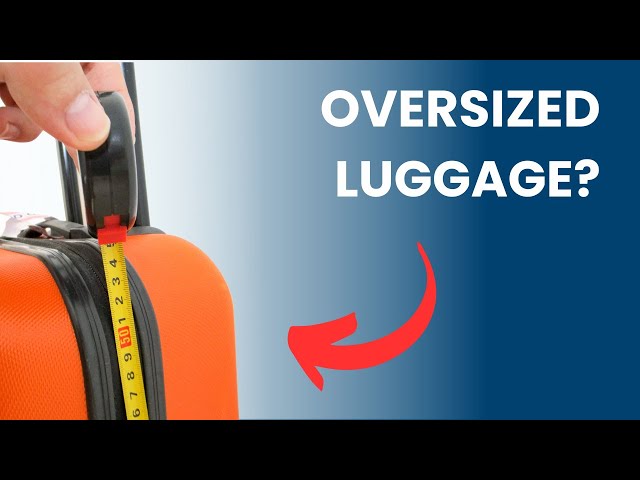
Check size and weight rules before traveling. Overweight or oversized bags may need to be checked in, causing delays and fees.
5 Shocking Items Not Allowed on Planes
Common Airlines’ Policies
Airlines have their own rules for two cabin bags. Understanding these helps avoid surprises at the gate. Some airlines allow two free cabin bags, others allow one free and charge for the second.
Here are policies from popular airlines:
| Airline | Number of Cabin Bags Allowed | Size Limits (cm) | Weight Limit |
|---|---|---|---|
| British Airways | 2 (1 cabin bag + 1 personal item) | 56 x 45 x 25 (cabin), 40 x 30 x 15 (personal) | 23 kg combined |
| Ryanair | 1 free cabin bag; 2nd requires fee | 40 x 20 x 25 (free bag) | 10 kg |
| Delta Airlines | 2 (1 carry-on + 1 personal item) | 56 x 35 x 23 (carry-on), small personal item | No more than 7 kg recommended |
| EasyJet | 1 cabin bag; 2nd bag requires fee | 45 x 36 x 20 | 15 kg |
Always confirm your airline’s cabin bag rules before packing. Policies may differ for international and domestic flights. Airlines can update rules without notice.
What Two Cabin Bags Entail
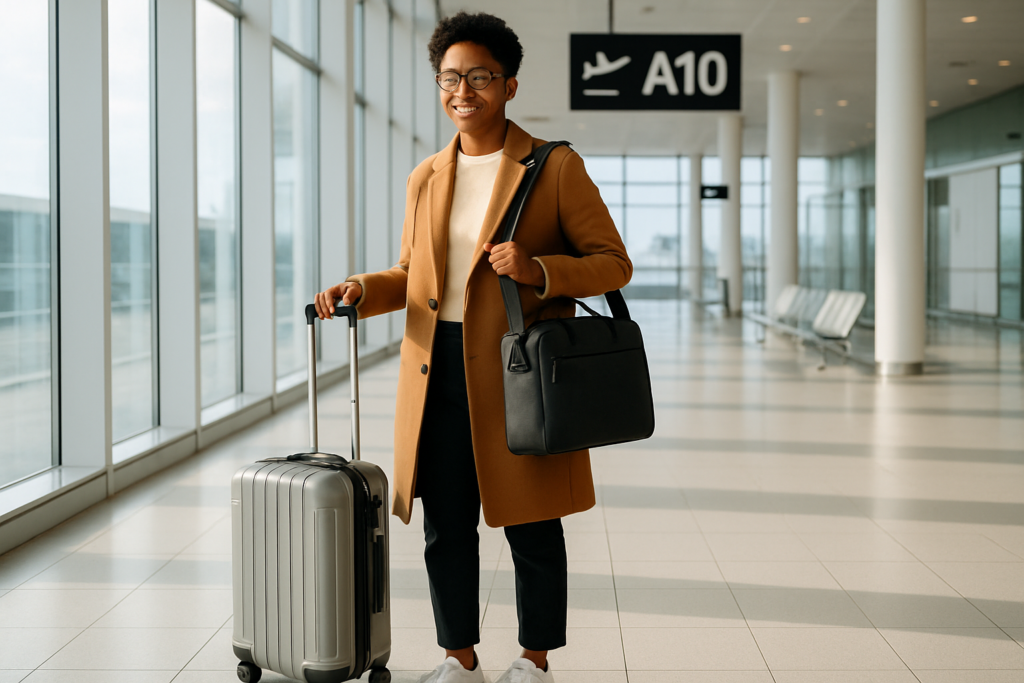
What Two Cabin Bags Entail means you can bring two separate bags into the airplane cabin. Airlines allow this to help passengers carry both essential and personal items. These bags usually differ in size and purpose. One is typically larger, like a small suitcase or trolley. The second is smaller, such as a handbag or laptop bag. Understanding what counts as cabin bags helps avoid extra fees or having to check bags unexpectedly. It also makes packing easier and travel smoother.
What is TSA’s New $45 Fee for Domestic Flights?
Types Of Allowed Bags
Most airlines have clear rules about what types of cabin bags you can bring. Generally, they allow one larger bag and one smaller personal item. The larger bag fits in the overhead bin. The smaller item should fit under the seat in front of you. Both bags must meet size and weight limits. These limits vary by airline but usually range from:
- Larger bag: 55 x 40 x 20 cm (21.5 x 15.7 x 7.8 inches)
- Smaller bag: 40 x 30 x 15 cm (15.7 x 11.8 x 5.9 inches)
Common cabin bag types include:
- Carry-on suitcase: Small, wheeled luggage for clothes and essentials.
- Backpack: Often used as the smaller bag or even the main bag if within size.
- Handbag or purse: Fits personal items like wallet, phone, and documents.
- Laptop bag: For carrying electronics safely.
| Bag Type | Typical Size Limit | Where It Fits |
|---|---|---|
| Larger Cabin Bag | 55 x 40 x 20 cm | Overhead Bin |
| Smaller Personal Item | 40 x 30 x 15 cm | Under Seat |
Always check your airline’s specific rules. Some allow different sizes or types. Some may not allow two bags for all ticket types. Knowing the allowed types helps pack smart and avoid delays.
Combining Bags For Carry-on
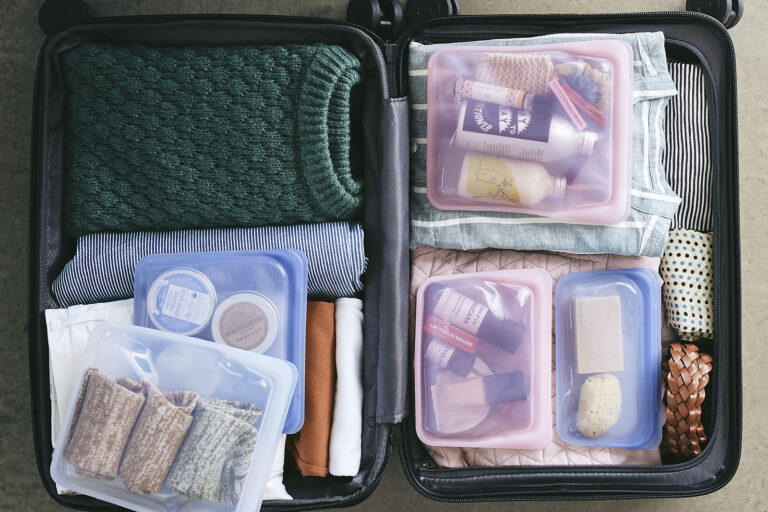
Bringing two cabin bags requires smart packing and combining items. The goal is to use space well and keep essentials handy. Usually, the larger bag holds clothes, shoes, and bigger items. The smaller bag carries valuable or frequently used things. This separation helps during security checks and on the plane.
Tips for combining bags:
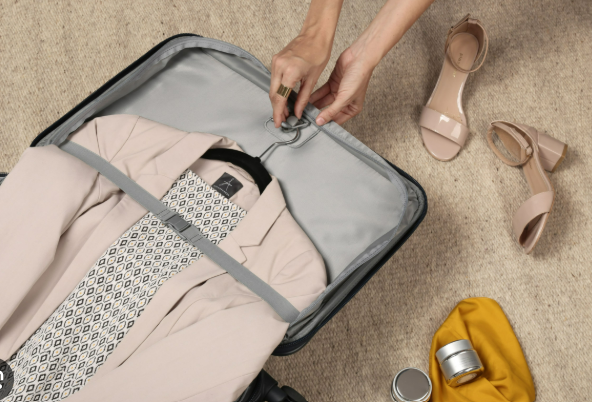
- Use packing cubes: Keep clothes organized in the larger bag.
- Place electronics in the smaller bag: Easy to remove for security.
- Keep important documents: Passport, tickets, and money in the smaller bag.
- Distribute weight: Avoid heavy loads in one bag for comfort.
- Check size limits: Measure bags before packing to avoid surprises.
The smaller bag often fits under the seat. This means quick access to items like phones, books, or snacks. The larger bag goes in the overhead bin, freeing legroom. Airlines may ask to combine bags if one is too large or heavy. Always be ready to adjust. Being organized saves time and stress.
U.s. Airline-specific Policies On Cabin Baggage
U.S. Airline-Specific Policies on Cabin Baggage [TSA] vary widely. Each airline sets its own rules for how many bags passengers can bring onboard. Understanding these rules helps travelers avoid extra fees and hassles at the gate. The term “2 cabin bags” usually means passengers can bring two pieces of carry-on luggage. But what counts as a cabin bag depends on the airline. This section explains policies of major U.S. airlines, so you know what to expect.
American Airlines Cabin Bag Allowance
American Airlines allows one standard carry-on bag and one personal item for free.
- Carry-on bag: Max size 22 x 14 x 9 inches (including wheels and handles)
- Personal item: Smaller item like a purse, laptop bag, or briefcase
Passengers cannot bring two full-sized cabin bags for free. The personal item must fit under the seat.
Delta Air Lines Cabin Bag Policy
Delta’s policy is similar to American Airlines. One carry-on bag and one personal item are allowed.
- Carry-on bag size: Up to 22 x 14 x 9 inches
- Personal item: Must fit under the seat in front
Checking two cabin bags without fees is not permitted. Extra bags may cost more.
United Airlines Carry-on Rules
United Airlines permits one carry-on bag plus one personal item per passenger.
- Carry-on bag maximum size: 22 x 14 x 9 inches
- Personal item examples: Purse, laptop bag, small backpack
Two full-sized cabin bags are not free. Additional bags require fees.
Southwest Airlines Carry-on Baggage
Southwest is known for a generous policy. They allow two free checked bags but only one carry-on and one personal item onboard.
- Carry-on bag: Max 24 x 16 x 10 inches
- Personal item: Smaller bag to fit under the seat
Passengers cannot bring two large cabin bags free of charge.
Summary Table Of U.s. Airline Cabin Bag Policies
| Airline | Carry-on Bag Allowed | Personal Item Allowed | Max Carry-on Size (inches) | Can Bring 2 Cabin Bags Free? |
|---|---|---|---|---|
| American Airlines | 1 | 1 | 22 x 14 x 9 | No |
| Delta Air Lines | 1 | 1 | 22 x 14 x 9 | No |
| United Airlines | 1 | 1 | 22 x 14 x 9 | No |
| Southwest Airlines | 1 | 1 | 24 x 16 x 10 | No |
Benefits Of Bringing Two Cabin Bags
Carrying two cabin bags helps travelers pack smarter and save money. It also reduces the hassle of waiting at baggage claim. Understanding these benefits helps you make the most of your allowed baggage and enjoy a smoother trip.
More Packing Flexibility
Having two cabin bags gives you extra space to organize your belongings. You can separate items for easy access during the flight. For example, keep electronics and documents in the smaller bag, and clothes or snacks in the larger one. This separation helps avoid digging through one bag to find essentials.
Here are some advantages of packing two cabin bags:
- Carry fragile or valuable items safely in the smaller bag.
- Keep travel documents and devices handy.
- Distribute weight evenly for easier handling.
- Pack different types of items separately.
Below is a simple table showing what you can pack in each bag:
| Bag Type | Suggested Items |
|---|---|
| Larger Cabin Bag | Clothes, shoes, toiletries, snacks |
| Smaller Personal Item | Phone, laptop, passport, wallet, medication |
With two cabin bags, you avoid overpacking one bag and can keep essentials within reach. This flexibility also helps when you need to remove items during security checks or quickly grab something during the flight.
Avoiding Checked Baggage Fees
Checked baggage often comes with extra fees, especially on budget airlines. Bringing two cabin bags helps you avoid these charges by fitting all your belongings into carry-on luggage. This saves money and time at the airport.
Here are key points about avoiding checked baggage fees:
- Save money: No need to pay extra for checked bags.
- Skip waiting: No baggage claim waits after landing.
- Less risk: Avoid lost or delayed checked bags.
- Faster boarding and exit: Move quickly through the airport.
Many airlines allow one cabin bag up to 10 kg and one small item like a purse. Packing smartly within these limits means you carry everything important on board. This approach helps avoid surprises at check-in counters and gives peace of mind during travel.
Potential Restrictions And Challenges
Carrying 2 cabin bags on a flight seems convenient for travelers who want to bring more essentials on board. Yet, this allowance comes with certain restrictions and challenges. Airlines set strict rules to manage space and safety inside the cabin. Understanding these limits helps avoid stress at the airport and ensures a smooth journey.
Space Limitations On Board
Airplane cabins have limited space for carry-on luggage. The overhead bins and under-seat areas can quickly fill up, especially on full flights. Carrying two cabin bags means you must be careful about the size and weight of each bag.
- Overhead bin space is shared among all passengers. When many travelers bring cabin bags, space runs out fast.
- Under-seat storage
- Some airlines allow only one large cabin bag plus one small personal item, not two large bags.
Here is a simple table showing typical cabin bag size limits:
| Bag Type | Max Dimensions (cm) | Common Weight Limit |
|---|---|---|
| Large Cabin Bag | 55 x 40 x 20 | 7-10 kg |
| Personal Item (e.g., handbag) | 40 x 30 x 15 | 3-5 kg |
Trying to fit two large cabin bags can cause problems. You might need to check one bag at the gate or pay extra fees. Packing smartly and choosing bags that fit airline rules is essential.
Security And Handling
Security checks and baggage handling also create challenges for carrying 2 cabin bags. Each bag must pass through airport scanners, which can slow down the process.
- More bags mean more time spent at security checkpoints.
- Security officers may ask to inspect both bags separately.
- Loose or bulky items can cause delays or require repacking.
During boarding and disembarking, managing two bags is harder. One bag might get stuck in the aisle or overhead compartment. This can delay others and increase stress.
Keep these tips in mind:
- Label both bags clearly with your name and contact.
- Use bags with smooth handles and lightweight materials.
- Place essential items in the smaller bag for easy access.
- Be ready to lift and stow bags quickly to help other passengers.
Following these steps makes security checks faster and handling easier. It helps keep the travel experience calm and efficient for everyone.
What Can You Pack In Your 2 Cabin Bags?
Packing for a flight with the option to carry 2 cabin bags can be very useful. It means you can bring two separate pieces of luggage into the airplane cabin. This gives more space for your essentials and personal items. Knowing what to pack in these bags helps you avoid extra fees and keeps your travel smooth.
Size And Weight Limits For 2 Cabin Bags
Each airline sets rules for the size and weight of cabin bags. Usually, one bag is larger, called a carry-on, and the other is smaller, like a handbag or laptop bag.
| Bag Type | Typical Size Limit | Typical Weight Limit |
|---|---|---|
| Carry-On Bag | 55 x 40 x 20 cm | 7-10 kg |
| Small Cabin Bag | 40 x 30 x 15 cm | Up to 5 kg |
Check your airline’s website for exact limits before packing.
Essentials To Pack In Your Carry-on Bag
- Clothes: A change of clothes and layers for comfort.
- Toiletries: Travel-size liquids under 100 ml each, packed in a clear bag.
- Electronics: Laptop, tablet, chargers, and headphones.
- Important Documents: Passport, boarding pass, and travel insurance.
Items Suitable For Your Smaller Cabin Bag
- Personal Items: Wallet, phone, keys, and sunglasses.
- Snacks: Light snacks for the journey.
- Medication: Any needed medicines or prescriptions.
- Entertainment: A book or magazine.
What Not To Pack In Cabin Bags
Some items are not allowed in cabin bags. These include:
- Sharp objects like knives or scissors longer than 6 cm.
- Flammable liquids or gases.
- Large bottles of liquids over 100 ml.
- Sports equipment like baseball bats or golf clubs.
Always follow airline and airport security rules for safe travel.
When Is 2 Cabin Bags Not Allowed?
When Is 2 Cabin Bags Not Allowed? Knowing when you cannot bring two cabin bags is important. Airlines have rules that may stop you from carrying both bags onboard. These rules help keep the flight safe and comfortable for all passengers.
Airline Policy Restrictions
Not all airlines allow two cabin bags. Some only permit one small bag plus one personal item, like a purse or laptop bag. Check the airline’s website before you pack.
- Low-cost airlines often have stricter rules.
- Full-service airlines may allow two bags, but with size limits.
- Exceeding size or weight limits can lead to extra fees or bag check-in.
Flight Type And Aircraft Size
Small planes have less cabin space. They may limit passengers to one cabin bag only. This rule ensures enough space for all bags and safe movement inside the plane.
| Flight Type | Cabin Bag Allowance | Reason |
|---|---|---|
| Short-haul flights | Usually 1 bag + 1 small item | Limited overhead space |
| Regional jets | Often 1 bag only | Smaller cabins |
| Long-haul flights | Typically 2 bags allowed | More cabin space |
Overbooking And Boarding Issues
When a flight is full, airlines may limit cabin bags. Staff might ask passengers to check bags at the gate. This reduces crowding in the cabin and speeds up boarding.
- Flight is overbooked or fully booked.
- Cabin storage space is limited.
- Gate agents request bag checks.
Safety And Security Rules
Security rules can affect cabin bag allowance. Items that pose risks are not allowed onboard. This can mean checking bags that seem too large or heavy.
- Sharp objects or liquids over limit are banned.
- Heavy or bulky bags may be denied cabin access.
- Sometimes, two bags are not allowed for quick evacuation safety.
Tips For Managing Two Cabin Bags
Managing two cabin bags can be tricky without the right approach. Airlines often allow passengers to bring two pieces of carry-on luggage: one larger bag and one smaller item like a handbag or laptop case. Knowing how to organize and pack these bags saves time and reduces stress at the airport. Use clear tips to make the most of your allowed cabin baggage and avoid extra fees or delays.
Packing Strategies
Packing for two cabin bags requires smart planning. Divide your items logically between the bags to keep things balanced and accessible. Keep important documents and electronics in the smaller bag for easy reach during security checks. Use the larger bag for clothes, shoes, and bulkier items.
Follow these tips to pack efficiently:
- Roll your clothes to save space and reduce wrinkles.
- Use packing cubes to separate different item types.
- Place heavy items at the bottom of the larger bag for better weight distribution.
- Keep liquids in a clear, resealable bag inside the smaller bag to speed up security checks.
- Limit footwear to one or two pairs and wear the bulkiest pair on the plane.
Here is a simple table showing what to pack in each bag:
| Bag Type | Suggested Contents |
|---|---|
| Larger Cabin Bag | Clothes, shoes, toiletries, chargers, souvenirs |
| Smaller Cabin Bag | Passport, wallet, phone, laptop/tablet, medications |
Keep some space free in both bags for items picked up during your trip. Avoid overpacking to stay within airline size and weight limits.
Selecting The Right Bags
Choosing proper bags is crucial when carrying two cabin items. Look for lightweight bags that meet airline size rules. Weight matters since airlines often have strict limits for carry-on luggage.
Consider the following features when selecting your bags:
- Dimensions: Check the airline’s maximum size for both bags.
- Weight: Pick bags made of light materials like nylon or polyester.
- Compartments: Multiple pockets help organize items better.
- Wheels and handles: Smooth-rolling wheels and sturdy handles ease moving through airports.
- Durability: Choose water-resistant and strong materials to protect belongings.
Here is a quick comparison of two common types of cabin bags:
| Bag Type | Advantages | Disadvantages |
|---|---|---|
| Soft-sided Cabin Bag | Flexible, lighter, easier to fit in tight spaces | Less protection, can get squashed |
| Hard-sided Cabin Bag | Better protection, keeps shape, water-resistant | Heavier, less flexible |
For the smaller cabin bag, choose a compact backpack, tote, or laptop bag. It should be easy to carry and fit under the seat in front. Always check airline policies before buying bags to avoid surprises at the airport.
Alternatives To 2 Cabin Bags: Exploring Other Options
Many airlines allow passengers to carry 2 cabin bags on board. This usually means one larger bag and a smaller personal item, like a handbag or laptop bag. But what if your airline or ticket type does not include 2 cabin bags? There are several alternatives to consider. These options can help you pack smart and travel comfortably.
Using One Larger Cabin Bag
Some travelers prefer to carry one bigger cabin bag instead of two smaller bags. This helps keep all belongings in one place. Airlines often set size and weight limits, so check those carefully. A larger bag can hold more items but might be heavier to lift into overhead bins.
Choosing A Personal Item Only
Many airlines allow one personal item on board. This can be a backpack, purse, or laptop bag. This option is lighter and easier to carry. It fits under the seat in front, saving time at the gate. Great for short trips or when packing light.
Checked Luggage As An Alternative
For those who need more space, checked luggage is a good choice. It frees up hands and avoids cabin size limits. Checked bags often come with extra fees, so consider this cost. It is ideal for long trips or when carrying bulky items.
Using A Travel Backpack
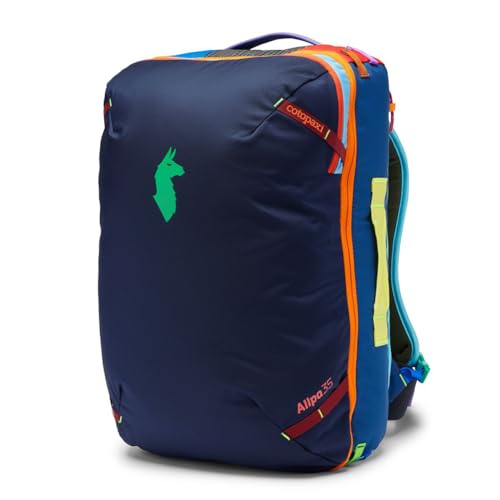
Travel backpacks combine space and convenience. They fit in overhead bins and sometimes under seats. Many have multiple compartments to organize belongings. This option suits active travelers who move a lot during their trip.
Compressible Packing Cubes
Packing cubes help maximize space inside one bag. They compress clothes and keep items neat. Using cubes can reduce the need for multiple bags. It also makes unpacking faster and easier.
| Alternative | Advantages | Best For |
|---|---|---|
| One Larger Cabin Bag | More space, all items together | Longer trips, heavier packing |
| Personal Item Only | Light, easy to carry | Short trips, minimal packing |
| Checked Luggage | No cabin limits, bulky items allowed | Long trips, extra belongings |
| Travel Backpack | Hands-free, organized compartments | Active travelers, city tours |
| Compressible Packing Cubes | Space-saving, organized packing | Any trip, efficient packing |
Frequently Asked Questions
What Does 2 Cabin Bags Allowance Mean?
2 cabin bags allowance means passengers can carry two hand luggage items onboard. Usually, one is a larger bag and the other a smaller item like a handbag. Airlines set specific size and weight limits for each bag to ensure comfort and safety during the flight.
Can I Bring Two Full-size Cabin Bags?
Most airlines allow one full-size cabin bag plus one smaller item. Carrying two full-size bags may exceed size limits and cause issues at boarding. Always check your airline’s specific cabin bag dimensions and weight restrictions before packing to avoid extra fees or baggage refusal.
Are 2 Cabin Bags Free On All Airlines?
No, not all airlines offer 2 cabin bags free. Budget airlines often allow only one free cabin bag. Full-service airlines usually include two free bags but with size and weight limits. Always verify your airline’s baggage policy before travel.
What Sizes Are Allowed For 2 Cabin Bags?
Airlines typically allow one larger bag around 55x40x20 cm and a smaller bag near 40x30x15 cm. Weight limits usually range between 7-10 kg per bag. These dimensions ensure bags fit in overhead bins or under the seat.
Conclusion
Carrying two cabin bags lets you bring more on board. Airlines usually allow one small bag plus one larger bag. Each bag has size and weight limits to follow. Know your airline’s rules before packing. This helps avoid extra fees or delays.
Pack smart and keep essentials handy. Two cabin bags mean more space, but also more care. Travel easier by understanding what two cabin bags really mean. Safe and smooth trips start with good preparation.

Md Abdul Muhaimen is an experienced travel content writer and guide who has a Master’s in Information Systems Management from the University of Huddersfield. He is passionate about all things related to travel logistics and trip planning, and has assisted thousands of readers in choosing the proper luggage, knowing which items can be included in carry-on luggage, and understanding an airline’s policy with confidence.
Md Abdul has a sound grounding in systems thinking and data-driven content creation that allows him to bring clarity to complicated travel topics — from comparing the exact sizes of cabin bags from multiple airlines to developing helpful how-to guides to simplify a traveler’s experience.
He actually engages in travel forums on Quora, answers real user questions, and shares insights by posting on Medium blogs
.His work marries first-hand research, consumer-focused advice, and technical accuracy, and he is a voice that can be trusted among the travel and luggage community.
One Comment
Comments are closed.