
Why is deodorant not allowed on planes?– Travel Safety Guidelines Explained
Deodorant is not banned on planes, but certain types are restricted due to aviation liquid and aerosol rules. Spray deodorants are considered aerosols and may be limited in quantity because they are pressurized and potentially flammable, while liquid or gel deodorants must follow the 3-1-1 carry-on rule (containers typically 100 ml/3.4 oz or less). Solid stick deodorants are generally allowed without restrictions. Always check airline and airport security guidelines to ensure compliance before packing.
The “TSA-Proof” Travel Kit: Top TSA-Approved Deodorants for 2026
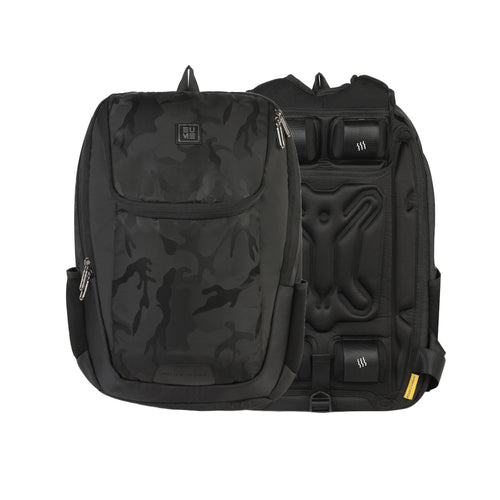
Product Why it’s the Best for Flying Type Native Mini Deodorant (3-Pack) Zero Stress. These are tiny, solid, and don’t count toward your liquid limit. Solid Stick Degree UltraClear Travel Spray Perfect for Sprayers. Guaranteed to be under the 3.4oz limit. Aerosol (Mini) Crystal Mineral Travel Stick Longest Lasting. One tiny 1.5oz stick lasts for months of travel. Mineral Salt BAGSMART TSA Toiletry Bag The Organizer. The best way to keep your gels and sprays visible for TSA. Accessory
Deodorant is allowed on planes, but liquids and aerosols have strict limits.
If you’ve ever stood at airport security clutching your toiletry bag and wondering why is deodorant not allowed on planes, you’re not alone. I’ve flown with every type of deodorant, from tiny solids to big sprays, and I’ve seen what gets flagged. This clear, friendly guide breaks down the real rules, the science behind them, and how to pack with zero stress.
Why is deodorant not allowed on planes? The real rules
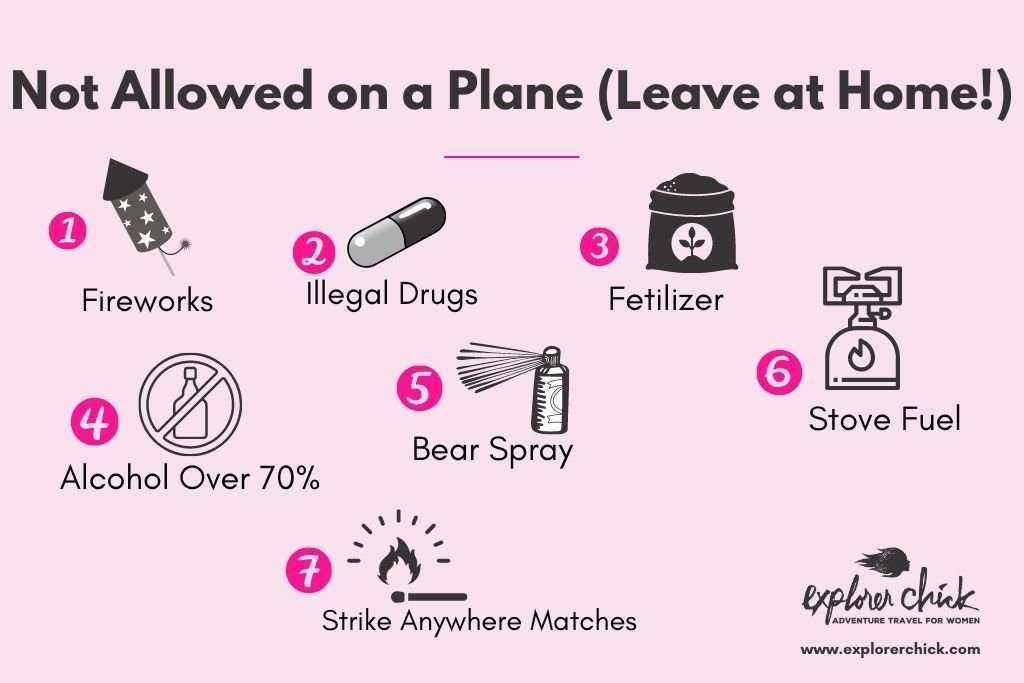
The short answer is that deodorant is not banned. It is regulated. Airport security screens liquids, gels, creams, pastes, and aerosols because they can pose safety risks. That is why is deodorant not allowed on planes sounds true, but the policy is about limits, not bans.
Here is the core rule for carry-ons in many countries:
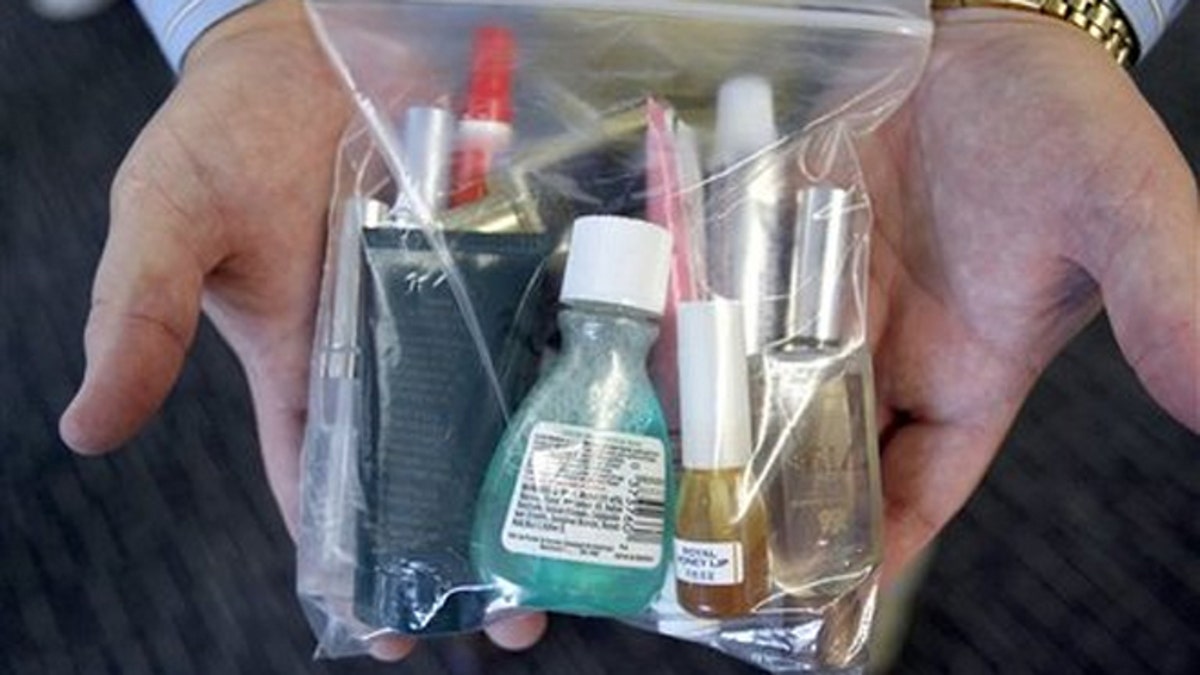
- Liquids, gels, and aerosols must be 3.4 oz or 100 ml or less per item.
- All must fit in one clear, quart-sized bag.
- Only one bag per traveler.
These rules come from aviation security standards used by agencies worldwide. They aim to control what goes on board without stopping you from bringing daily essentials. That is also why roll-on, gel, and spray deodorants get extra checks, while solid sticks glide through.
How Many 3oz Bottles Can You Take on a Plane?– Carry-On Liquid Limits
Why some deodorants get flagged at security
Many travelers search “why is deodorant not allowed on planes” after a spray got tossed. Here is what triggers extra screening:
- Size over the limit for carry-on. A 150 ml spray can is common in stores, but too big for your bag at security.
- Missing cap. Aerosols must have a cap or other protection to stop accidental spraying.
- Strong scents. If a can leaks, it can fill a small space with fumes. This is a comfort and health issue for people with sensitivities.
- Confusion about form. Solid sticks are fine. Roll-ons, gels, and creams count as liquids. Sprays are aerosols. Each follows different checks.
The root reason people ask why is deodorant not allowed on planes is that sprays and liquids look risky under X-ray. The item is allowed, but only in small, safe amounts.
Carry-on rules for every deodorant type
Here is how to pack each kind so you never lose it at the checkpoint.
- Solid stick deodorant
- Allowed in carry-on and checked bags with no size limit.
- Pack it in your toiletry bag but it does not need to be in the liquids bag.
- Roll-on liquid deodorant
- Counts as a liquid. Must be 3.4 oz or 100 ml or less for carry-on.
- Place it in the quart-sized liquids bag.
- Gel or cream deodorant
- Counts as a gel or cream. Follow the 3.4 oz or 100 ml rule for carry-on.
- Keep it in the liquids bag.
- Spray or aerosol deodorant
- Allowed in carry-on if 3.4 oz or 100 ml or less. Cap required.
- Allowed in checked bags with special limits. See next section.
- Crystal or mineral deodorant stone
- Usually solid. Allowed in carry-on and checked.
- Keep it dry to avoid residue on other items.
- Deodorant wipes or towelettes
- Great for carry-on. They are not liquids. Easy to pack and use.
People often ask, why is deodorant not allowed on planes if these basic items seem harmless? The truth is, it is allowed. It just has to meet the liquid and aerosol limits designed to manage risk in the cabin.

Checked baggage rules for spray deodorants
Aerosols are pressurized and often flammable, so they face extra rules in checked bags:
- Each aerosol toiletry can must be 0.5 kg or 0.5 L or less.
- The total for all toiletry aerosols per person cannot exceed 2 kg or 2 L.
- Each can needs a cap or other device to stop leaks.
These limits follow international dangerous goods standards used by airlines. They allow personal care aerosols, like deodorant and hair spray, in safe amounts. When people ask why is deodorant not allowed on planes, checked baggage rules are a big part of the answer. Deodorant is allowed, but those totals matter.
Pro tip: Pack sprays in a side pocket or pouch. Add a small plastic bag to catch leaks. I started doing this after one warm-weather trip when a half-used can misted my shirts.
The safety science: flammability, pressure, and cabin air
Aerosol deodorants use propellants like butane or propane. These are flammable gases. In a tight space like a cabin or cargo hold, an accidental spray can create fumes or a fire hazard if near a source of ignition. That is one reason people think, why is deodorant not allowed on planes? It is not about banning daily items. It is about making sure those items cannot cause harm.
Liquids and gels are also limited because larger amounts can hide other substances. The 3.4 oz or 100 ml rule lowers that risk while still letting you bring what you need.
Cabin pressure is controlled, but temperature and handling can vary. Limits help reduce the chance of leaks or bursts. When items are sized right and capped, risk drops a lot.
Is EasyJet Very Strict on Hand Luggage?– Avoid Extra Fees and Confiscation
My real-life checks and what actually happens
I travel with two deodorants: a solid stick in my carry-on and a small spray in checked luggage. The stick has never been stopped. The spray only got extra screening once when I forgot the cap. The officer let me keep it after I found a spare cap in my bag.
A few tips I learned the hard way:
- If you love sprays, pack a 100 ml version for carry-on or go with a solid stick.
- Keep small liquids in the quart bag and pull it out early.
- Have a travel set ready year-round. That habit alone has saved me time and money.
When friends ask me why is deodorant not allowed on planes, I tell them it is allowed. The trick is choosing the right form and size for where you pack it.
Common packing mistakes to avoid
- Bringing a full-size spray in your carry-on. It will get tossed.
- Leaving off the aerosol cap. No cap often means no can.
- Forgetting that gels and creams are liquids. They must be 100 ml or less.
- Mixing toiletries and tools. Keep razors and aerosols apart to reduce bag checks.
- Waiting until the airport to sort your bag. Do it the night before.
If you still wonder why is deodorant not allowed on planes after a bad checkpoint run, review this list. Most problems come down to size, caps, and bags.
International differences and airline quirks
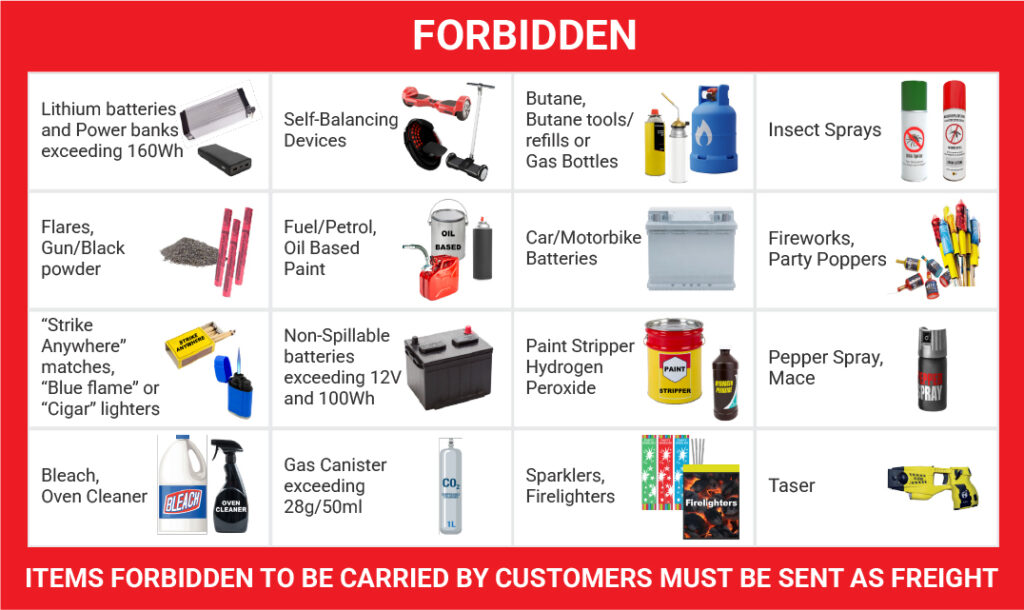
The carry-on liquid rule is common worldwide, yet small differences exist:
- United States. Liquids and aerosols up to 3.4 oz or 100 ml, one quart bag.
- European Union and United Kingdom. Same 100 ml limit and clear bag rule.
- Canada and Australia. Similar 100 ml limit and screening steps.
- Some countries. May be stricter with aerosols in carry-on, even at 100 ml.
Airlines also add their own notes. Some ask for extra protection on aerosols. Some limit strong scents in the cabin. Check your airline’s page before long trips.
All these details explain why is deodorant not allowed on planes shows up in searches. It is not a ban. It is a patchwork of small rules that you can manage with a little prep.

Fast answers while you pack
Can I bring spray deodorant in my carry-on?
Yes, if it is 3.4 oz or 100 ml or less and has a cap. Larger sprays must go in checked bags.
Are solid deodorants treated like liquids?
No. Solid sticks are not liquids, so they can go in your carry-on without the 100 ml limit.
Why do officers sometimes take my deodorant?
It is usually too big, missing a cap, or not in the quart bag. Those small issues trigger removals, which is why people think, why is deodorant not allowed on planes.
Practical packing blueprint for zero-stress travel
Use this quick routine to avoid the why is deodorant not allowed on planes confusion:
- Choose the right type. Solid stick for carry-on ease, or 100 ml spray if you must.
- Cap your aerosols. No cap means a higher chance of a bag check.
- Pack smart. Liquids and gels go in a quart bag. Solids stay separate.
- Plan for the return. Leave a bit of space if you buy toiletries at your destination.
- Test at home. Toss your travel set in your personal item to see how it fits.
I keep a small pouch stocked year-round: solid stick, 90 ml roll-on, and wipes. It took me one spilled gel to learn that routine. Since then, no delays and no tosses.
When is it better to buy at your destination?
If you need a large or special deodorant, consider buying it after you land. This is smart when:
- You use a big aerosol that will not meet the carry-on limit.
- You want to avoid packing weight and space in a small bag.
- You travel with family and have many liquids to juggle.
This simple move can save you from the why is deodorant not allowed on planes moment at security. It also reduces chances of leaks on the road.
Frequently Asked Questions of Why is deodorant not allowed on planes?
Why is deodorant not allowed on planes?
It is allowed. The rules limit liquids and aerosols by size for safety. Stick deodorants face fewer limits.
Can I bring deodorant in checked luggage?
Yes. Spray deodorants are allowed with a cap and size limits. The total amount of toiletry aerosols per person cannot exceed 2 kg or 2 L.
What size deodorant can I take on a plane?
For carry-on, liquids, gels, and aerosols must be 3.4 oz or 100 ml or less. Solid sticks have no size limit.
Are natural or crystal deodorants treated differently?
Most are solid, so they are easier to carry. If yours is a cream or gel, follow the 100 ml rule.
Do all countries follow the same deodorant rules?
Most follow the 100 ml liquid limit for carry-ons. Small differences exist, so check your airline and local airport rules.
Can I bring deodorant wipes through security?
Yes. Wipes are not liquids, so they are easy to bring in your carry-on or personal item.
Will strong-scented deodorants cause issues?
Strong scents are not banned. But if a can leaks, it can bother nearby passengers. Keep caps tight and use sprays sparingly.
Conclusion
Deodorant is not banned on planes. The rules focus on size, caps, and safe packing, which is why is deodorant not allowed on planes is more myth than truth. Pick the right type, follow the 100 ml limit for liquids and aerosols, and use checked bag rules for larger sprays.
Use the tips above on your next trip and breeze through security with confidence. Want more simple travel guides like this? Subscribe, share your questions, or drop a comment with your best packing trick.

Md Abdul Muhaimen is an experienced travel content writer and guide who has a Master’s in Information Systems Management from the University of Huddersfield. He is passionate about all things related to travel logistics and trip planning, and has assisted thousands of readers in choosing the proper luggage, knowing which items can be included in carry-on luggage, and understanding an airline’s policy with confidence.
Md Abdul has a sound grounding in systems thinking and data-driven content creation that allows him to bring clarity to complicated travel topics — from comparing the exact sizes of cabin bags from multiple airlines to developing helpful how-to guides to simplify a traveler’s experience.
He actually engages in travel forums on Quora, answers real user questions, and shares insights by posting on Medium blogs
.His work marries first-hand research, consumer-focused advice, and technical accuracy, and he is a voice that can be trusted among the travel and luggage community.