Are Ice Packs Allowed In Carry On Luggage: TSA Guide Must Know
Yes, but only if frozen solid or medically necessary; otherwise size limits apply.
If you are asking are ice packs allowed in carry on luggage, you are not alone. I have flown with gel packs for breast milk, cold packs for migraines, and even dry ice for samples. In this guide, I unpack the exact rules, edge cases, and smart packing tips so you can breeze through security without stress or spills. Stick with me and you will know when, how, and why your ice pack gets a green light at the checkpoint.
6 Best Best Carry On Luggage For Business Travel: Top Picks Reviewed & Tested
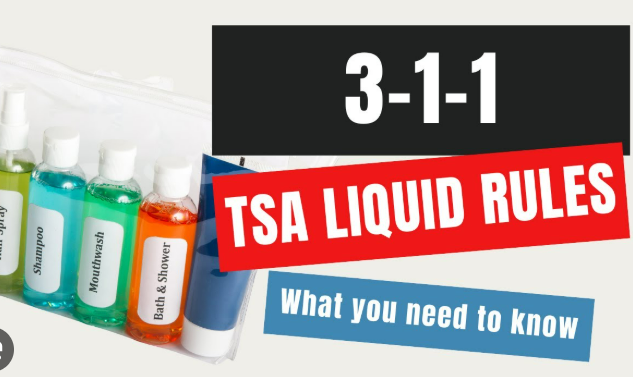
TSA rules you need to know
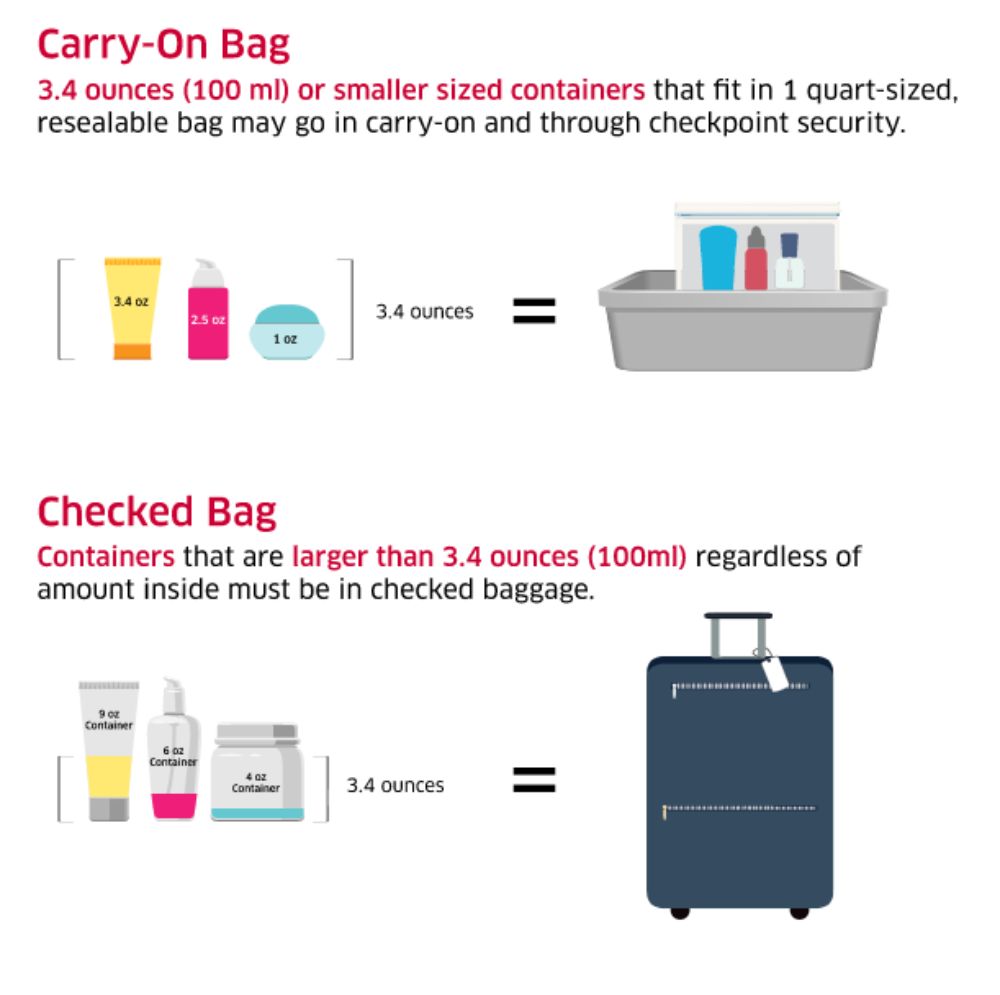
Most travelers ask, are ice packs allowed in carry on luggage at TSA? Yes, but there is a clear test. If the pack is frozen solid at screening, it is fine. If it is even a little slushy, it must be 3.4 ounces or less and fit with your other liquids.
The 3-1-1 liquids rule still applies. Medical and infant items get exceptions. You should remove cold packs from your bag and tell the officer if you are using them to keep medicine, breast milk, or special diet items cold.
The rule that decides are ice packs allowed in carry on luggage is simple. Frozen solid is okay. Melted or slushy is a liquid. Declare medical or infant items for a smoother check.

What “frozen solid” means at the checkpoint
No give, no slosh, no gel flow. If an officer can press it and feel movement, they will treat it as a liquid. A light frost helps show it is truly frozen.
What officers may do
Officers can test items for explosives or ask you to open your cooler bag. This is normal. Be calm, answer questions, and you will be on your way.
Types of ice packs and how each is treated
Different items affect whether are ice packs allowed in carry on luggage without issues. Know the category before you pack.
Gel or reusable ice packs
Frozen solid at screening is allowed. If soft or slushy, they count as liquids. For non-medical use, they must be 3.4 ounces or less and in your quart bag. For medical or infant use, larger sizes are fine when you declare them.
Frozen water bottles
A bottle that is rock solid at the checkpoint is okay. If it has liquid water, it must be 3.4 ounces or less or go in checked bags. I freeze bottles upside down to help the cap area freeze first.
Instant cold packs
Unused instant cold packs are often allowed, but expect inspection. If activated and slushy, they may be treated as liquids or subject to extra screening. Show them on request and do not activate before security.
Dry ice
Up to 5.5 pounds or 2.5 kilograms is allowed in carry on or checked bags with airline approval. The package must vent gas. Label it “dry ice” with the net weight. Use a hard cooler or vented box, not a sealed container.
Homemade ice
Frozen peas or similar work if frozen solid. If thawed, they become liquids or pastes and must meet the 3-1-1 rule.
Medical, infant, and dietary exceptions
For medical needs, are ice packs allowed in carry on luggage even when not frozen? Yes, when they are used to cool medically necessary liquids or gels. Think insulin, injectables, biologics, or temperature-sensitive meds. Declare them to the officer. Screening may include extra checks but they are allowed.
Breast milk, formula, and toddler drinks are allowed in reasonable quantities. Ice packs, gel packs, and cooling sleeves that keep them cold are also allowed. You do not need to fit these in the quart bag. Tell the officer you are carrying them.

If you travel with insulin
Keep meds, prescriptions, and a note from your doctor in one pouch. You may not need the note, but it helps. I also carry a small thermometer card to show the safe range.
If you carry breast milk
Use two small gel packs instead of one large brick. If one softens, the other may still be solid enough to pass. Ask for a visual check if you prefer not to X-ray the milk.
If you have special diets or allergies
Cooling packs for soy-free, gluten-free, or low-histamine meals are fine when you declare them. Pack meals so they are easy to inspect.
How to pack ice packs for airport security
Smart packing makes screening fast. Follow these steps if you wonder are ice packs allowed in carry on luggage on busy travel days.

- Freeze packs for at least 24 hours.
- Wrap packs in a thin towel to slow melting.
- Use a soft cooler that opens wide for inspection.
- Place ice packs on top so you can remove them first.
- Keep medical or infant items in a separate pouch.
- Bring a printed note that lists what the pack cools.
- Pack a backup plan, like extra small packs or a request to add ice at a cafe after screening.
Common scenarios and real-world examples
Here is when are ice packs allowed in carry on luggage and how I handle it. These quick cases come from my trips and clients I help with travel prep.
- Business trip with migraines: I carry two mini gel packs. I freeze them at the hotel before my return. If one softens, I still have a solid one for screening.
- Family flight with breast milk: I declare the milk first. I place two small packs on top of the cooler. The officer screens the set and waves me through.
- Long layover: I ask a lounge or cafe for a cup of ice. I place the packs near the ice to re-chill during the break.
- Outdoor adventure: I freeze water bottles solid. They keep snacks cool, then become safe drinking water later.
Airline and international differences
Policies are similar around the world, but small details can change. With some airlines, are ice packs allowed in carry on luggage under the same rules as the TSA. In Europe, Canada, and the UK, frozen solid is fine, and exceptions for medical and infant items apply, but staff may ask more questions.
Before you fly, check your airline page for dry ice approval, weight limits, and any special labels. If you connect in another country, expect a second security check. Keep your items easy to inspect.
- Europe: 100 milliliter liquid limit still applies for slushy packs. Medical and infant items get exceptions when declared.
- Canada: Similar to TSA. Officers often ask to see items that packs cool.
- UK: Similar approach. Frozen solid allowed. Declare medical and infant items.
- Asia-Pacific: Rules vary. Check airport security pages in advance.
- Airlines: Dry ice needs approval and labeling. Limit is usually 5.5 pounds or 2.5 kilograms.
Mistakes to avoid and pro tips
To avoid extra checks, know when are ice packs allowed in carry on luggage and when they are not. Most delays happen when a pack is half-melted and not tied to a medical or infant item.
- Do not arrive with slushy packs unless you can claim an exception.
- Do not seal dry ice in an airtight box. It must vent gas.
- Do not bury packs where you cannot reach them fast at security.
- Do not forget to declare medical or infant cooling needs.
Pro tips I use on every trip:
- Freeze flat: Lay gel packs flat so they freeze solid and even.
- Pair small packs: Two small frozen packs pass better than one half-frozen brick.
- Bring proof: A doctor’s note or prescription helps, even if not required.
- Use hotel freezers: Ask the front desk to store your packs overnight.
- Pack backups: Toss in a few 3.4 ounce mini packs for long days.
Frequently Asked Questions of are ice packs allowed in carry on luggage
Are ice packs allowed in carry on luggage if they are partially melted?
If the pack is slushy, it is treated as a liquid. It must be 3.4 ounces or less unless it cools medical or infant items.
Can I bring gel ice packs in my carry-on for a regular lunch?
Yes, if they are frozen solid at screening. If not, each must be 3.4 ounces or less and go in your liquids bag.
Are instant cold packs allowed in carry-on?
Unused packs are generally allowed but may be inspected. Do not activate them before the checkpoint.
Can I fly with dry ice in my carry-on?
Yes, up to 5.5 pounds or 2.5 kilograms with airline approval. The package must vent and be labeled.
Do I need to declare ice packs used for medicine or breast milk?
Yes. Tell the officer they cool medically necessary items or infant food. Expect quick screening and approval.
Are ice packs allowed in carry on luggage for international flights?
Rules are similar in many regions. Frozen solid is fine, and medical and infant exceptions apply, but always check local rules.
What happens if my ice pack melts during a connection?
You can ask a cafe for ice to re-chill it. If it stays slushy and is not for medical or infant use, it may need to go in checked baggage.
Conclusion
You now know the rules, workarounds, and smart packing moves. Frozen solid packs sail through. Slushy packs follow liquid limits unless used for medical or infant needs. With a plan, you can keep food, milk, and meds cold and still move fast at the checkpoint.
Pack the right type, declare when needed, and stay calm at screening. You have got this. If this helped, share it with a friend, subscribe for more travel tips, or drop your own ice pack hack in the comments.

Md Abdul Muhaimen is an experienced travel content writer and guide who has a Master’s in Information Systems Management from the University of Huddersfield. He is passionate about all things related to travel logistics and trip planning, and has assisted thousands of readers in choosing the proper luggage, knowing which items can be included in carry-on luggage, and understanding an airline’s policy with confidence.
Md Abdul has a sound grounding in systems thinking and data-driven content creation that allows him to bring clarity to complicated travel topics — from comparing the exact sizes of cabin bags from multiple airlines to developing helpful how-to guides to simplify a traveler’s experience.
He actually engages in travel forums on Quora, answers real user questions, and shares insights by posting on Medium blogs
.His work marries first-hand research, consumer-focused advice, and technical accuracy, and he is a voice that can be trusted among the travel and luggage community.