How to Pack a Tumi Garment Bag for Wrinkle-Free Travel
You can pack a tumi garment bag for a professional, wrinkle-free result by hanging your clothes on the built-in hanger, securing them with the internal tie-down straps, and folding the bag gently along its natural hinges. These steps minimize movement during travel to keep your formal wear crisp.
Your final result changes based on the fabric type, the number of garments you include, and the specific model of your luggage. If you’re packing silk or linen, you must use a garment sleeve to prevent friction. For heavy wool suits, use padded hangers to keep the shoulder shape intact during transit.
Choosing the right garment bag for your needs
People who use these bags usually travel for business or formal events and need to keep suits, dresses, or coats in wearable condition. This guide serves the person who already owns a high-end Tumi bag and wants to maximize its specialized storage features. If you’re using a basic carry-on suitcase, the techniques here won’t apply because those bags lack the internal hanging system required for formal attire.
We assume you have a standard Tumi garment bag with a built-in hanger bracket and internal compression straps. If your bag is a smaller “tri-fold” style, you’ll need to adjust your folding to prevent hard creases. Using the wrong size bag for your garment length is a common error that forces the bottom of your clothes to bunch up.
Key factors that change your packing success
The weight of your fabric is the primary factor that determines how your clothes will look upon arrival. Heavy fabrics like wool or thick cotton hold their shape well, while lighter materials like silk or rayon wrinkle if they shift. If you’re packing lightweight items, always layer them between sheets of dry-cleaning plastic to reduce friction.
The number of items you pack also changes the outcome significantly. Packing too many pieces creates pressure that crushes the fabric, while too few pieces allow clothes to slide off the hanger. If you carry more than three items, you must use the provided garment sleeve to keep them bundled together.
The length of your garments compared to the bag size is a frequent point of failure. If your coat is longer than the bag, you must fold the hem carefully before closing the unit. The most common mistake people make is overstuffing the external pockets, which causes the bag to bulge and creates uneven pressure on the hanging garments inside.
How to pack a tumi garment bag
- Hang your primary garment on the provided hanger and secure the hook into the top bracket.
- Button all jackets and shirts completely to maintain the structure of the collar and front panels.
- Place a layer of tissue paper or thin plastic over the shoulders to prevent creasing.
- Use the internal tie-down straps to secure the midsection of the garments against the back panel.
- Zip any internal mesh pockets closed to keep small items like ties or belts from shifting.
- Fold the bag along its designated hinge points, ensuring the outer shell zips smoothly without catching fabric.
- Use the external compression straps to lock the bag in place, which prevents the contents from sagging.
- Check that the bag lies flat when placed on a table before you attempt to carry it.
The final judgement call involves the tension of the straps. If you pull them too tight, you’ll create permanent wrinkles in the fabric; if you leave them too loose, your clothes will shift during transit. Always aim for a firm, gentle hold that keeps the garments from moving while allowing them to breathe.
The 5 Best Luggage Precision Screwdrivers Set for Quick Travel Repairs
Comparison of garment packing situations
Packing for travel requires different approaches depending on the type of clothing and the length of your trip. Use this table to decide how to arrange your items for the best results.
| Situation | Action | Effort | What to watch |
|---|---|---|---|
| Short trip | Pack one suit | Low | Hanger security |
| Long trip | Use plastic covers | High | Fabric friction |
| Heavy wool | Use padded hanger | Medium | Shoulder shape |
| Delicate silk | Use tissue layers | High | Crease lines |
| Multiple items | Use garment sleeve | Medium | Total weight |
Professional packing and garment care
Preparing your clothing
Experienced travelers always steam their garments before packing to ensure the fabric is relaxed. A tight weave in a clean, pressed garment resists wrinkling better than a loose or damp one. Never pack a garment that has just been laundered, as residual moisture will cause deep set-in wrinkles that are difficult to remove at your destination.
Handling the bag during transit
The way you carry your bag matters as much as how you pack it. Experienced users keep the bag hanging or laid flat whenever possible to avoid putting pressure on the folded sections. If you must check the bag, ensure it’s placed on top of other luggage to avoid crushing. Tumi’s official care guide suggests keeping your bag dry and clean to maintain the integrity of the exterior materials and internal hardware.
Troubleshooting common packing issues
If you notice your clothes are wrinkled upon arrival, it’s usually because the garments weren’t secured tightly enough or the bag was compressed.
| What you notice | What it usually means | What to do first | How to stop it |
|---|---|---|---|
| Deep shoulder creases | Hanger is too thin | Use padded hangers | Check shoulder fit |
| Wrinkled hem | Bag is too short | Fold hem carefully | Use garment sleeve |
| Fabric sliding off | Straps are loose | Tighten tie-downs | Button everything |
| Small wrinkles | Overcrowding | Remove one item | Use less clothing |
| Bag won’t zip | Overstuffed pockets | Empty outer pockets | Pack less gear |
Understanding the rules for garment bags
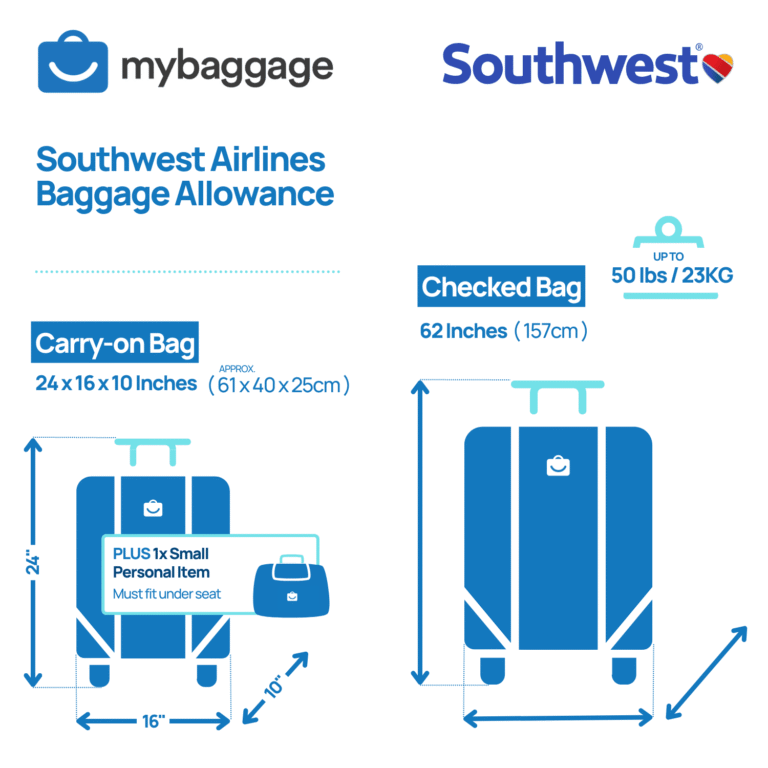
International travel regulations regarding luggage dimensions are set by the International Air Transport Association. Most airlines allow garment bags as carry-on items if they fit within the standard dimensions, which are typically 22 x 14 x 9 inches. Always check your specific airline’s website before heading to the airport, as budget carriers often have stricter limits on bag thickness.
If your garment bag exceeds these limits, you must check it as oversized luggage. Never attempt to force an oversized bag into an overhead bin, as this can damage both the bag and the aircraft interior. If you’re traveling with expensive formal wear, consider using a hard-shell garment case for extra protection if you must check the bag.
The true cost of travel storage
The cost of using a high-end garment bag is measured in both the initial investment and the ongoing effort to maintain your wardrobe. Tumi bags are a significant investment compared to standard luggage, with prices varying based on materials like ballistic nylon versus leather. The real cost is the time you spend packing and unpacking, which can take 15 to 20 minutes per trip to ensure everything stays wrinkle-free.
You can lower your costs by investing in high-quality wooden or padded hangers that you leave inside the bag. This saves time and protects your clothing better than the standard plastic hangers provided by hotels. Always compare the weight of your bag when full, as heavier bags may incur extra fees on smaller regional flights.
Maintaining your bag for longevity
After you return from your trip, remove all garments immediately to let the bag air out. If the interior lining has picked up dust, use a soft, dry cloth to wipe it clean. Never use harsh chemicals or detergents on the interior fabric, as these can damage the protective coating.
If you notice a loose thread or a snag in the internal lining, trim it carefully with small scissors to prevent it from catching on your clothes in the future. Should the zipper become difficult to move, apply a small amount of paraffin wax to the teeth to restore smooth operation. Store your empty bag in a cool, dry place away from direct sunlight to prevent the fabric from fading or becoming brittle over time.
When to choose a different storage method
If you’re packing casual clothing like sweaters or jeans, a garment bag is the wrong choice. Use a standard suitcase or packing cubes instead, as these provide better compression for folded items. Garment bags are strictly for items that must remain on hangers to avoid creasing, such as formal suits, dresses, or delicate long coats.
If you’re traveling to a location with high humidity, even the best bag won’t stop your clothes from wrinkling. In these cases, you should pack your items inside plastic dry-cleaning bags and then place them into your garment bag. If you have any doubt about the safety of your garments, consult a professional dry cleaner for their advice on long-term storage and travel protection.
Frequently asked questions
Can I carry a garment bag as my personal item?
Most airlines count a garment bag as your primary carry-on piece rather than a personal item. Check your specific airline’s baggage policy to confirm their individual size limits for carry-on luggage.
How long can a suit stay in a garment bag?
A suit can stay in a garment bag for up to 48 hours without significant wrinkling if it’s packed correctly. Beyond that, the fabric may begin to hold the shape of the fold.
Is it safe to check a Tumi garment bag?
It’s safe to check a Tumi garment bag, but you should place it on top of other luggage to prevent crushing. Use a hard-shell case if you’re concerned about rough handling.
What happens if the zipper breaks?
If the zipper breaks, you should contact the manufacturer’s repair service or a professional luggage repair shop. Don’t attempt to force a stuck zipper, as this often damages the surrounding fabric permanently.
Does it matter if I use plastic covers?
Yes, using plastic covers significantly reduces friction between garments. This is the single most effective way to prevent wrinkles when you’re packing multiple items inside a single garment bag.
How many suits fit in one bag?
Most Tumi garment bags comfortably hold two to three suits. Attempting to pack more than three items increases the risk of heavy creasing and makes the bag difficult to zip closed.
Conclusion
Start by laying your garment bag flat on a bed or table and opening it fully. The result should be a smooth, wrinkle-free interior where your clothes hang straight without bunching at the bottom. If you see fabric bunching or dragging, stop and re-adjust the hanger height before you attempt to close the bag.

Md Abdul Muhaimen is an experienced travel content writer and guide who has a Master’s in Information Systems Management from the University of Huddersfield. He is passionate about all things related to travel logistics and trip planning, and has assisted thousands of readers in choosing the proper luggage, knowing which items can be included in carry-on luggage, and understanding an airline’s policy with confidence.
Md Abdul has a sound grounding in systems thinking and data-driven content creation that allows him to bring clarity to complicated travel topics — from comparing the exact sizes of cabin bags from multiple airlines to developing helpful how-to guides to simplify a traveler’s experience.
He actually engages in travel forums on Quora, answers real user questions, and shares insights by posting on Medium blogs
.His work marries first-hand research, consumer-focused advice, and technical accuracy, and he is a voice that can be trusted among the travel and luggage community.