
 Posted by
 TSA-approved locks are travel locks that airport security officers can open without breaking them. Understanding what are the TSA approved locks can save you from damaged luggage, missing belongings, and stressful airport delays. These locks offer a practical balance between security and inspection access, but they are not perfect or impossible to defeat. This guide explains how TSA-recognized locks work, how to choose one, and how to use one correctly.
What Are the TSA Approved Locks?
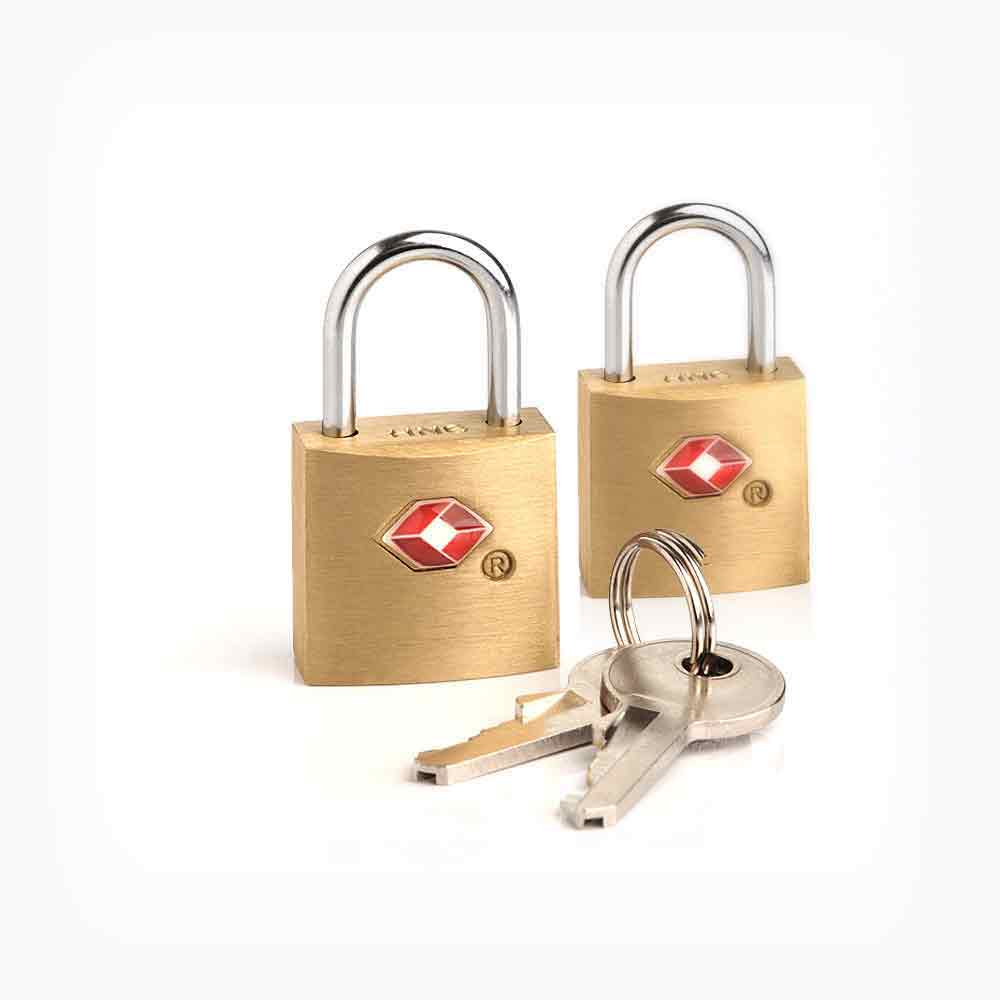
TSA-approved locks are luggage locks designed for checked bags. They include a special keyhole or mechanism that authorized airport security officers can open with a secure master key.
When TSA inspects a locked suitcase, officers may open the lock, inspect the contents, and relock the bag. With a standard padlock, they may need to cut it off. A TSA-recognized lock helps reduce this risk.
The term “TSA approved” is common, but it can be slightly misleading. The Transportation Security Administration does not approve every lock as a general security product. In most cases, the lock is recognized for use through a system developed by companies such as Travel Sentry or Safe Skies.
Look for an identifying mark, such as:
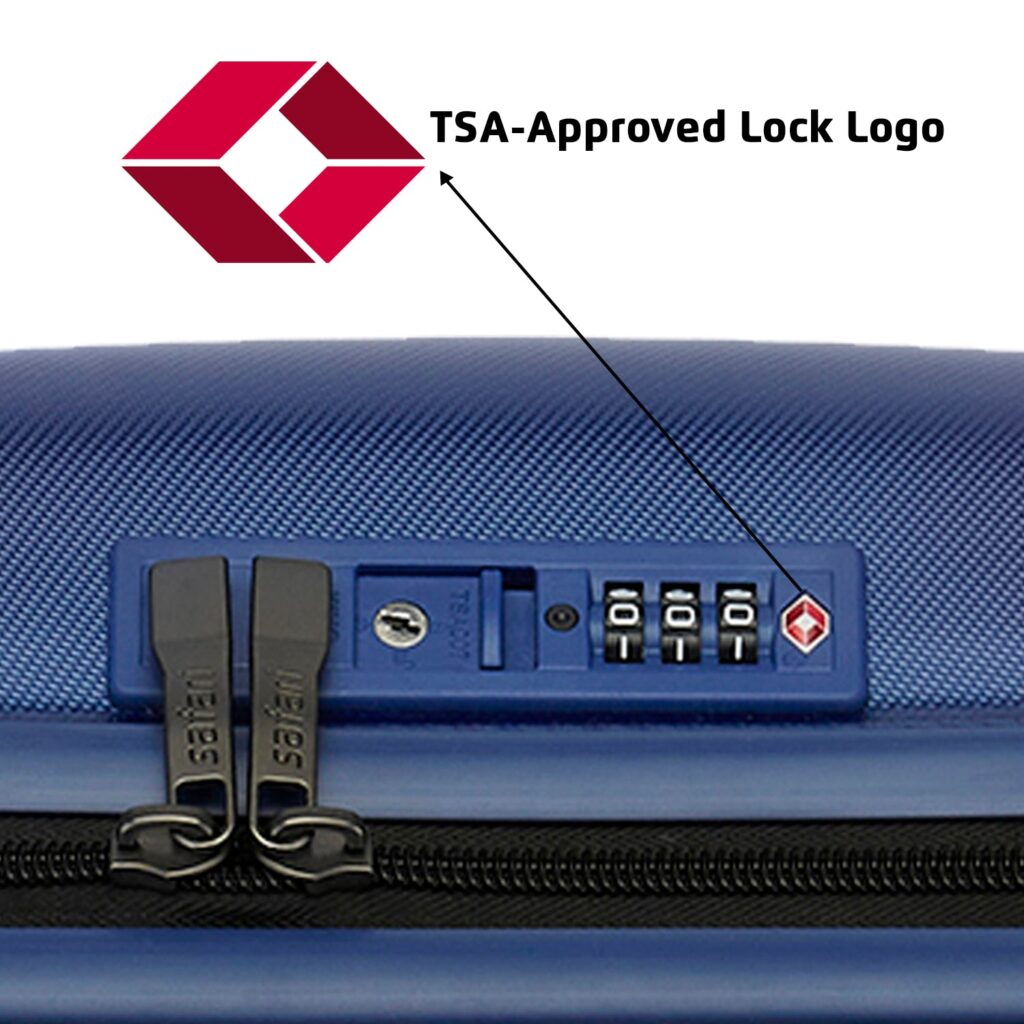
• A red diamond symbol linked with Travel Sentry
• A torch symbol associated with Safe Skies
• Clear packaging that states the lock is accepted for TSA screening
A lock that only says “airport approved” without a recognized symbol deserves closer inspection. It may not be part of a system that TSA officers can open.
10 Best TSA Approved Locks for Secure Travel (Never Get Your Bag Cut Open Again)
How Do TSA Approved Locks Work?
TSA approved locks work with two access methods. You open the lock with your combination or personal key, while authorized security officers use a controlled master key.
The master key does not normally come with the product. It is issued only to approved security agencies and is used during baggage screening. This design lets officers inspect a bag without destroying the lock.
Most combination TSA approved locks use a reset button or lever. You set a code, often with three or four numbers, and then scramble the dials after locking the bag.
A keyed model works in a similar way, but you carry a small physical key. This can be useful if you dislike remembering combinations, though losing the key creates a new problem.
In practical use, the lock is like a door with two entrances. You control the main entrance, while airport security has a separate route for inspection.
Why Do Travelers Use TSA Approved Locks?
The main reason to use TSA approved locks is to protect your luggage from casual opening while allowing lawful security checks.
A locked suitcase may discourage someone from quickly opening an outer pocket or removing an item in a busy baggage area. It can also keep zippers from sliding open during handling.
Common benefits include:
• Reduced chance of a lock being cut during a TSA inspection
• Added privacy for clothing, documents, and personal items
• Protection against accidental zipper movement
• Simple use on suitcases, backpacks, and travel cases
• Extra peace of mind during flights and hotel stays
However, TSA approved locks are not high-security devices. A determined thief may cut the zipper, damage the luggage, or break the lock. The lock protects against basic access, not every possible form of theft.
A useful travel habit is to keep valuable items in your carry-on. The TSA advises travelers not to place valuables, medication, cash, or important documents in checked baggage.
TSA Approved Locks vs. Regular Locks
The key difference is inspection access. A regular lock has no special system for TSA officers, so it may be cut or removed if an agent needs to examine the bag.
TSA approved locks are built for a recognized inspection system. This does not mean airport officers will never damage one. A lock may still be cut if it is faulty, cannot be opened, or does not match the available system.
Here is a simple comparison:
| Feature | TSA approved lock | Regular lock |
|---|---|---|
| Airport inspection access | Designed for authorized access | No special access |
| Chance of being cut during inspection | Usually lower | Higher |
| Personal security | Basic deterrent | Basic to moderate deterrent |
| Best use | Checked luggage | Lockers, storage, or non-air travel |
| Master key system | Yes, for recognized models | No |
In my experience helping people prepare for trips, the most common mistake is assuming any small luggage lock is TSA approved. Size and appearance do not prove compatibility. The recognized symbol and clear product information matter more.
Types of TSA Approved Locks
TSA approved locks come in several styles. The best option depends on your luggage, travel habits, and comfort with technology.
Combination Locks
Combination locks are popular because they do not require a separate key. Many use three dials, while stronger models may use four.
Advantages include:
• No key to lose
• Easy sharing with family members
• Quick access at home and during travel
• Low weight
The main weakness is a forgotten code. Choose a number you can recall, but avoid simple patterns such as 000, 123, or your birth year.
Keyed Locks
Keyed TSA approved locks use a small key instead of number dials. They can be fast and reliable, especially in cold weather or when tiny number wheels are hard to move.
Their main drawback is the key. Store a spare key in a safe place, but do not put it inside the locked suitcase.
Cable Locks
Cable locks use a flexible metal cable. They can fit through small zipper pulls and awkward attachment points.
They are useful for:
• Suitcases with narrow zipper holes
• Backpacks and duffel bags
• Securing several bags together
A cable lock may be more flexible than a solid shackle. However, cable thickness and build quality vary, so check the product details before buying.
Shackle Locks
Shackle locks have a solid metal bar that passes through the zipper pulls or lock holes. They often feel more durable than thin cable models.
The shackle must fit through your luggage hardware. A thick shackle may not work with compact zipper pulls.
Built-In TSA Locks
Some suitcases include a TSA-approved combination lock in the case itself. Built-in locks look neat and are harder to misplace.
The trade-off is replacement. If the built-in lock breaks, repair may be more difficult than replacing a small external lock.
Smart TSA Locks
Smart locks may use Bluetooth, fingerprint access, or a phone app. Some also include a TSA-compatible keyway.
These products can be convenient, but technology creates extra risks. A dead battery, app error, water damage, or phone problem may prevent access. Confirm that the lock still has a recognized TSA access system before using it on checked luggage.
6 Best TSA Approved Locks for Gun Cases: Tested Your Firearm Case Secure and Legal
How to Choose the Best TSA Approved Lock
The best TSA approved lock is not always the most expensive one. Focus on fit, ease of use, and clear product information.
Use this checklist before buying:
- Check for a recognized TSA symbol. Look for a red diamond, torch symbol, or clear information about the approved system.
- Match the lock to your luggage. Make sure the shackle or cable fits through both zipper pulls.
- Choose a strong body. Look for metal construction and a smooth locking action.
- Decide between a key and a combination. Pick the option you can manage under travel stress.
- Test the reset process. Read the instructions before leaving home.
- Check the size and weight. A large lock may not fit, while a tiny lock may be less durable.
- Read recent reviews carefully. Pay attention to complaints about jammed dials, weak cables, and unclear instructions.
- Buy from a reliable seller. Counterfeit or poorly labeled locks may not work with airport screening systems.
The phrase “TSA approved” should not be the only selling point. A recognized symbol, solid construction, and a good fit are more useful than flashy packaging.
How to Set and Use a TSA Approved Lock
Setting a combination lock at home is safer than trying to learn it at the airport. Small dials can be difficult to read when you are tired or rushing.
Follow these steps:
- Open the lock using the factory code or included key.
- Find the reset button, switch, or lever.
- Move the dials to your chosen combination.
- Return the reset mechanism to its original position.
- Scramble the numbers.
- Test the new code several times while the bag is open.
- Close the zipper pulls inside the lock and test it again.
Never lock your bag for the first time at the airport. I have seen travelers struggle with new locks because the reset lever was still engaged or the dials were not lined up correctly. A two-minute test at home can prevent a long conversation at the check-in desk.
Keep the combination in a secure password manager or another private place. Do not write it on a tag attached to the suitcase.
Are TSA Approved Locks Secure?
TSA approved locks provide basic travel security, but they are not theft-proof. They mainly act as a deterrent and help prevent casual access.
A suitcase zipper is often weaker than the lock. Some zippers can be opened with a pen and then closed again without obvious damage. Hard-shell luggage may offer more protection, but it can still be cracked or forced open.
For better protection:
• Keep valuables in your carry-on
• Use luggage with strong zippers and reinforced seams
• Avoid packing cash or expensive electronics in checked bags
• Photograph your luggage and its contents before travel
• Use a luggage tag with limited personal information
• Report missing or damaged items as soon as possible
• Follow airline rules for restricted and valuable items
Travel insurance may help in some cases, but coverage limits and exclusions vary. Read the policy before relying on it.
Can TSA Open TSA Approved Locks?
Yes. Authorized TSA officers can open recognized locks with the proper master key or inspection method.
This access is the main reason TSA approved locks exist. It allows security officers to inspect checked baggage without cutting every lock.
Still, a TSA approved lock does not guarantee that an officer will leave it untouched. The lock could be damaged if it is not recognized, does not open correctly, or must be removed for another security reason.
If a lock is opened during screening, TSA may leave a notice inside the bag. You should inspect the suitcase after collection and report damage through the proper airline or TSA process.
Do TSA Approved Locks Work Outside the United States?
TSA approved locks are mainly designed for the United States security system. Other countries may use different inspection systems and master keys.
Some international airports recognize the same lock brands, but this is not universal. A foreign security officer may still cut the lock if an inspection is required.
Before an international trip, check the baggage security guidance for your destination and connecting airports. If your trip includes several countries, treat the lock as a useful deterrent, not a promise of universal access.
This limitation is easy to miss. The red diamond symbol may be familiar in the United States, but it does not mean every airport worldwide can open the lock.
Common Mistakes to Avoid
Even a good lock can cause trouble when used incorrectly. These mistakes are especially common among first-time travelers.
• Buying a lock without checking for a recognized symbol
• Forgetting the combination
• Putting the key inside the locked suitcase
• Using a lock that does not fit the zipper pulls
• Setting the code at the airport
• Packing valuables in checked baggage
• Assuming a TSA lock prevents all theft
• Failing to inspect the bag after the flight
• Using a smart lock without checking its battery
• Buying a very cheap lock with weak dials or a thin cable
One more mistake is locking a bag that may need frequent access. If you plan to open your suitcase during a layover, choose a model that is easy to operate and keep the code available in a private place.
TSA Approved Locks for Different Travel Needs
Different travelers need different lock features. A short domestic flight may require a simpler choice than a long international journey.
For Checked Suitcases
Choose a compact combination or shackle lock with a recognized symbol. It should fit the zipper pulls and resist rough handling.
For Backpacks
A cable-style lock often works best because backpack zipper pulls may be small or placed at unusual angles.
For Families
A four-digit combination lock can be easier to share than a keyed model. Each family member can know the code without carrying a key.
For Business Travelers
A strong, compact lock with quick operation is useful when you travel often. Consider buying two matching locks so you have a spare.
For International Trips
Use a recognized TSA lock, but remember that airport systems vary by country. Keep valuables and vital documents in your carry-on.
For Hostel or Gym Lockers
A TSA approved lock can work, but a standard high-quality padlock may be enough if airport inspection is not involved. TSA compatibility is not always needed outside air travel.
Frequently Asked Questions About What Are the TSA Approved Locks?
What are TSA approved locks used for?
TSA approved locks are used to secure checked luggage while allowing authorized airport security officers to inspect the bag. They can open the lock with a controlled master key instead of cutting it.
How can I tell if a lock is TSA approved?
Look for a recognized symbol, such as the red diamond or torch mark, on the lock or its packaging. Product instructions should also identify the inspection system it supports.
Can TSA break a TSA approved lock?
Yes, TSA can still remove or damage a lock if necessary. The lock lowers the chance of damage during routine screening, but it does not guarantee that the lock will remain untouched.
Are TSA approved locks worth buying?
They are useful if you check luggage and want to deter casual access. They are not a complete theft solution, so keep valuables, medicine, cash, and important documents in your carry-on.
Do TSA approved locks work internationally?
They may work at some international airports, but not all countries use the same master-key systems. For international trips, treat the lock as a deterrent and check the rules for your destination.
Can I use a TSA approved lock on a backpack?
Yes, if the lock fits through the backpack’s zipper pulls or attachment points. Cable locks often work well because they are flexible and can reach small openings.
What should I do if I forget my TSA lock combination?
Check whether the lock is still open and follow the manufacturer’s reset instructions. If it is locked and you have no key or recovery method, forcing it open may be the only option, so keep the combination in a secure place.
Conclusion
TSA approved locks are travel locks that let you secure checked luggage while giving authorized security officers a way to inspect the bag. They are useful, affordable, and easy to carry, but they offer a basic layer of protection rather than complete security.
Choose a lock with a recognized symbol, test it before your trip, and select a style that fits your luggage. Keep valuable items in your carry-on, and remember that international airports may use different inspection systems.
A small amount of preparation can prevent a major travel headache. Check your current luggage, choose a reliable TSA approved lock, and share your own travel-lock tips in the comments.

Md Abdul Muhaimen is an experienced travel content writer and guide who has a Master’s in Information Systems Management from the University of Huddersfield. He is passionate about all things related to travel logistics and trip planning, and has assisted thousands of readers in choosing the proper luggage, knowing which items can be included in carry-on luggage, and understanding an airline’s policy with confidence.
Md Abdul has a sound grounding in systems thinking and data-driven content creation that allows him to bring clarity to complicated travel topics — from comparing the exact sizes of cabin bags from multiple airlines to developing helpful how-to guides to simplify a traveler’s experience.
He actually engages in travel forums on Quora, answers real user questions, and shares insights by posting on Medium blogs
.His work marries first-hand research, consumer-focused advice, and technical accuracy, and he is a voice that can be trusted among the travel and luggage community.