Choosing between a hard or soft suitcase depends on your travel needs. Hard suitcases offer better protection for fragile items and resist water, while soft suitcases are lighter, more flexible, and easier to fit into tight spaces. Soft luggage often has external pockets for quick access, but hard cases provide more security with lockable shells. Consider your priorities—durability and protection versus flexibility and weight—when selecting the best suitcase for your trips.
Top-Rated Suitcases for 2026
If you’re still undecided, these three models represent the gold standard for both categories.
Product Why It’s the Best Choice Key Feature Samsonite Freeform Hardside Best Overall Hard-Shell. Ultra-light and impact-resistant. Built-in TSA lock & 360° dual spinner wheels. Travelpro Platinum Elite Best Overall Soft-Side. The choice of professional flight crews. External USB port & premium tip-resistant design. Amazon Basics Hardside Spinner Best Budget Value. High-end durability at a fraction of the cost. Scratch-resistant finish & expandable 15%
If you have asked, Is it better to use a hard or soft suitcase?, you are in the right place. I have tested both styles on long-haul flights, train hops, and dusty bus rides. In this guide, I break down real pros and cons, share what holds up, and help you pick the right bag for your trips. By the end, you will know exactly when a hard case wins and when a soft case is the smarter move.
How Do They Check Cabin Bag Size? – Measuring, Tolerances & Tips to Avoid Fees
How to decide at a glance
Is it better to use a hard or soft suitcase? It depends on how and where you travel. Think of it like shoes. You would not wear hiking boots to a beach wedding. Suitcases are the same. Match the case to the trip.
Use a hard suitcase if:
- You check bags often and carry breakables or electronics.
- You travel in rain or snow and want better water resistance.
- You visit places where luggage gets stacked or tossed.
- You like built-in locks and sleek, easy-to-wipe shells.
Use a soft suitcase if:
- You need to squeeze into overhead bins or car trunks.
- You want expansion zippers and outer pockets.
- You pack odd shapes, jackets, or last-minute gifts.
- You value lighter weight for stairs and long walks.
If you still wonder, Is it better to use a hard or soft suitcase?, keep reading. The details below make the choice clear.
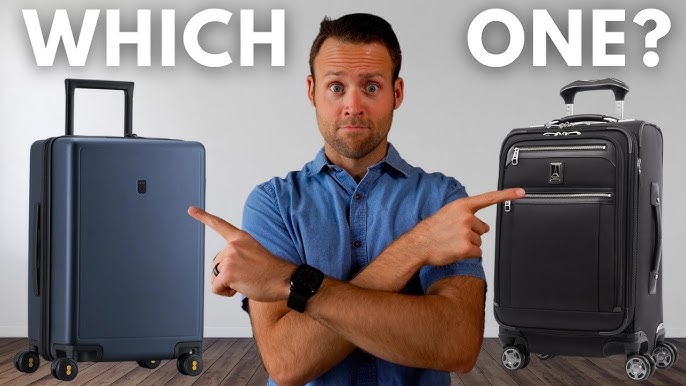
Hardshell luggage: strengths, limits, and best use cases
Hardshell suitcases use polycarbonate, ABS, polypropylene, or aluminum. Polycarbonate is the sweet spot. It is tough, flexible, and resists cracks. ABS is cheaper and lighter, but it can scuff and crack sooner. Aluminum looks premium and protects very well, but it is heavy and dents.
Why choose a hard suitcase:
- Better crush protection for fragile items.
- More water resistance due to sealed shells and tight zippers.
- Added security with integrated TSA locks and one-piece frames.
- Easy to clean. Wipe it down and it looks new.
Limits to consider:
- Fixed shape. It does not flex into tight spaces.
- Scuffs and scratches show on glossy shells.
- Fewer exterior pockets for quick access.
- Some models are heavier than softside rivals.
Best use cases:
- Checked luggage on busy flights.
- Trips with camera gear or souvenirs.
- Wet or snowy seasons.
- Travelers who want a tidy, structured pack.
I often pick a polycarbonate carry-on for tight connections. The shell takes hits from overhead bins and jet bridges. If you ask, Is it better to use a hard or soft suitcase? for camera travel, hard almost always wins.

Softside luggage: strengths, limits, and best use cases
Softside suitcases use ballistic nylon, Cordura, or high-denier polyester. These fabrics resist tears and stretch a bit. That flex is the magic. It makes packing simple and forgiving.
Why choose a soft suitcase:
- Expandable zippers add real capacity.
- Exterior pockets hold chargers, a book, or a light jacket.
- Easier to squeeze into overhead bins or small car trunks.
- Often lighter than hard cases of the same size.
Limits to consider:
- Less crush protection than a shell.
- Water resistance depends on fabric and zippers.
- Fabric can snag or stain on rough belts.
Best use cases:
- Carry-on travel where space is tight.
- Train and car trips with frequent access needs.
- Families who stuff odd shapes and snacks.
- Travelers who value less weight and more pockets.
When friends ask me, Is it better to use a hard or soft suitcase? for carry-ons on full flights, I say soft. It shaves minutes off boarding as it slips into bins with less fuss.
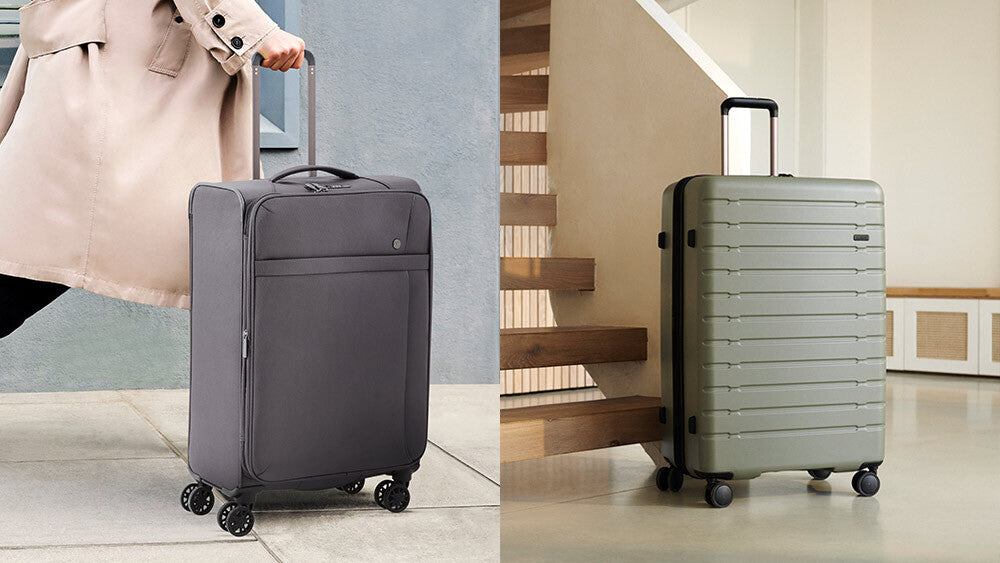
:max_bytes(150000):strip_icc()/tal-hardside-and-softside-luggage-tout-0387b26f8fb64d90ae8988ba51150a19.jpg)
What are the new EU cabin baggage rules? – Avoid Fees and Boarding Delays
Security, durability, and weather protection
Security:
- Hardshell cases often include TSA locks and one-piece frames. That slows quick tampering.
- Softside cases rely on zippers. Use locking zippers or cable ties. A lock is only part of the picture. Keep valuables in your carry-on.
Durability:
- Polycarbonate bends and pops back, which prevents cracks.
- ABS may crack at cold temps or under heavy hits.
- Ballistic nylon resists tears and hides scuffs well.
- High-stress points like wheels and handles fail first on any case. Look for metal wheel axles and solid handle tubes.
Weather:
- Hardshell repels rain. Water can still sneak in through zippers, but far less than softside.
- Softside with coated fabric and water-resistant zippers can perform well, but it needs care.
If you think, Is it better to use a hard or soft suitcase? for rough baggage systems and bad weather, a hard case has the edge.

Packing capacity, weight, and organization
Interior space:
- Hardshell suitcases often split 50/50. This helps organize but limits bulky items.
- Softside cases usually have a deeper main cavity. It swallows boots and jackets with ease.
Weight:
- Softside carry-ons can be 0.5 to 2 pounds lighter than similar hard cases.
- Aluminum cases are the heaviest. Polycarbonate is mid-weight. Seek lighter wheels and frames.
Organization:
- Hard cases use zippered dividers and compression panels.
- Softside cases shine with outer pockets, lid pockets, and suiter panels.
Is it better to use a hard or soft suitcase? for packing bulky layers and gifts, soft tends to win. For tidy, equal halves and easy compression, hard is great.
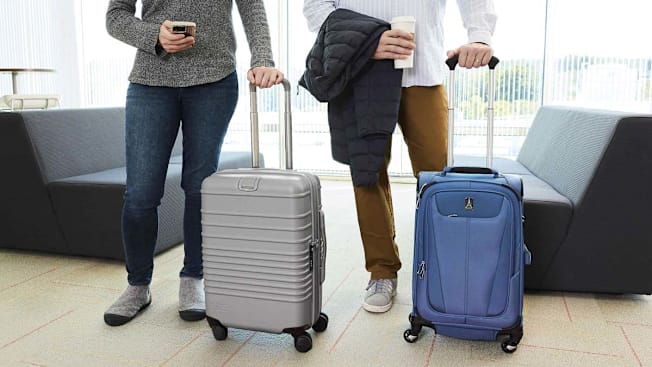
Mobility, comfort, and ease of use
Wheels:
- Four-wheel spinners glide beside you. They are common on both types.
- Two-wheel rollers handle cobblestones and curbs better. Many softside bags still use two rugged wheels.
Handles:
- Test the telescopic handle for wobble. Dual tubes beat single tubes for control.
- Side and top handles should feel padded and firm.
Daily use:
- Hard shells roll smooth in airports but can skid on gravel.
- Softside rollers pull well on uneven paths and stairs.
Is it better to use a hard or soft suitcase? for old towns with stones and steps, I lean soft with two wheels.

Airline rules, carry-ons, and checked baggage realities
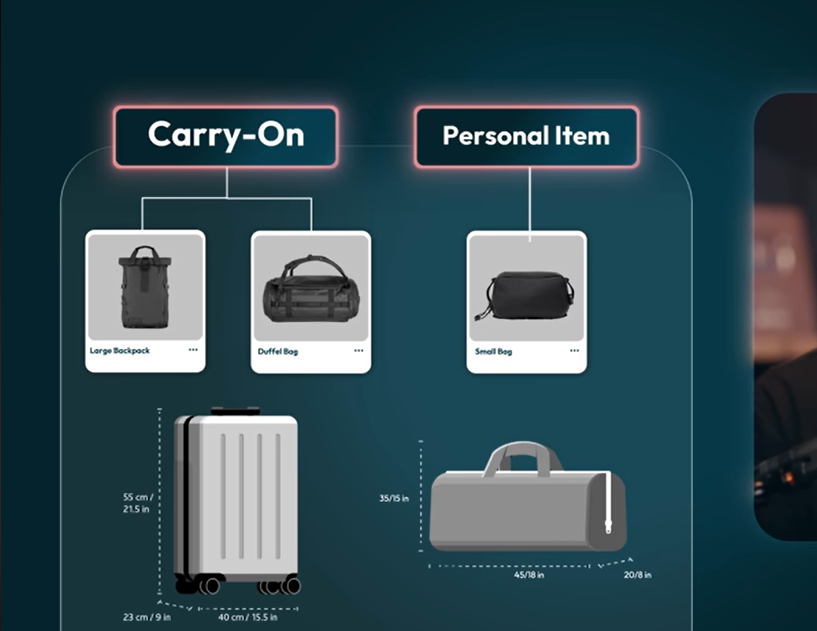
Carry-on sizes in the US often cap at 22 x 14 x 9 inches. In Europe, the height or depth may be tighter. Weight limits vary. Many airlines cap carry-ons at 17 to 22 pounds on international routes.
Realities:
- Hardshell cases with a 50/50 split may be thicker. Watch that 9-inch depth.
- Softside bags compress a little. They can save you from a gate check.
- Checked bags usually have a 50-pound limit. Softside bags help shave weight. Hard cases guard fragile items when they get stacked.
If you keep asking, Is it better to use a hard or soft suitcase? for airlines with strict bins, soft has the edge. For frequent checked travel, hard is safer.
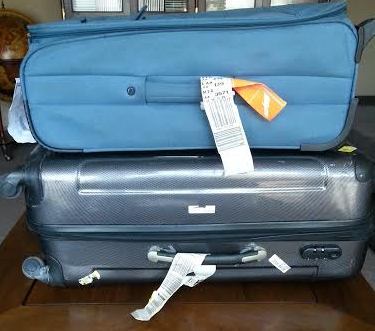
Sustainability, repair, and long-term value
Repairability:
- Softside bags are easier to stitch or patch. Many shops can replace zippers or panels.
- Hard shells are harder to fix at home. Cracks may need pro repair or full replacement.
Longevity:
- Quality wheels and handles extend life far more than shell type.
- Polycarbonate and ballistic nylon both last if treated well.
Footprint:
- Buying one great bag beats replacing cheap ones. Look for brands that sell spare parts and offer repair programs.
Is it better to use a hard or soft suitcase? for long-term value, the “best” is the one you can repair and keep.
My field notes: what actually works on the road
Over the past decade, I have swapped between both styles. On a photo job in winter, my hard case saved two lenses from a baggage drop. On a family road trip, my soft 25-inch roller fit a stroller, coats, and pantry snacks that would not sit in a 50/50 shell.
What I learned:
- For city breaks with tight bins, soft carry-on wins.
- For checked flights with fragile gear, hard medium wins.
- For mixed transport, a soft roller with tough wheels is gold.
So, Is it better to use a hard or soft suitcase? It is better to match the case to the mission.
A simple decision framework
Use this quick flow to pick fast.
If you check bags most of the time:
- Choose hard. Look for polycarbonate, reinforced corners, and good locks.
If you carry on most of the time:
- Choose soft. Get exterior pockets, a strong frame, and two or four good wheels.
If you bring fragile gear or souvenirs:
- Choose hard. Add clothing around items for cushion.
If you pack bulky coats or odd shapes:
- Choose soft. Expansion zippers help a lot.
If you face rain or snow:
- Choose hard or a soft bag with coated fabric and sealed zippers.
Is it better to use a hard or soft suitcase? With this flow, you can say yes to the right one every time.
Key questions at a glance
Is it better to use a hard or soft suitcase for checked bags?
Hard is safer for stacking, impacts, and rain. Add compression cubes to keep fragile items snug.
Is it better to use a hard or soft suitcase for carry-ons?
Soft is easier to fit into tight bins and aisles. Exterior pockets speed security lines.
Is it better to use a hard or soft suitcase for business travel?
Both work. Hard looks sleek and protects suits. Soft gives quick-access pockets for chargers and passports.
Packing tips to get more from any suitcase
Smart packing helps any bag perform better.
Compression and protection:
- Use cubes to compress and sort. They help hardshells and softside bags alike.
- Wrap fragile items in clothes. Put them in the middle of the case.
Weight balance:
- Place heavy items near the wheels to avoid tip-overs.
- Keep essentials in an easy-access pocket or the top half.
Weather and mess:
- Pack a dry bag for wet swimsuits or leaky toiletries.
- Use a luggage cover or a clear wrap if rain is likely.
If your mind goes, Is it better to use a hard or soft suitcase?, remember this: great packing can make either style work better.
Price ranges and what to look for
Budget:
- Under $150 often means basic wheels and zippers. Pick simple designs that you can baby.
- Mid-range gets you stronger frames and better fabrics.
Premium:
- Expect smoother wheels, strong handles, and spare parts support.
- Aluminum is premium but heavy. Polycarbonate or ballistic nylon give best value per pound.
Must-have features:
- Solid wheels and a firm handle.
- YKK or other strong zippers.
- Useful pockets or dividers that match how you pack.
Still wondering, Is it better to use a hard or soft suitcase? Put your money into build quality first. Shell type comes next.
Frequently Asked Questions of Is it better to use a hard or soft suitcase?
Which lasts longer, hard or soft luggage?
Both can last years if built well. Wheels, handles, and zippers decide the lifespan more than shell type.
Are hard suitcases more secure?
They resist slashes and crushing, and many include TSA locks. Still, do not check valuables; keep them with you.
Do soft suitcases weigh less?
Often yes, by about 0.5 to 2 pounds. That can help with airline limits and long walks.
Are hard cases waterproof?
They are water resistant, not fully waterproof. Water can enter through zippers or seams in heavy rain.
Can I carry a suit better in soft luggage?
Softside suiters and garment folders work well. In hard cases, use packing folders and place the suit on top.
What size should I get for a week-long trip?
A 22-inch carry-on with smart packing works for many. If you check, a 24–26 inch bag fits a week with ease.
How do I stop wheels from breaking?
Choose cases with sturdy wheel housings and metal axles. Avoid dragging sideways on rough ground.
Conclusion
Hard cases protect better and shine for checked travel and bad weather. Soft cases pack more, flex into tight spaces, and make carry-on life smooth. Ask yourself how you travel most, what you pack, and where you go. Then pick the shell that serves that path.
Use the decision flow, test your bag at home, and try a short trip. You will feel the difference fast. If this helped, share it with a friend, subscribe for more smart travel guides, or drop your question in the comments.

Md Abdul Muhaimen is an experienced travel content writer and guide who has a Master’s in Information Systems Management from the University of Huddersfield. He is passionate about all things related to travel logistics and trip planning, and has assisted thousands of readers in choosing the proper luggage, knowing which items can be included in carry-on luggage, and understanding an airline’s policy with confidence.
Md Abdul has a sound grounding in systems thinking and data-driven content creation that allows him to bring clarity to complicated travel topics — from comparing the exact sizes of cabin bags from multiple airlines to developing helpful how-to guides to simplify a traveler’s experience.
He actually engages in travel forums on Quora, answers real user questions, and shares insights by posting on Medium blogs
.His work marries first-hand research, consumer-focused advice, and technical accuracy, and he is a voice that can be trusted among the travel and luggage community.