Can I Take a Carry on Luggage And a Backpack? Avoid These Mistakes In 2026
Every travelers question: Can I Take a Carry on Luggage And a Backpack on your next trip? You’re not alone.
Knowing the rules ahead of time can save you from extra fees, stress, and delays. You’ll get clear answers and smart tips to pack efficiently and travel smoothly. Keep reading to find out exactly what you can bring onboard and how to make the most of your luggage allowance.
Carry-on Luggage Rules
Travelers often wonder about the rules for bringing carry-on luggage and a backpack on flights. Carry-on luggage rules vary by airline but follow some common guidelines. Airlines usually allow one carry-on bag plus one personal item, like a backpack or purse. Knowing what counts as each and their size limits makes packing easier. This section explains the key carry-on luggage rules to help plan your trip smoothly.
Airline Policies: You Need To Know
Each airline sets its own policies for carry-on luggage and personal items. Policies differ based on the airline’s size limits, weight restrictions, and fees. Most airlines allow passengers to bring:
- One carry-on bag
- One personal item
Some budget airlines charge for carry-on bags or limit personal items to smaller sizes. Larger airlines often include both items free with your ticket. Airlines may also have rules about what items can go in carry-on bags. These rules include restrictions on liquids, sharp objects, and electronics.
| Airline | Carry-on Bag Allowed | Personal Item Allowed | Additional Fees |
|---|---|---|---|
| Delta | Yes | Yes | No for basic bags |
| Southwest | Yes | Yes | No |
| Spirit | Optional, fee applies | Yes | Yes for carry-on bags |
| American Airlines | Yes | Yes | No for basic bags |
Check your airline’s website before packing. Rules can change and may vary for international flights.
Size And Weight Limits
Airlines limit carry-on size and weight to fit overhead bins and keep safety standards. Most airlines allow carry-on bags with these measurements:
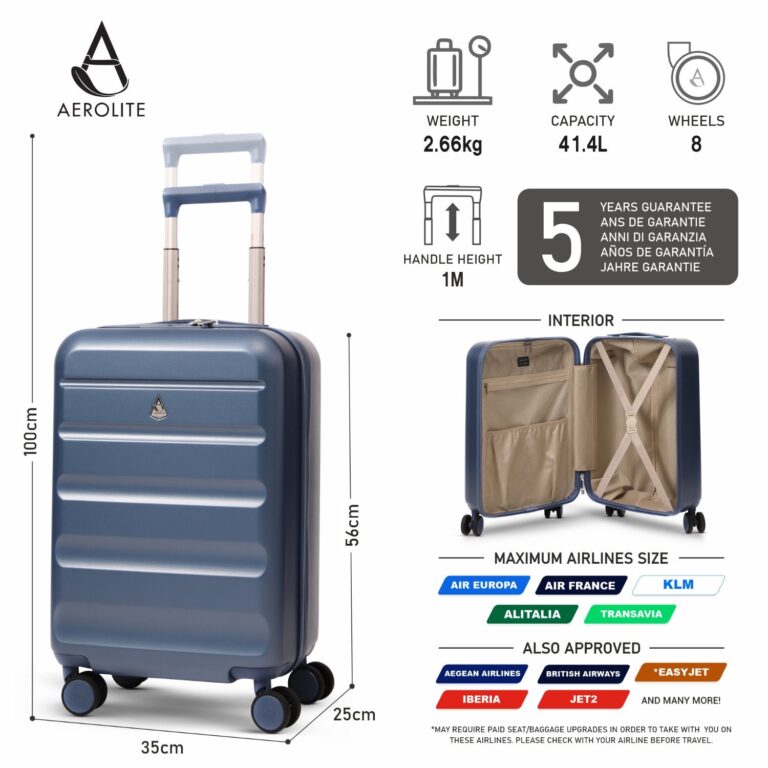
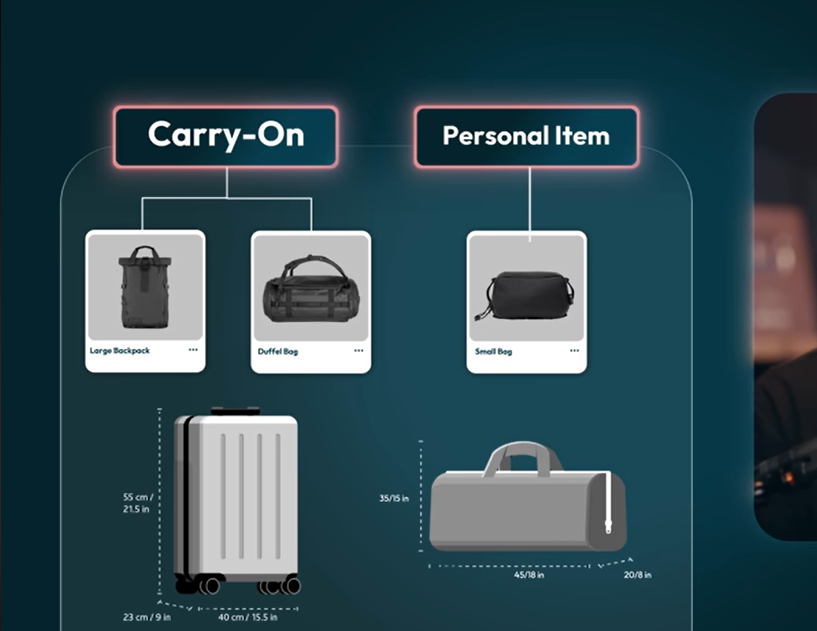
- Dimensions: 22 inches x 14 inches x 9 inches (56 cm x 36 cm x 23 cm)
- Weight: Usually 15 to 22 pounds (7 to 10 kg)
Personal items like backpacks or purses must fit under the seat in front of you. Typical size limits for personal items are:
- 18 inches x 14 inches x 8 inches (45 cm x 35 cm x 20 cm)
- Weight limit is usually lighter, often 7 to 10 pounds (3 to 5 kg)
Airlines weigh carry-on bags at the gate sometimes. Overweight or oversized bags may require checking in and paying fees. Use a luggage scale to avoid surprises.
| Item | Max Dimensions (inches) | Max Weight (lbs) |
|---|---|---|
| Carry-on Bag | 22 x 14 x 9 | 15 – 22 |
| Personal Item | 18 x 14 x 8 | 7 – 10 |
What Airlines Typically Classify As Carry-on Luggage (dimensions, Weight)
Carry-on luggage includes bags passengers bring into the airplane cabin. Airlines classify carry-on bags as medium-sized suitcases or larger bags that fit overhead bins. Common features of carry-on luggage:
- Hard or soft shell suitcase with wheels
- Duffel bags or larger totes
- Dimensions usually around 22 x 14 x 9 inches
- Weight limit about 15 to 22 pounds
Carry-on bags hold clothes, shoes, and essentials for the flight. Airlines require carry-ons to fit in overhead bins for safety. Oversized bags may need to be checked in at the gate. Airlines may reject bags that are too large or heavy.
Pack carry-on bags carefully to maximize space and avoid overweight fees. Use lightweight luggage and compress clothes if needed.
What Counts As A Personal Item (backpack, Purse, Laptop Bag, Etc.)
Personal items are smaller bags allowed in addition to carry-on luggage. These fit under the seat in front of you. Common personal items include:
- Backpacks
- Purses
- Laptop bags
- Small tote bags
- Camera bags
Airlines require personal items to be compact but allow enough room for essentials like electronics, documents, or medication. Typical size limits are about 18 x 14 x 8 inches. Weight limits are usually lighter than carry-on bags.
Personal items must fit under the seat to avoid blocking aisles or emergency exits. Passengers often use backpacks as personal items to carry laptops or snacks. Some airlines may measure personal items at the gate.
Choose a personal item that fits airline rules and holds your important items securely.
Backpack Allowances
Many travelers wonder about bringing a carry-on luggage and a backpack on board. Airlines often allow passengers to carry both items, but rules vary. Understanding backpack allowances helps avoid extra fees or last-minute hassles. Backpacks usually count as a personal item, but size and weight limits apply. Knowing these limits ensures a smooth travel experience.
Common Restrictions
Airlines set specific rules for backpacks. These rules focus on size, weight, and contents. Most airlines allow one personal item, like a backpack, plus one carry-on bag. The backpack must fit under the seat in front of you.
- Size limits: Usually around 18 x 14 x 8 inches (45 x 35 x 20 cm).
- Weight limits: Some airlines limit backpacks to 15-20 pounds (7-9 kg).
- Contents: No sharp objects or liquids over 100 ml.
Here is a table with common backpack size limits for popular airlines:
| Airline | Max Backpack Size (inches) | Weight Limit (pounds) |
|---|---|---|
| Delta | 18 x 14 x 8 | Not specified |
| American Airlines | 18 x 14 x 8 | Not specified |
| United Airlines | 17 x 10 x 9 | Up to 22 |
| Southwest | 18.5 x 13.5 x 8.5 | Not specified |
Backpacks that are too large might count as carry-on luggage instead of a personal item. This can lead to extra fees. Some budget airlines have stricter rules and charge for any extra bags. Airlines also check the backpack at the boarding gate if it looks too big.
Key Differences Between: Carry-on Vs. Personal Item

Travelers often wonder about the rules for bringing both a carry-on luggage and a backpack on flights. It is compulsory for every travelers know the key differences between a carry-on and a personal item helps avoid surprises at the airport. Airlines usually allow one carry-on bag plus one personal item, but these two items differ in size, storage location, and rules.
Size Restrictions: Overhead Bin Vs. Under-seat Storage.
Carry-on luggage and personal items differ mainly in size and where they fit inside the plane. The carry-on bag is larger and fits in the overhead bin. The personal item is smaller and must fit under the seat in front of you.
- Carry-on luggage: Typical size limits range from
22 x 14 x 9 inchesor close. It fits above your seat. - Personal item: Usually smaller, such as a backpack, laptop bag, or purse. It must fit under the seat.
Here is a simple comparison:
| Feature | Carry-On | Personal Item |
|---|---|---|
| Size Limit | Up to 22 x 14 x 9 inches | Smaller; varies by airline, often around 18 x 14 x 8 inches |
| Storage Location | Overhead bin | Under the seat |
| Purpose | Clothes, bigger items, extra shoes | Essentials like electronics, documents, small items |
Personal items must be compact. Carry-ons hold more but must fit the bin size. Airlines may measure bags at the gate, so packing correctly saves time.
Can I Take a Carry on Luggage And a Backpack: TSA Rules Vs Airline Rules.

TSA rules focus on security and what you can bring on board. Airlines set the size and number of bags allowed. Both rules work together but are different.
TSA rules:
- Limit liquids to 3.4 ounces (100 ml) in a 1-quart bag.
- No sharp objects, explosives, or dangerous items.
- All carry-ons and personal items must pass security screening.
Airline rules:
- Limit the number of bags: usually one carry-on and one personal item free.
- Set size and weight limits for carry-ons and personal items.
- Charge fees if bags are oversized or extra.
Even if TSA allows an item, the airline may not if it is too large or heavy. Check both TSA and airline rules before packing.
| Aspect | TSA Rules | Airline Rules |
|---|---|---|
| Focus | Security and safety | Baggage size, weight, and number |
| Bag Size Limits | None (focus on contents) | Strict size and weight limits |
| Prohibited Items | Sharp objects, liquids over limit, weapons | Depends on airline policy (e.g., batteries) |
Practical Example: A 22-inch Roller Bag Vs. A Medium-sized Backpack.
Consider a 22-inch roller bag as a carry-on and a medium-sized backpack as a personal item. The roller bag fits the overhead bin and holds clothes and shoes. The backpack fits under the seat and carries essentials like a laptop, snacks, and documents.
Benefits of the 22-inch roller bag:
- Large capacity for multiple outfits.
- Wheels make it easy to move through airports.
- Meets most airline carry-on size limits.
Benefits of the medium-sized backpack:
- Fits under the seat for easy access.
- Holds electronics, chargers, and personal items.
- Lightweight and comfortable to carry.
Example dimensions:
| Bag Type | Dimensions (inches) | Storage Location | Ideal Use |
|---|---|---|---|
| 22-inch roller bag | 22 x 14 x 9 | Overhead bin | Clothing, shoes, larger items |
| Medium backpack | 17 x 12 x 7 | Under-seat | Electronics, snacks, documents |
This combination maximizes allowed luggage while keeping essentials close. It works well for short and longer trips.
The General Rule: One Carry-on + One Personal Item
Traveling with carry-on luggage and a backpack is common. Most airlines allow one carry-on bag plus one personal item. This rule helps keep overhead bins organized. The carry-on bag usually holds clothes and larger items. The personal item fits smaller essentials like a laptop or handbag.
Typical Airline Allowances
Airlines set specific size and weight limits for carry-ons and personal items. These rules vary but follow a general pattern. Most allow a carry-on bag about 22 x 14 x 9 inches. Personal items must fit under the seat in front. This size is often smaller, like 18 x 14 x 8 inches.
Common personal items include:
- Backpacks
- Laptop bags
- Purses
- Small duffel bags
Weight limits can range from 15 to 40 pounds, depending on the airline. Some budget airlines have stricter rules and smaller size limits.
| Airline | Carry-On Size Limit | Personal Item Size Limit | Weight Limit |
|---|---|---|---|
| Delta | 22 x 14 x 9 inches | 18 x 14 x 8 inches | No weight limit, but must fit overhead or under seat |
| American Airlines | 22 x 14 x 9 inches | 18 x 14 x 8 inches | No specific weight limit |
| Southwest | 24 x 16 x 10 inches | 18.5 x 13.5 x 8.5 inches | No weight limit |
| Ryanair | 21.6 x 15.7 x 7.8 inches | 15.7 x 7.8 x 9.8 inches | 10 kg (22 lbs) combined |
Checking airline rules before travel avoids surprises. It ensures both bags fit size and weight limits. This step can save time and money.
Illustrate With Examples Of Acceptable Combinations: Suitcase + Backpack, Duffel Bag + Laptop Case.
Airlines allow one larger carry-on and one smaller personal item. This means a suitcase plus a backpack is acceptable. Also, a duffel bag plus a laptop case works well.
Examples:
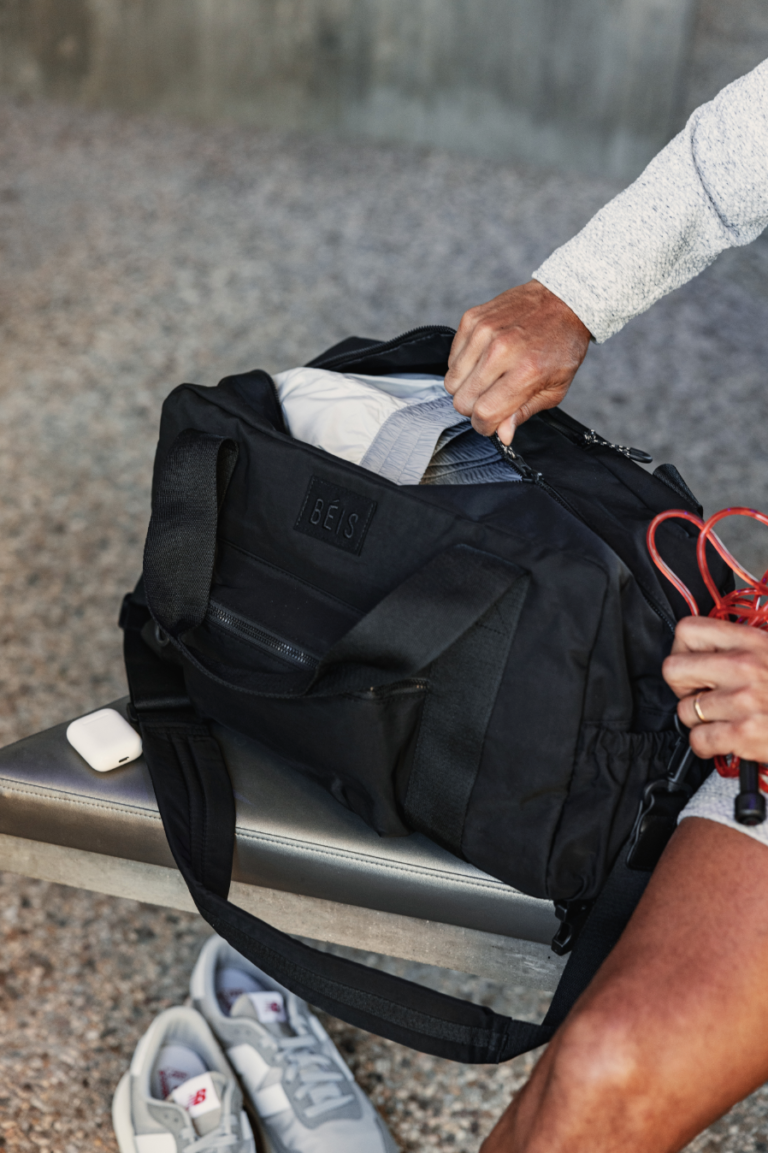
- Suitcase + Backpack: Use a small suitcase as your carry-on. Add a backpack for your personal item. The backpack fits under the seat. It holds your laptop, snacks, and travel documents.
- Duffel Bag + Laptop Case: A soft duffel bag is your carry-on. A slim laptop case or tablet bag is the personal item. Both bags fit airline size limits. This combo is popular for business travelers.
Other combinations include:
- Rolling carry-on bag + purse
- Hard-shell carry-on + camera bag
Each combo follows the one carry-on and one personal item rule. The personal item must fit under the seat, so size matters. Packing smartly keeps you within airline rules and avoids fees.
Tips For Packing Efficiently
Packing efficiently helps fit everything into your allowed bags. Start with a checklist of essentials. Roll clothes to save space. Use packing cubes to organize.
Keep these tips in mind:

- Choose lightweight bags: Heavy bags reduce your packing space.
- Limit liquids: Follow the 3-1-1 rule for liquids in carry-ons.
- Wear bulky items: Jackets and boots take space. Wear them on the plane.
- Use the personal item wisely: Pack electronics, chargers, and important papers there.
- Check airline size limits: Measure your bags before the trip.
Organize smaller items inside your backpack or laptop bag. Keep chargers and snacks easy to reach. Leave heavier items in the carry-on suitcase.
Efficient packing avoids delays at security. It also makes your travel day smoother. You save time and stress by being prepared.
Exceptions And Special Cases
Many travelers wonder about the rules for bringing both a carry-on luggage and a backpack on flights. Airlines often set strict limits on what passengers can bring on board. Yet, there are exceptions and special cases that change these rules. Some airlines allow both items, while others have different policies based on flight type or ticket class.
International Flights
International flights often have more flexible baggage allowances compared to domestic flights. Airlines may permit a carry-on bag plus a personal item, like a backpack or laptop bag. This helps passengers carry essentials without checking extra luggage. However, rules vary by airline and destination.
Common points about international flights include:
- Most airlines allow one carry-on bag and one personal item.
- Personal items must fit under the seat in front of you.
- Size and weight limits differ by airline and route.
- Some airlines offer extra baggage allowance for premium ticket holders.
Here is a quick reference table for international flight baggage policies:
| Airline | Carry-on Size Limit | Personal Item Allowed | Weight Limit |
|---|---|---|---|
| Delta Airlines | 22 x 14 x 9 inches | Yes | 15 lbs total |
| Lufthansa | 21.6 x 15.7 x 9 inches | Yes | 8 kg carry-on + personal item |
| British Airways | 22 x 18 x 10 inches | Yes | 23 kg combined |
Rules can change, so check your airline’s website before packing. Following the size and weight limits avoids extra fees or having to check bags unexpectedly.
Low-cost Carriers
Low-cost carriers usually have stricter baggage rules than traditional airlines. Many only allow a small personal item free of charge. Carry-on luggage often requires an additional fee. These airlines aim to keep ticket prices low by limiting free baggage.
Key points about low-cost carrier policies:
- One small personal item is often free, like a backpack or purse.
- Carry-on bags usually cost extra and must meet strict size limits.
- Paying for priority boarding may allow carry-on luggage.
- Excess baggage fees can be high, so plan carefully.
Below is a comparison of popular low-cost carriers’ policies on carry-on and personal items:
| Airline | Free Personal Item | Carry-on Allowed Free | Carry-on Size Limit | Additional Fees |
|---|---|---|---|---|
| Ryanair | Yes (40 x 20 x 25 cm) | No (unless priority boarding) | 55 x 40 x 20 cm | €6-€15 for carry-on |
| Spirit Airlines | Yes (18 x 14 x 8 inches) | No | 22 x 18 x 10 inches | $35-$65 for carry-on |
| easyJet | Yes (45 x 36 x 20 cm) | No (unless Up Front or Extra Legroom) | 56 x 45 x 25 cm | £6-£12 for carry-on |
Travelers should check baggage rules carefully before booking low-cost flights. Bringing both a carry-on and a backpack might mean extra fees. Packing light keeps travel simple and budget-friendly.
When You Can’t Bring Both
Usually, airlines allow one personal item plus one carry-on bag. But some rules say no to bringing both together. This happens more with certain ticket types and airlines. Knowing when you can’t bring both helps avoid extra fees and hassle at the gate. Airlines set these rules based on aircraft type & overhead space, so not all flights have the same policies.
Basic Economy Restrictions.
Basic economy tickets often come with strict baggage limits. Airlines use this fare type to offer cheaper prices but limit extras like baggage. Usually, you can bring only one small personal item. This means no carry-on luggage in addition to a backpack or purse.
Here are common rules for basic economy:
- One personal item only: A backpack, purse, or laptop bag that fits under the seat.
- No overhead bin access: Carry-on bags that go in the overhead bin are not allowed.
- Boarding last: You board after other passengers and may have to check bags at the gate.
Below is a simple table showing carry-on rules for basic economy:
| Airline | Carry-on Luggage Allowed | Backpack/Personal Item Allowed |
|---|---|---|
| Delta | No | Yes |
| American Airlines | No | Yes |
| United Airlines | No | Yes |
Basic economy fares help airlines manage overhead space. They reduce carry-on bags to keep boarding quick and organized. Passengers should pack light and plan for gate-checked bags if needed.
Budget Airlines (spirit, Frontier).
Budget airlines like Spirit and Frontier have very strict carry-on policies. They focus on low prices but charge extra for almost everything else. This includes carry-on luggage and sometimes backpacks.
Important points about these airlines:
- One free personal item only: Usually a small backpack or purse that fits under the seat.
- Carry-on luggage costs extra: Fees apply for overhead bin bags.
- Aircraft type & overhead space: Smaller planes mean less space, so rules are tighter.
- Boarding priority affects space: Early boarding helps secure overhead bin space.
Spirit and Frontier use narrow-body aircraft with limited overhead bin room. This limits the number of carry-ons allowed on board. Passengers who don’t pay for carry-on bags must check them at the gate and pay a fee.
Here is a fee example for carry-on luggage and personal items:
| Airline | Personal Item | Carry-on Luggage Fee | Gate Check Fee |
|---|---|---|---|
| Spirit | Free | $35-$65 | $65 |
| Frontier | Free | $30-$60 | $60 |
Travelers should check baggage rules before booking. Choosing early boarding or paying for carry-on luggage can save time and money. Always consider aircraft type & overhead space to understand luggage limits better.
U.S. Airline Rules: Side-by-side Comparison
Travelers often wonder, Can I take both a carry-on luggage and a backpack on U.S. airlines? The answer depends on each airline’s rules. Airlines have different policies about what counts as a personal item and what counts as a carry-on bag. Some airlines allow a carry-on suitcase plus a backpack as a personal item. Others have stricter limits. Below is a side-by-side comparison of major U.S. airlines and their policies on carry-ons and backpacks.
Airline-by-airline Table (American, Delta, United, Southwest, JetBlue, Alaska, Spirit, Frontier).
Each airline has its own rules about carry-on luggage and personal items like backpacks. The table below shows the basic policy for the main U.S. airlines.
| Airline | Carry-on Allowed? | Backpack as Personal Item? | Notes |
|---|---|---|---|
| American Airlines | 1 carry-on + 1 personal item | Yes | Personal item must fit under the seat |
| Delta Air Lines | 1 carry-on + 1 personal item | Yes | Backpack counts as personal item if it fits under seat |
| United Airlines | 1 carry-on + 1 personal item | Yes | Personal item includes backpacks and purses |
| Southwest Airlines | 1 carry-on + 1 personal item | Yes | Personal item size is smaller than carry-on |
| JetBlue Airways | 1 carry-on + 1 personal item | Yes | Backpack allowed as personal item |
| Alaska Airlines | 1 carry-on + 1 personal item | Yes | Personal item must fit under seat |
| Spirit Airlines | Carry-on allowed only with fee | Free personal item allowed | Backpack counts as personal item; carry-on fees apply |
| Frontier Airlines | Carry-on allowed only with fee | Free personal item allowed | Backpack allowed as personal item; carry-on fees apply |
Key points:
- Most airlines allow 1 carry-on bag plus 1 personal item like a backpack.
- Spirit and Frontier charge fees for carry-on bags but allow a free personal item.
- Personal item size limits are smaller than carry-on limits.
- Backpacks usually qualify as personal items if they fit under the seat.
Fare Class Differences (basic Economy Vs Regular Economy).
Fare types affect carry-on and personal item rules. Basic economy tickets often have stricter baggage policies than regular economy. Airlines limit what you can bring to save space and reduce costs.
Basic economy passengers usually get only one personal item. Carry-on bags often require an extra fee or are not allowed. Regular economy passengers get both a carry-on bag and a personal item included in the ticket price.
Here are common differences:
- Basic Economy:
- Usually 1 free personal item (backpack or purse).
- Carry-on luggage often requires a fee.
- Some airlines do not allow carry-ons at all in basic economy.
- Boarding is later, so overhead bin space may be limited.
- Regular Economy:
- 1 carry-on bag plus 1 personal item included.
- Priority boarding options available.
- More flexibility with baggage size and weight.
Here is a quick comparison table:
| Fare Class | Carry-on Bag | Personal Item | Additional Fees |
|---|---|---|---|
| Basic Economy | Usually no, or fee required | Yes, free | Often carry-on fees |
| Regular Economy | Yes, free | Yes, free | Usually none for carry-on |
Knowing your fare class helps plan your packing. Avoid surprises at the airport by checking your ticket details before travel.
Travel Hacks For Carrying Both
Traveling with both a carry-on luggage and a backpack can make your journey easier and more comfortable. Carry-on bags hold your clothes and bigger items, while backpacks keep your essentials close. Smart packing and the right choices help you carry both without stress. These travel hacks will help you handle both bags smoothly, save space, and stay organized.
Choosing The Right Backpack
Selecting the right backpack is key. It should be light but strong, with enough room for your important items. Look for a backpack that fits airline size rules for personal items, usually small enough to fit under the seat. Comfort matters too. Padded straps and a back panel reduce strain during long walks or waits.
- Size: Choose a backpack around 18-20 inches tall and 10-14 inches wide.
- Weight: Pick a lightweight design to avoid extra burden.
- Compartments: Multiple pockets help keep things tidy.
- Material: Durable and water-resistant fabric protects your items.
- Security: Look for lockable zippers or hidden pockets.
Here is a quick comparison table of backpack types:
| Backpack Type | Best For | Drawbacks |
|---|---|---|
| Daypack | Light packing, short trips | Limited space for electronics |
| Tech Backpack | Organizing gadgets and documents | Heavier than daypacks |
| Travel Backpack | Longer trips, more storage | Bulky, may not fit under seat |
Maximizing Space
Maximizing space in both your carry-on and backpack keeps you organized and light. Use packing cubes to divide clothes and items. Roll clothes instead of folding to save space and reduce wrinkles. Put heavier items at the bottom of your carry-on to keep balance.
Keep frequently used items in your backpack. This avoids digging through your carry-on often. Use all pockets smartly, including side and front pockets for small items.
- Roll clothes tightly to save room.
- Use compression bags for bulky items like jackets.
- Fill shoes with socks or chargers.
- Layer items inside your backpack for quick access.
Try this packing order to maximize space:
- Start with packing cubes or compression bags in your carry-on.
- Place shoes and heavier items at the bottom.
- Put delicate or easy-to-damage items on top.
- Keep your backpack for personal essentials and items you need during the flight.
Suggestions For Organizing Essentials (travel Documents, Electronics, Medications).
Keeping essentials organized helps avoid stress at security or in transit. Use a small pouch or organizer inside your backpack for travel documents. This includes your passport, boarding pass, ID, and tickets. Keep these items in one place for quick access.
Electronics like phones, chargers, headphones, and tablets should be in a padded compartment to avoid damage. Use cable organizers to prevent tangles. For medications, use a clear, labeled pouch. Keep it in your backpack for easy reach in case you need it during the trip.
- Use a travel document holder or pouch.
- Keep electronics in padded sleeves or compartments.
- Label medication bags and keep a list of prescriptions.
- Have a small first aid kit for emergencies.
Example layout inside your backpack:
| Section | Contents |
|---|---|
| Main Compartment | Electronics, chargers, headphones |
| Front Pocket | Travel documents, boarding pass, passport |
| Side Pockets | Water bottle, snacks |
| Small Zipper Pocket | Medications, first aid supplies |
Frequently Asked Questions
Can I Bring Both Carry On And Backpack On Flights?
Yes, most airlines allow one carry-on luggage and one personal item like a backpack. Always check your airline’s specific size and weight limits before packing.
Does A Backpack Count As A Carry-on Bag?
A backpack usually counts as a personal item, not a carry-on. It must fit under the seat in front of you to qualify.
Are There Size Restrictions For Carry-on And Backpacks?
Yes, airlines set size limits for carry-ons and personal items. Check your airline’s website to avoid extra fees or forced check-ins.
Can I Keep Valuables In My Backpack During The Flight?
Yes, keeping valuables in your backpack is safe and convenient. It stays with you in the cabin, reducing the risk of loss or theft.
Conclusion
You can usually bring a carry-on and a backpack on a plane. Airlines allow one small bag plus one personal item. The backpack often counts as the personal item. Check your airline’s rules before packing. Size and weight limits matter a lot.
Packing smart helps avoid extra fees and stress. Keep essentials in your backpack for easy access. This way, your travel stays smooth and hassle-free. Always plan your luggage to fit airline guidelines. Safe travels start with knowing what you can bring.

Md Abdul Muhaimen is an experienced travel content writer and guide who has a Master’s in Information Systems Management from the University of Huddersfield. He is passionate about all things related to travel logistics and trip planning, and has assisted thousands of readers in choosing the proper luggage, knowing which items can be included in carry-on luggage, and understanding an airline’s policy with confidence.
Md Abdul has a sound grounding in systems thinking and data-driven content creation that allows him to bring clarity to complicated travel topics — from comparing the exact sizes of cabin bags from multiple airlines to developing helpful how-to guides to simplify a traveler’s experience.
He actually engages in travel forums on Quora, answers real user questions, and shares insights by posting on Medium blogs
.His work marries first-hand research, consumer-focused advice, and technical accuracy, and he is a voice that can be trusted among the travel and luggage community.