How Big Is A 10kg Cabin Bag: Size Guide 2026
A 10kg cabin bag is usually a 20–22-inch carry-on around 35–45 liters. Weigh as you go, wear the heavy items, and keep expanders closed.
If you have wondered how big is a 10kg cabin bag, you’re in the right place. I’ve flown on budget and full-service airlines across five continents, tested dozens of carry-ons, and learned what actually fits, what gets weighed, and what gets flagged at the gate. This guide breaks down how big is a 10kg cabin bag in plain terms, with real examples, expert tips, and easy packing wins you can use today.
Size vs weight: what “10kg cabin bag” really means
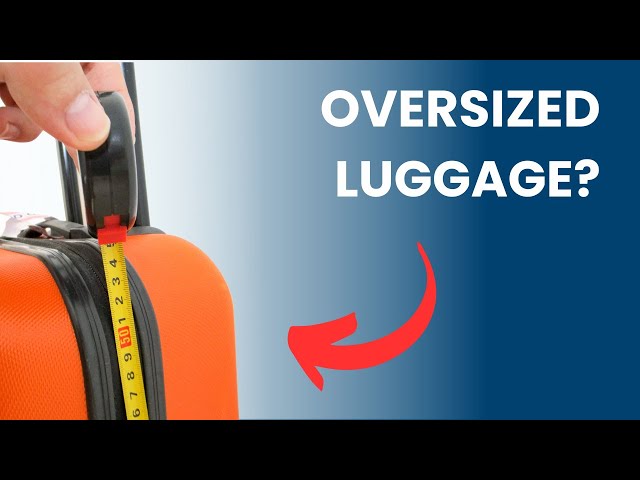
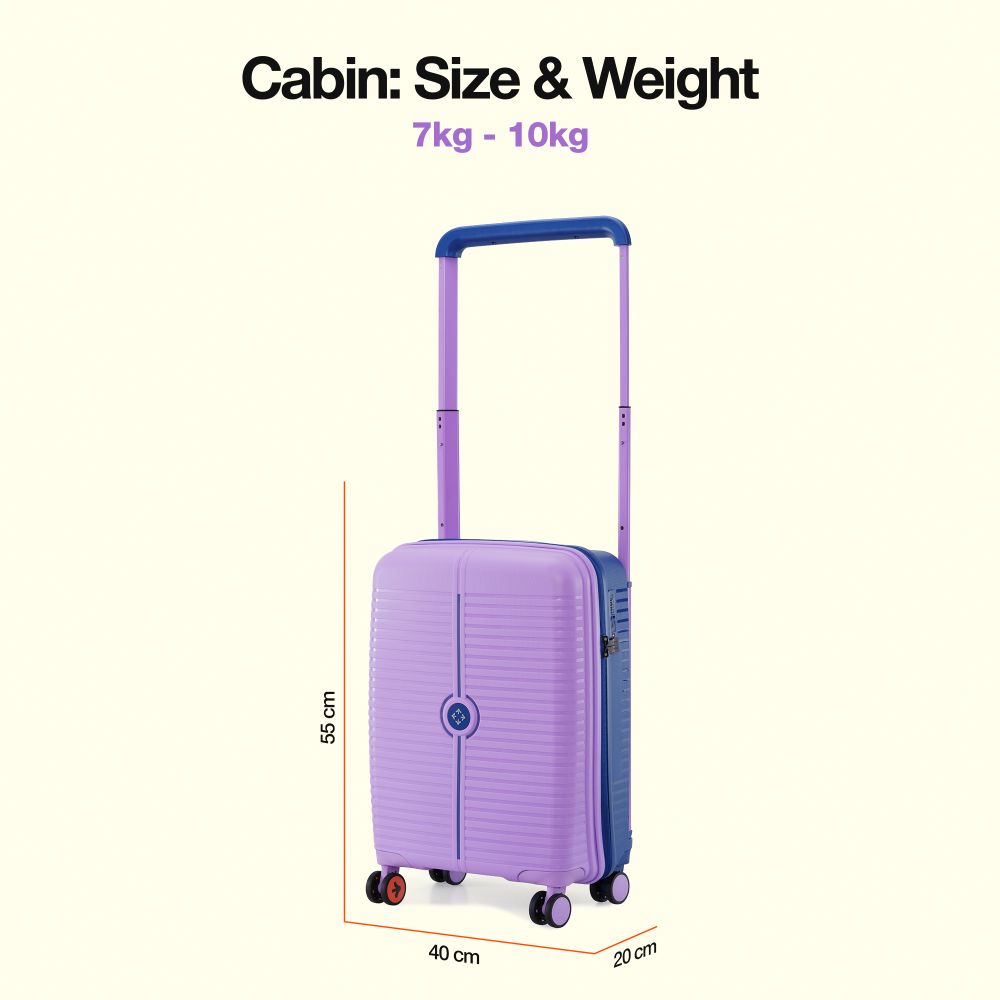
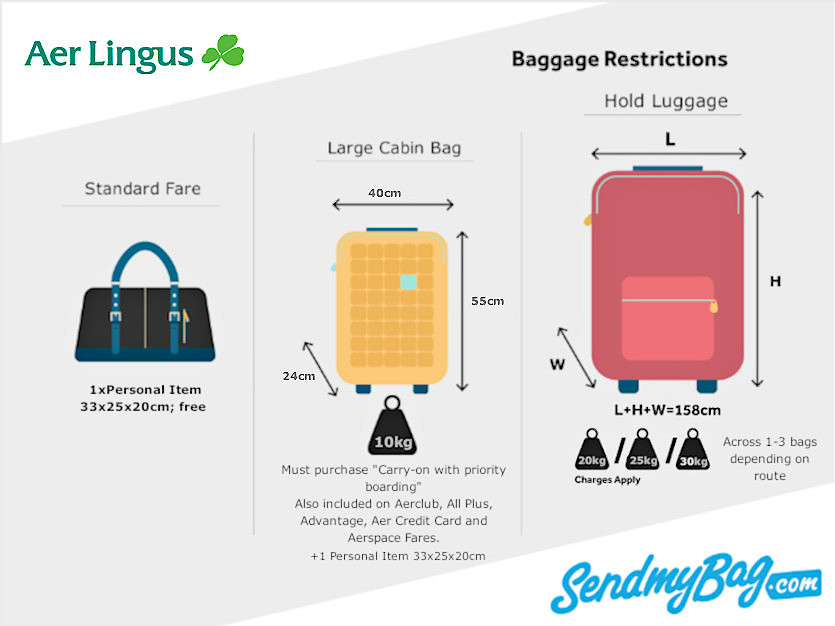
A 10kg limit is about weight, but airlines also set size caps. That means how big is a 10kg cabin bag depends on both what you pack and the external dimensions of the suitcase. Most airlines cap size around 55 x 40 x 20–23 cm or 22 x 14 x 8–9 in.
Here is a simple way to picture it:
- Think of a standard 22-inch carry-on. Internal space is usually 35–45 liters.
- A softside bag of the same size often holds a bit more than a hardshell due to flexible fabric.
- The suitcase itself may weigh 1.8–3.5 kg. That weight counts toward your 10 kg.
If you want a ballpark, how big is a 10kg cabin bag in volume terms? It is close to 38–42 liters when using a light softside or a slim hardshell with compact wheels.
.png)
Airline rules and real examples you can trust
There is no single global rule. Dimensions and weight vary by airline and route. Always check your booking details before you fly. Here are common patterns and examples from current airline policies.
- United States carriers. Typical size is 22 x 14 x 9 in. Most do not set a weight limit for carry-ons, but the bag must be lifted to the bin without help.
- UK and Europe legacy carriers. Size often sits near 55 x 40 x 23 cm. Weight can be 8–12 kg in economy on many airlines.
- Europe low-cost airlines. Ryanair allows a 55 x 40 x 20 cm, 10 kg cabin bag with a paid Priority option. Wizz Air has similar paid options for a trolley bag around 10 kg.
- Middle East and Asia. Many set 7 kg in economy. For example, Singapore Airlines, Emirates, and Qatar Airways list limits near 7 kg with dimensions around 55 x 38–40 x 20–25 cm.
- Australia and New Zealand. Qantas and Jetstar often set 7 kg for one carry-on plus a small personal item.
I’ve had my bag weighed at the gate in Europe and Asia, especially on low-cost carriers. In the US, size gets checked more than weight. These patterns affect how big is a 10kg cabin bag in practice because a stricter airline may limit both size and weight at the same time.

How to pick a bag that works for a 10kg limit
Your bag choice can make or break the 10 kg target. Focus on size, empty weight, and internal layout.
- Pick the right dimensions. Aim for 55 x 40 x 20–23 cm or 22 x 14 x 8–9 in to be safe in most regions.
- Go light. A bag under 2.5 kg gives you more room for clothes and tech.
- Choose smart wheels and handles. Slim wheels and a low-profile handle box save liters.
- Look at real liters, not just size. Brands list internal volume; 35–45 liters is typical for a 22-inch case.
- Consider softside vs hardshell. Softside often has exterior pockets and a little “give.” Hardshell protects better but can eat space with lining and wheel wells.
- Watch expanders. Expanded mode can break size rules. Keep it zipped for flights.
If you are still asking how big is a 10kg cabin bag after comparing models, check the empty weight and true liters first. Those two numbers tell you what will fit without stress.
5 Best 10Kg Cabin Bags for Smart and Stress-Free Travel
Packing strategies to stay under 10kg
You can hit the limit with room to spare. Use these steps that I use on tight-weight airlines.
- Weigh as you pack. A pocket scale saves last-minute panic.
- Wear your heaviest shoes and jacket. Use the pockets for small dense items like chargers.
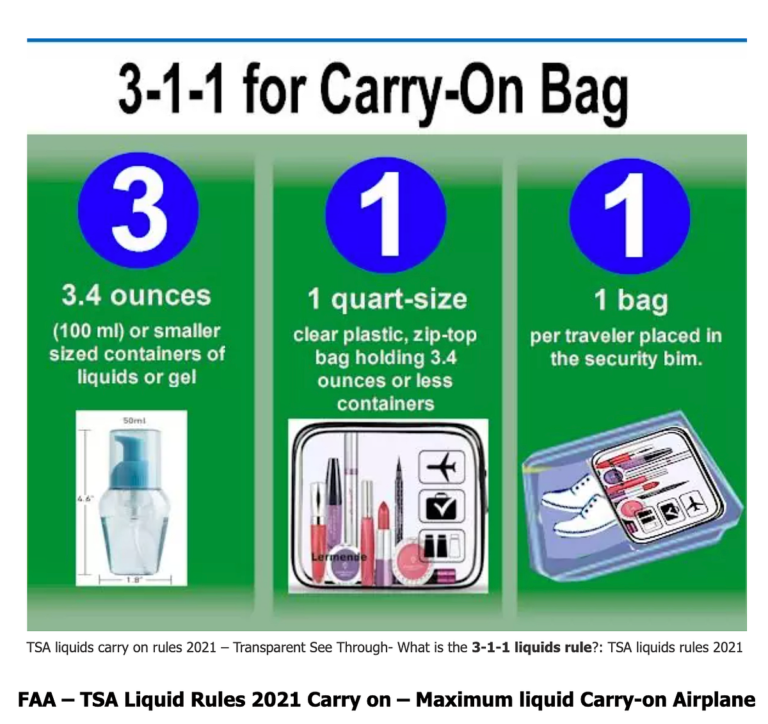
- Use small toiletry bottles. Full-size products add fast weight.
- Roll and cube. Light packing cubes keep outfits sorted and reduce dead space.
- Pick fabrics that do more. Merino or quick-dry items can be re-worn and washed in a sink.
- Keep tech lean. A tablet can replace a laptop if your work allows.
These moves make how big is a 10kg cabin bag feel generous instead of tight.
What actually fits in a 10kg cabin bag: sample loads
Here are real packing sets I have weighed on trips. Your numbers may vary, but these give a solid picture of how big is a 10kg cabin bag in day-to-day travel.
Weekend city break, mild weather
- Bag: 2.1 kg lightweight softside
- Clothes: 2 tees, 1 jeans, 1 light sweater, underwear and socks
- Shoes: 1 extra pair of sneakers
- Toiletries: 0.4 kg
- Tech: phone, small charger, earbuds
- Total: about 6.5–7.5 kg
One-week summer trip
- Bag: 2.5 kg hardshell
- Clothes: 5 tees, 2 shorts, 1 dress or chinos, 1 light sweater, underwear and socks
- Shoes: sandals or flats
- Toiletries: 0.6 kg
- Tech: tablet, compact charger, power bank
- Total: about 8.5–9.8 kg
Cool-weather work trip
- Bag: 2.3 kg softside with laptop pocket
- Clothes: 2 shirts, 2 tees, 1 trousers, 1 jeans, 1 sweater
- Shoes: 1 dress shoes in bag, boots worn on plane
- Outerwear: coat worn on plane
- Toiletries: 0.6 kg
- Tech: 13-inch laptop and charger, 1 kg
- Total: about 9.5–10 kg
From these sets, you can see how big is a 10kg cabin bag in real life. It can hold a week of summer gear or a tight work kit with a laptop.
Common mistakes and how to avoid fees
Airlines care about size and weight and will charge if you break rules. Here is how to stay safe.
- Ignoring the bag’s empty weight. A heavy shell eats your allowance fast.
- Overpacking tech. Two chargers, extra cables, and a big power bank can add a full kilo.
- Using the expander. That zipper can push you over size at the gate.
- Not checking your fare. Many low-cost fares allow only a personal item unless you add a cabin bag.
- Forgetting water weight. Fill your bottle after security, not before the check.
Follow these checks and you will not wonder how big is a 10kg cabin bag at the gate. You will breeze through.
Frequently Asked Questions of how big is a 10kg cabin bag
What are typical dimensions for a 10kg cabin bag?
Most airlines allow around 55 x 40 x 20–23 cm or 22 x 14 x 8–9 in. Always confirm the exact size on your airline’s site before you fly.
How many liters is a 10kg cabin bag?
Internal volume is usually 35–45 liters for a 22-inch carry-on. Actual space depends on wheel wells, lining, and shell shape.
Can I bring a 10kg cabin bag plus a personal item?
Many airlines allow a small personal item like a backpack or purse. Low-cost carriers often charge for the 10 kg trolley and include only a small personal item for free.
Do US airlines enforce the 10kg weight limit?
Most US airlines do not set a weight limit, only size limits. They may still ask you to lift your bag to the overhead bin without help.
Is a hardshell or softside better for a 10kg limit?
Softside bags are lighter and can offer more usable space. Hardshell bags protect well and roll smoothly but may weigh more.
What happens if my cabin bag is over 10kg?
Airlines can require you to check it and charge a fee. At busy gates or on full flights, checks are more common.
How big is a 10kg cabin bag for winter travel?
You can do it with layers and by wearing your heaviest coat and boots. Pack merino or synthetic layers and keep bulky knits to a minimum.
Conclusion
How big is a 10kg cabin bag comes down to smart size, a light shell, and lean packing. A 22-inch carry-on with 35–45 liters is enough for a week if you choose versatile outfits and keep tech simple.
Use this guide to plan your next trip with confidence. Try one packing set above, time yourself, and see how low you can go. If this helped, subscribe for more travel-tested gear picks, packing lists, and flight tips.

Review Editor
Jason, a Utah native, spends as much time as possible immersed in the mountains, taking full advantage of the natural playground around him. An avid hiker and backpacker, he dreams of exploring every trail the world has to offer—if only time and money allowed. So far, he has covered hundreds of miles across iconic landscapes in Iceland, Nepal, and the Patagonia regions of Argentina and Chile. Closer to home, he has roamed extensively through the rugged terrain of the American West, including the Tetons, Yellowstone, the Sierra Nevada, Wind River Range, Uinta Mountains, Sawtooths, Cascades, and the Grand Canyon. Jason fully intends to keep hiking and backpacking for as long as his body will let him.