
 Posted by
 TSA PreCheck helps approved travelers move through airport security faster with fewer screening steps. For many U.S. travelers, TSA PreCheck turns a stressful security line into a simpler part of the trip.
This guide explains how TSA PreCheck works, who can apply, what it costs, how long approval takes, and which mistakes can delay your membership. It also covers airport rules, renewal, family travel, and the difference between TSA PreCheck, Global Entry, and CLEAR.
:max_bytes(150000):strip_icc()/TAL-jfk-airport-tsa-precheck-sign-PRECHECKEXPLAINER0525-1ab90ad48eda4d09b56dae029adeb41d.jpg)
What Is TSA PreCheck?
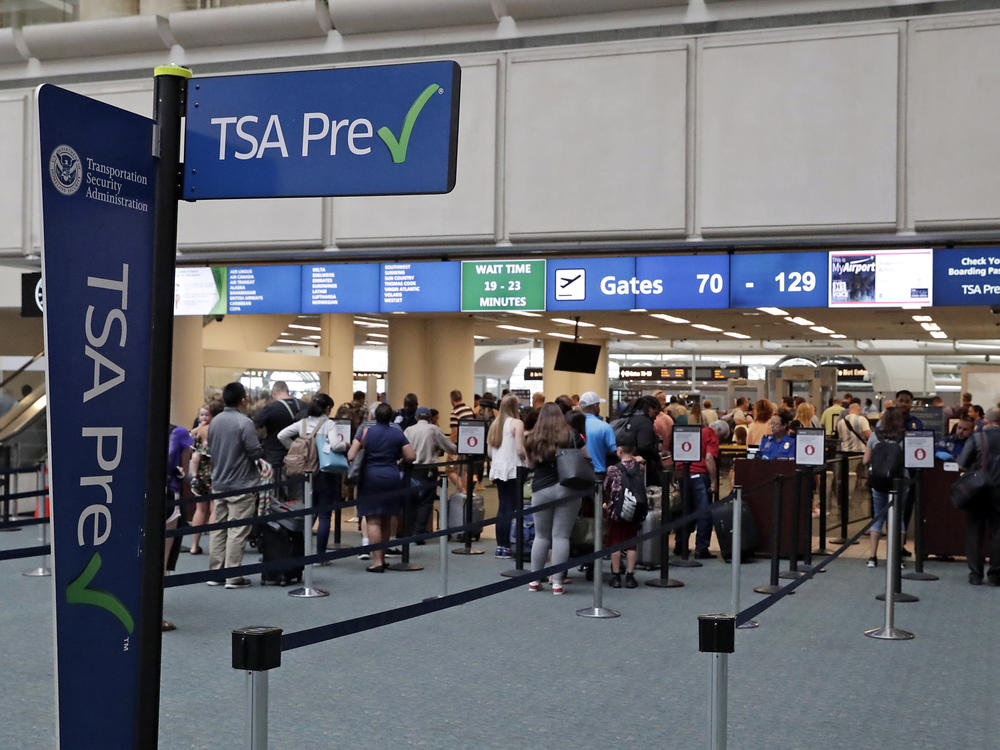
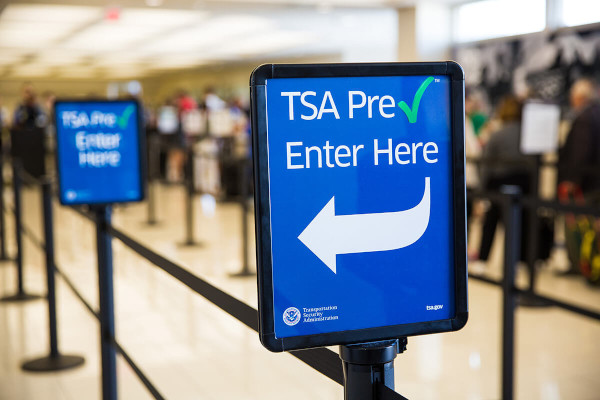
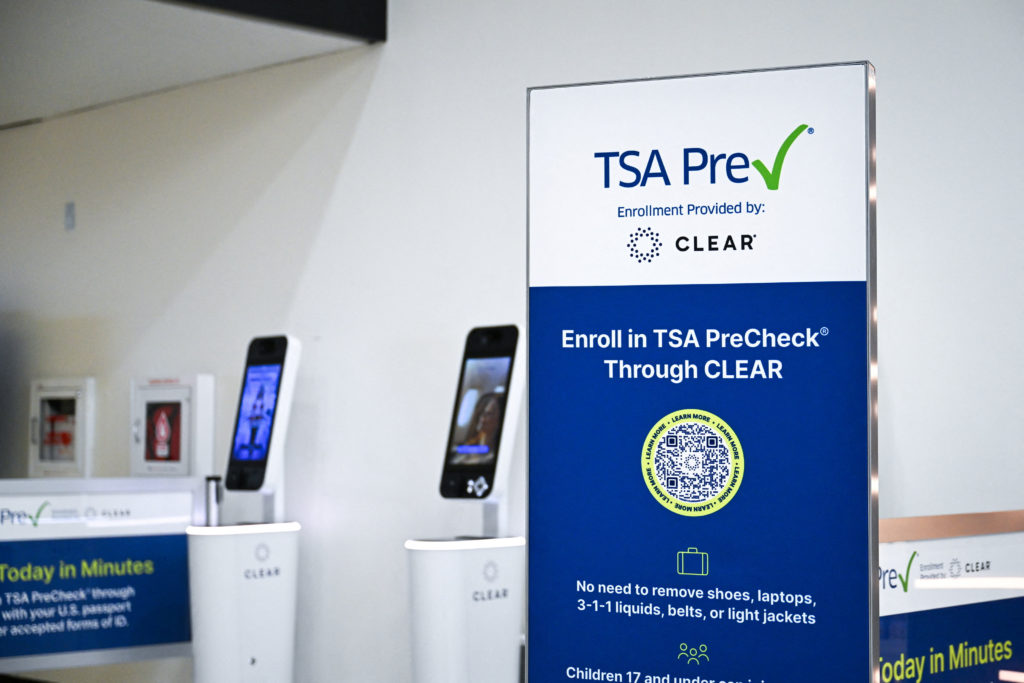
TSA PreCheck is a trusted traveler program run by the Transportation Security Administration. It allows approved, low risk travelers to use special security lanes at participating U.S. airports.
In most cases, TSA PreCheck members do not need to remove:
• Shoes
• Belts
• Light jackets
• Laptops from carry-on bags
• 3-1-1 liquids from carry-on bags
The program does not remove all security checks. TSA may still screen a traveler, bag, or item at any time. Airport rules can also vary based on the terminal, airport, airline, and security conditions.
TSA PreCheck is designed to make airport screening more predictable. It is not a guarantee of faster service, but the dedicated lane is often shorter than the standard lane.
How TSA PreCheck works
After approval, you receive a Known Traveler Number, often called a KTN. You must add this number to the correct frequent flyer profile or reservation before traveling.
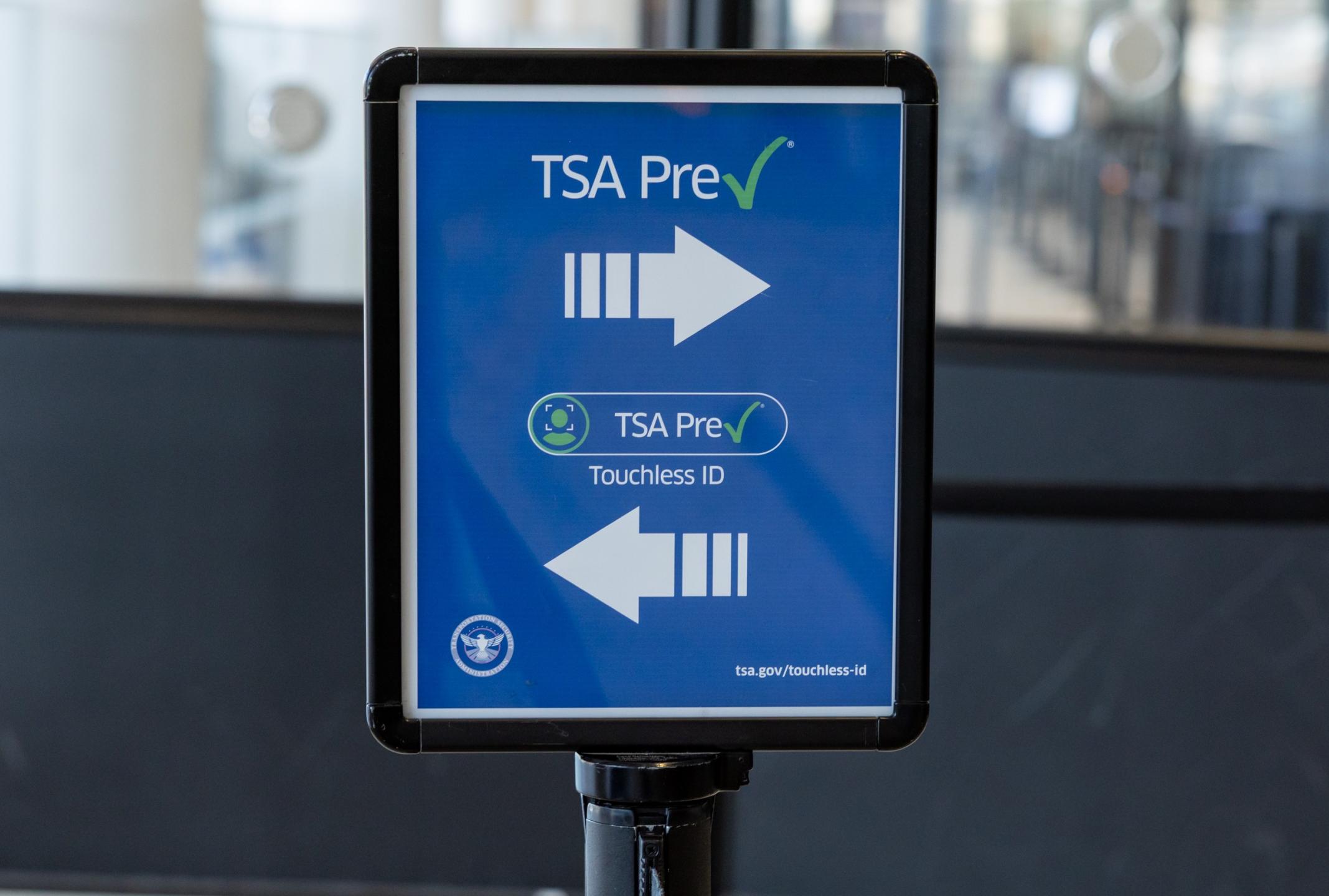
Your boarding pass must also display the TSA PreCheck indicator. If the indicator is missing, you generally cannot use the TSA PreCheck lane, even if your membership is active.
What Is the 3-1-1 Rule for Packing? – Avoid Airport Security Problems
Who Is Eligible for TSA PreCheck?
TSA PreCheck is open to eligible U.S. citizens, U.S. nationals, and lawful permanent residents. Applicants must provide personal information, complete an in-person appointment, and pass a background check.
Eligibility is not automatic. TSA reviews criminal history, immigration status, security concerns, and other factors listed in its official eligibility rules.
Some offenses can lead to permanent ineligibility. Other offenses may cause temporary ineligibility, especially when they involve transportation security, terrorism, or serious criminal activity.
Children can use the TSA PreCheck lane under certain age rules:
• Children 12 and under may usually join a parent or guardian with TSA PreCheck.
• Children ages 13 through 17 may join when they are on the same reservation and the TSA PreCheck indicator appears on their boarding pass.
• Children traveling alone generally need their own eligibility and proper airline documentation.
Rules can change, so check current TSA guidance before a family trip. A parent’s membership does not automatically give every family member full TSA PreCheck status.
TSA PreCheck Cost and Membership Length
The TSA PreCheck fee depends on the enrollment provider and the application method. The standard membership period is five years.
Current fees can change, so confirm the exact amount on the official enrollment website before applying. Typical costs include:
• New application: Around $78 online
• In-person application: Around $85
• Online renewal: Around $70
• In-person renewal: The fee may vary by provider
TSA PreCheck fees are generally nonrefundable. If your application is denied, you may not receive the fee back.
Some travel credit cards and loyalty programs reimburse TSA PreCheck or Global Entry fees. Check your card’s terms, including the payment method, reimbursement schedule, and benefit limits.
A useful tip is to pay the fee with a card that offers this credit. However, do not choose a card only for this benefit. Compare the annual fee, travel rewards, and other protections first.
How to Apply for TSA PreCheck
The TSA PreCheck application process is simple, but accuracy matters. Small errors in your name, birth date, citizenship details, or travel documents can slow the review.
Follow these steps:
- Visit the official TSA enrollment page.
- Start the application online.
- Enter your legal name and personal details.
- Select an enrollment location.
- Schedule an in-person appointment.
- Bring the required identity and citizenship documents.
- Complete fingerprinting and a background check.
- Pay the application fee.
- Wait for the decision and your Known Traveler Number.
The online form usually takes only a short time. The appointment often takes about 10 minutes, although wait times depend on the location.
At the appointment, an enrollment provider may confirm your identity, review your documents, take fingerprints, and collect payment. The provider may ask about citizenship, immigration history, and other background details.
Documents you may need
Document rules depend on your citizenship and legal status. Common documents include:
• A valid U.S. passport
• A passport card
• A driver’s license and birth certificate
• Permanent resident documentation
• Other approved identity and citizenship documents
Use the official document checklist before your appointment. An expired or damaged document may not be accepted.
How Long Does TSA PreCheck Approval Take?
Many applicants receive a decision within a few days, but some applications take longer. TSA states that approval can take several weeks in certain cases.
The timeline may depend on background checks, fingerprints, document issues, name changes, or additional review. Do not apply the day before a major trip and expect guaranteed approval.
You can check your application status through the enrollment provider or the official TSA process. Once approved, your Known Traveler Number may take several days to connect with airline systems.
A common mistake is booking a flight before the KTN is active and assuming the number will appear automatically. It may not. Add the KTN to your airline profile and verify it on each reservation.
How to Use TSA PreCheck Correctly
Having a TSA PreCheck membership is only one part of the process. You must connect the membership to your flight reservation.
Use this checklist before each trip:
• Enter your full legal name as it appears in your TSA record.
• Add your Known Traveler Number to the airline profile.
• Include your date of birth correctly.
• Add a redress number only if one was issued to you.
• Check that your airline participates in TSA PreCheck.
• Confirm that the TSA PreCheck mark appears on your boarding pass.
If the mark is missing, contact the airline before arriving at the airport. The airline may need to correct your name, birth date, or Known Traveler Number.
Do not add your KTN to a reservation under a nickname if your official record uses a legal name. Even a small mismatch can prevent the indicator from appearing.
What if TSA PreCheck is missing from your boarding pass?
First, check your airline profile and reservation details. Confirm that your name, birth date, and Known Traveler Number match your TSA record.
If the information is correct, ask the airline to review the reservation. TSA officers at the checkpoint usually cannot add the benefit to a boarding pass.
Benefits of TSA PreCheck
The main benefit of TSA PreCheck is a simpler airport security process. Travelers often save time because they can keep on shoes and leave many electronics and liquids in their bags.
Other benefits include:
• Access at hundreds of participating U.S. airports
• More predictable screening procedures
• Less unpacking at the security belt
• Easier travel for frequent flyers
• Potential savings in time and stress over five years
TSA has reported that most TSA PreCheck travelers wait less than 10 minutes in the dedicated lane. Wait times can still rise during holidays, weather events, airport disruptions, and busy morning periods.
The program may be especially useful for people who fly several times a year. For occasional travelers, the value depends on the application cost, airport access, and personal tolerance for standard security lines.
TSA PreCheck does not provide access to airport lounges. It also does not replace a passport, visa, or airline check-in process.
TSA PreCheck Limitations and Disadvantages
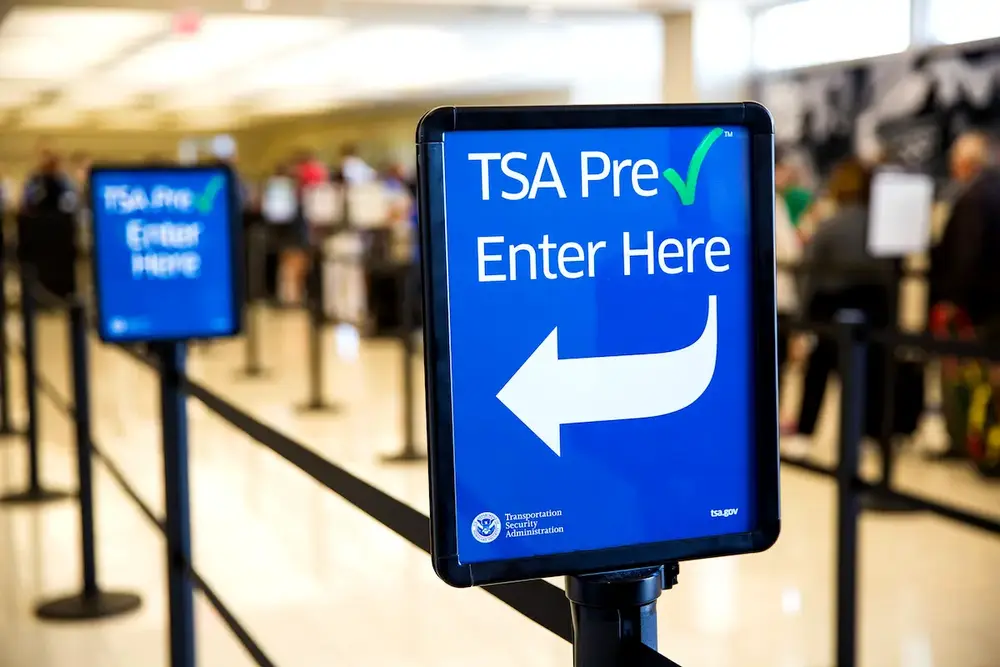
TSA PreCheck is helpful, but it has limits. It does not guarantee access on every flight or at every airport.
Important limitations include:
• The TSA PreCheck lane may be closed at some airports or times.
• Your boarding pass may not receive the indicator.
• TSA can perform extra screening.
• Your membership does not cover adult companions automatically.
• Some airlines or flight routes may not support the benefit.
• You still need to follow all security and baggage rules.
You also cannot assume that TSA PreCheck applies to every traveler on your reservation. Adults usually need their own membership unless a specific child age rule applies.
Another limitation is that TSA PreCheck does not control airline delays, passport checks, customs lines, or baggage claim. It only applies to the security screening stage.
TSA PreCheck vs. Global Entry vs. CLEAR
These programs solve different travel problems.
TSA PreCheck
TSA PreCheck helps with security screening before domestic flights and some international departures from U.S. airports. It is usually the simplest option for travelers who mainly fly within the United States.
Global Entry
Global Entry provides expedited processing when eligible travelers return to the United States from abroad. Global Entry membership also includes TSA PreCheck benefits.
The application process is more detailed. Applicants must complete a background review and attend an interview with U.S. Customs and Border Protection.
CLEAR
CLEAR uses identity verification, including biometric technology, to help members move through the document-check stage at some airports. It does not replace TSA screening and does not provide the same benefits as TSA PreCheck.
Some travelers use TSA PreCheck and CLEAR together. One helps with the security screening process, while the other may speed up identity verification.
A simple choice guide looks like this:
• Fly mostly within the United States: TSA PreCheck may be enough.
• Travel internationally often: Global Entry may offer greater value.
• Want to speed up the identity-check line: Consider CLEAR where available.
• Want broad benefits with one application: Compare Global Entry and TSA PreCheck costs, interview access, and travel habits.
TSA PreCheck for International Travel
TSA PreCheck can help when departing from a U.S. airport on an international flight, if the airport and airline support the program. It does not provide faster immigration or customs processing in another country.
For international arrivals, Global Entry is usually the program designed to speed up U.S. customs processing. Some airports may also offer other passport control tools, such as mobile passport services.
Always check the airport and airline details before travel. International terminals can have different security layouts and operating hours.
How to Renew TSA PreCheck
You may renew TSA PreCheck online before your membership expires. TSA encourages members to begin renewal several months before the expiration date.
Early renewal can help prevent a gap in membership. In many cases, renewing before expiration may also extend your new membership from the old expiration date rather than the renewal date.
To renew:
- Go to the official TSA renewal page.
- Enter your current membership information.
- Confirm your identity and personal details.
- Pay the renewal fee.
- Update your information if needed.
Some travelers may be asked to attend another appointment. This can happen when information has changed or additional verification is needed.
Update your name, address, citizenship details, or other personal data when required. Keeping your record accurate helps avoid problems with future reservations.
Common TSA PreCheck Mistakes to Avoid
Many travel problems come from simple data errors rather than a problem with eligibility.
Avoid these mistakes:
• Applying through an unofficial website that charges extra fees
• Using a nickname instead of your legal name
• Entering the wrong date of birth
• Forgetting to add the KTN to a frequent flyer profile
• Assuming approval means the boarding pass will update automatically
• Waiting until the day before a trip to apply
• Bringing incomplete identity documents to the appointment
• Assuming every adult in the group has TSA PreCheck
• Taking prohibited items through security
• Ignoring an expired membership
Review your reservation after adding your KTN. Look at the actual boarding pass, not just the airline profile. The TSA PreCheck indicator is the clearest sign that the benefit is active for that trip.
Practical Tips for a Smoother Airport Experience
TSA PreCheck can reduce stress, but good travel habits still matter. Arrive early enough to handle parking, baggage drop, airport construction, and unexpected lines.
Keep your identification easy to reach. Do not place your passport or driver’s license deep inside a packed bag.
Before leaving home:
• Check your flight status.
• Confirm the TSA PreCheck indicator.
• Review current baggage and security rules.
• Pack liquids in containers allowed by the 3-1-1 rule.
• Remove prohibited items from your carry-on.
• Keep medication and important documents accessible.
A helpful habit is to check your reservation several days before departure and again after online check-in. Airline systems can update passenger information, and errors are easier to fix before you reach the airport.
Is TSA PreCheck Worth It?
For frequent domestic travelers, TSA PreCheck is often worth the fee. Five years of access can cost less than a single expensive airport delay, especially for people who travel during busy periods.
It may be less valuable if you fly only once every few years, rarely use participating airports, or already have Global Entry. In that case, compare the cost and practical benefits before applying.
Consider these questions:
• How many flights do you take each year?
• Do your usual airports offer TSA PreCheck?
• Do you travel with adults who are not members?
• Will a credit card cover the fee?
• Do you also need faster customs processing?
Think of TSA PreCheck as a convenience plan, not a promise. Its value grows with frequent use and good preparation.
TSA PreCheck Frequently Asked Questions
How much does TSA PreCheck cost?
The application fee is commonly around $78 online, although fees can change. In-person applications and renewals may have different prices, so check the official enrollment provider before paying.
How long is TSA PreCheck valid?
TSA PreCheck membership normally lasts five years. You can usually renew online before it expires, but some applicants may need another appointment.
Can I apply for TSA PreCheck online?
You can begin the application online, but most applicants must complete an in-person appointment. The appointment includes identity checks, fingerprints, document review, and payment.
Does TSA PreCheck guarantee a shorter line?
No. TSA PreCheck offers access to a dedicated screening lane, but wait times depend on airport traffic, staffing, and operating hours. TSA may also close a lane or perform additional screening.
Can my spouse use TSA PreCheck with me?
An adult spouse generally cannot use the TSA PreCheck lane only because you have membership. Each eligible adult should apply separately, while children may qualify under TSA’s family travel rules.
Does TSA PreCheck include Global Entry?
No. TSA PreCheck and Global Entry are separate programs. Global Entry includes TSA PreCheck benefits for eligible members, but TSA PreCheck alone does not provide expedited customs processing.
Why is TSA PreCheck missing from my boarding pass?
The most common causes are an incorrect Known Traveler Number, a name or birth date mismatch, or an airline system issue. Check your reservation details and contact the airline if the information is correct.
Can lawful permanent residents apply for TSA PreCheck?
Yes, lawful permanent residents may be eligible to apply. They must meet the program’s requirements and provide approved identity and immigration documents.
Conclusion
TSA PreCheck can make airport security easier by reducing the need to remove shoes, belts, laptops, and small liquid bags. The program costs a fee, requires an in-person appointment, and does not guarantee access on every flight, but it can be valuable for frequent travelers.
Apply through an official enrollment provider, enter your information carefully, and confirm that your Known Traveler Number appears on each reservation. Compare TSA PreCheck with Global Entry and CLEAR before choosing the program that fits your travel habits. Check the latest official rules before your next trip, and share your own airport tips in the comments.

Md Abdul Muhaimen is an experienced travel content writer and guide who has a Master’s in Information Systems Management from the University of Huddersfield. He is passionate about all things related to travel logistics and trip planning, and has assisted thousands of readers in choosing the proper luggage, knowing which items can be included in carry-on luggage, and understanding an airline’s policy with confidence.
Md Abdul has a sound grounding in systems thinking and data-driven content creation that allows him to bring clarity to complicated travel topics — from comparing the exact sizes of cabin bags from multiple airlines to developing helpful how-to guides to simplify a traveler’s experience.
He actually engages in travel forums on Quora, answers real user questions, and shares insights by posting on Medium blogs
.His work marries first-hand research, consumer-focused advice, and technical accuracy, and he is a voice that can be trusted among the travel and luggage community.