Real-World Tested Travelpro Maxlite 5 Softside Carry-On Luggage: Does the Maxlite 5 Live Up to the Hype?
Choosing a carry-on sounds easy until you have to live with it in a busy airport. A bag may look neat at home, yet feel heavy after a long walk, tip when full, or fail to fit in the overhead bin. The best carry-on luggage must balance size, weight, storage, wheels, and daily comfort.
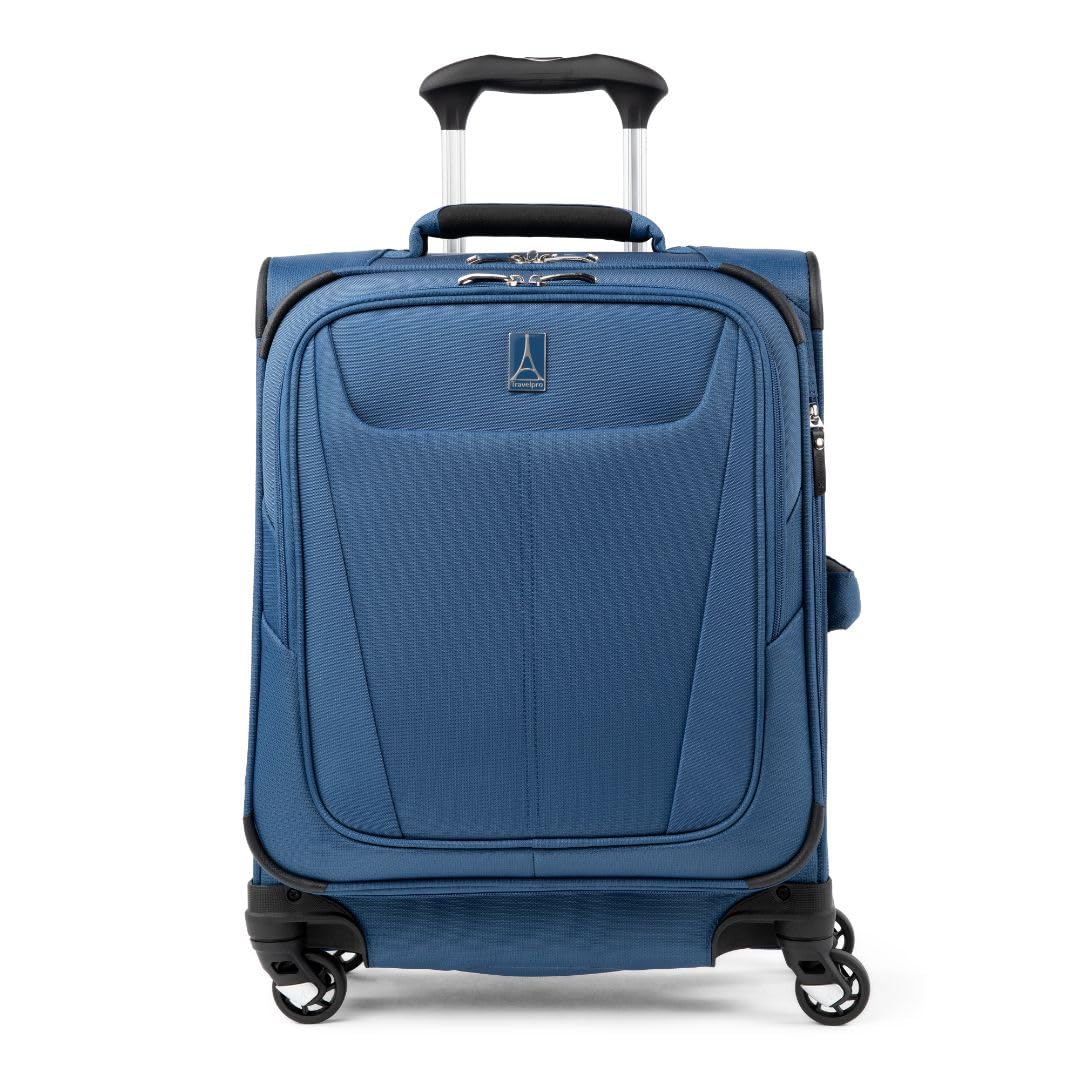
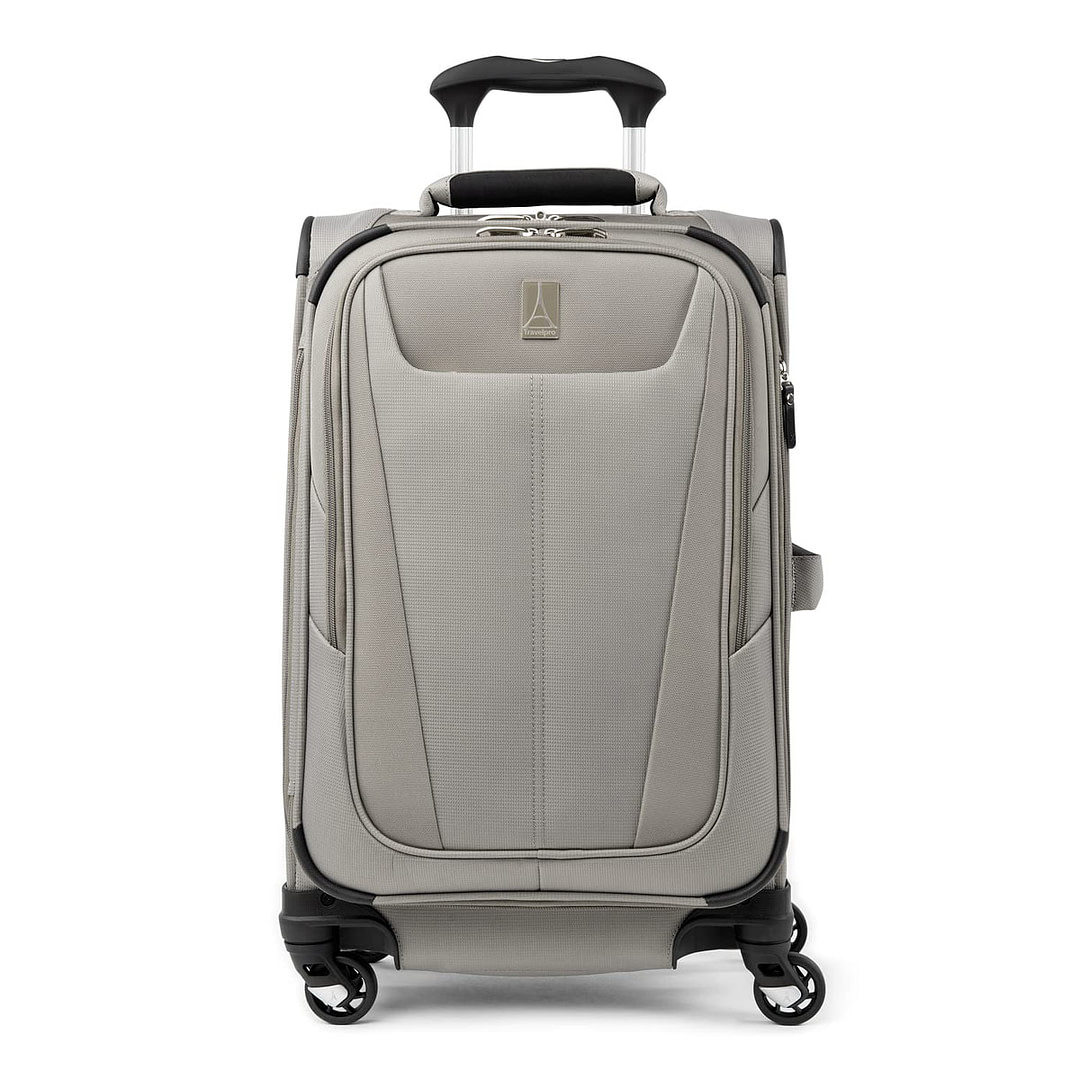
The Travelpro Maxlite 5 Softside Carry-On Luggage is built around that balance. It is a lightweight spinner with a soft polyester body, outside pockets, flexible storage, and a design made for frequent travel. It is not a perfect bag for every traveler. Still, it solves many common carry-on problems.
In this review, I look at how the Travelpro Maxlite 5 performs in real travel situations. I focus on packing space, airline fit, wheel movement, handle comfort, fabric, durability, and the limits of softside luggage. The goal is simple: help you decide if this carry-on matches the way you travel.

Why I Tested the Travelpro Maxlite 5 Instead of Just Listing Its Features
Buying a carry-on is less about counting pockets and more about avoiding daily travel stress. You want a bag that is light before you pack it, easy to lift when full, and small enough for most airline rules. You also want space for real items, such as shoes, a jacket, a laptop, and toiletries.
A suitcase can have a long list of features and still be annoying. The wheels may drag. The handle may feel loose. The bag may become too wide when expanded. A practical carry-on must work when you are late for a flight, walking on rough pavement, or trying to fit one last shirt inside.
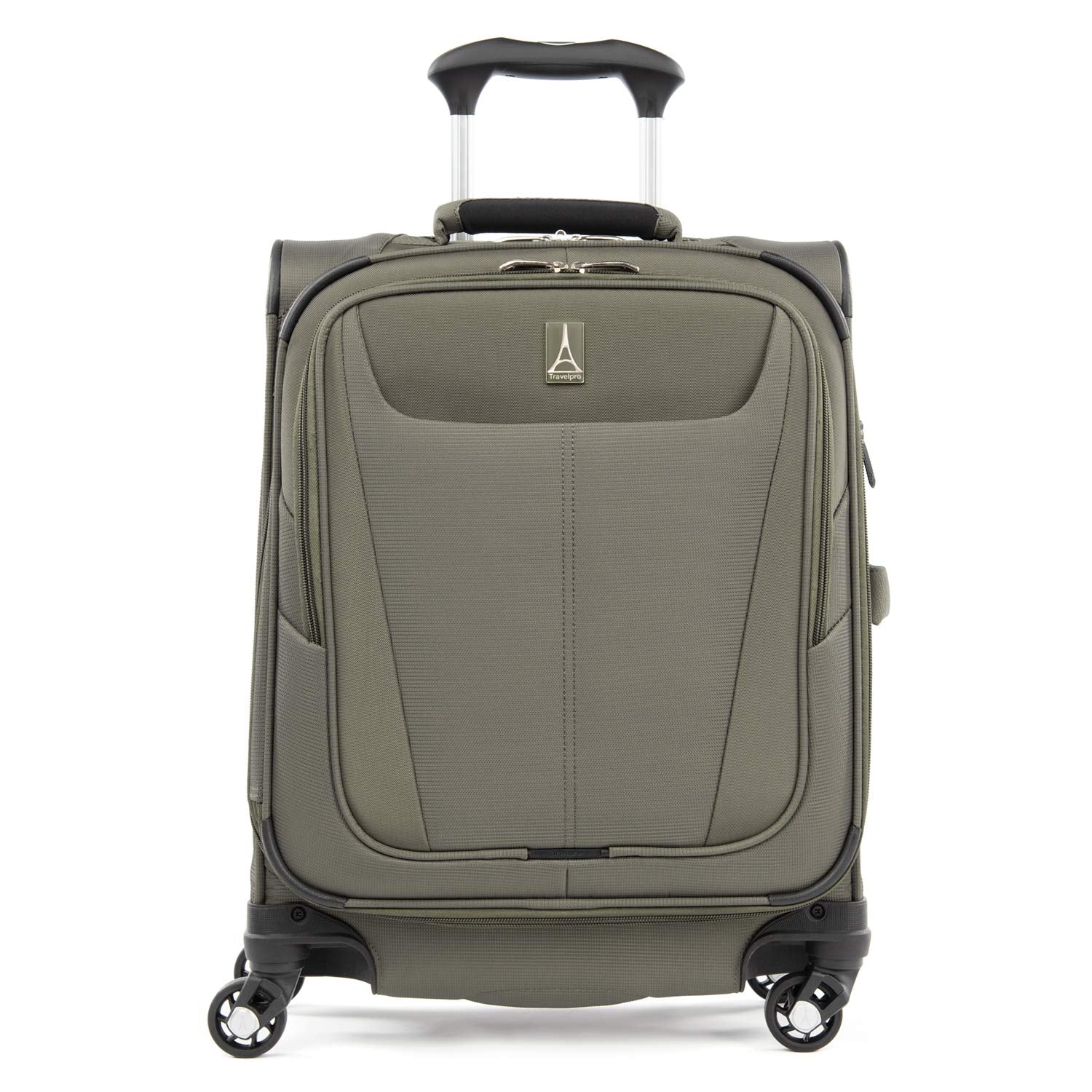
The carry-on problems this review focuses on
The first question is whether the Travelpro Maxlite 5 is truly lightweight once packed. Its empty weight matters, but the loaded weight matters more. A light suitcase gives you more weight for clothes and gear before you reach an airline limit.
I also looked at whether it fits common airline carry-on limits. Airline rules can vary by carrier, route, and fare type. A bag that fits one airline may be too wide or too deep for another, especially when its expansion zipper is open.
The packing test focused on a normal short trip. I considered three to five days of clothing, shoes, toiletries, electronics, and a jacket. This is more useful than quoting capacity alone because travelers rarely pack empty space. They pack items with odd shapes and different weights.
The review also considers airport movement. Is the bag easy to roll beside you? Does it turn well in a crowded line? Is the handle stable? Can you lift it into an overhead bin without strain?
Finally, softside protection deserves a fair look. A fabric suitcase can be flexible and easy to access, but it does not protect fragile items like a hard shell. I wanted to see where that flexibility helps and where it becomes a trade-off.
Travelpro Maxlite 5 Specs That Matter in Real Travel
The Travelpro Maxlite 5 is a softside carry-on spinner made for travelers who want low weight and easy movement. The common international carry-on spinner model measures about 21.75 inches high, 15.75 inches wide, and 9 inches deep, including the wheels and handle structure.
Its empty weight is commonly listed at about 6.3 pounds. Capacity is roughly 46 liters, though exact details may vary by model, market, or version. Always check the product listing before buying because Travelpro offers different Maxlite 5 sizes and configurations.
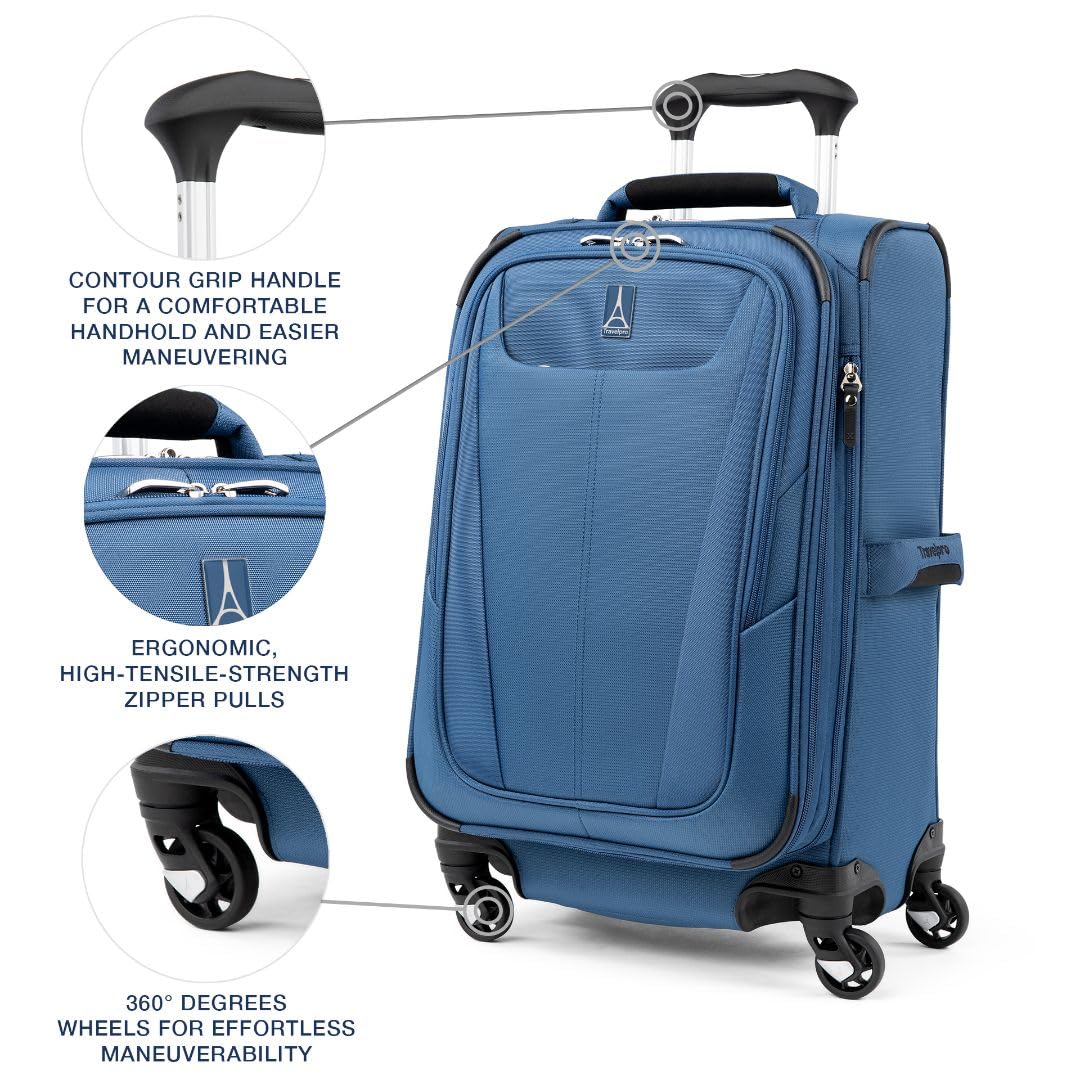
Size, weight, capacity, and materials
The main Maxlite 5 carry-on uses polyester softside construction. Polyester is a common luggage fabric because it is light, flexible, and fairly easy to clean. The fabric body can compress slightly when placed in a tight overhead bin.
The bag has a telescoping handle with multiple height settings. It also uses spinner wheels, which let the suitcase roll upright in any direction. That design is useful in airports because you do not always have room to pull a bag behind you.
The exterior pockets are one of the most useful parts of the design. They give you fast access to travel papers, a tablet, a charger, or a light jacket. You do not need to open the main case each time you need a boarding pass.
Inside, the suitcase has zippered storage areas and compression features. These help separate small items from clothes. The soft body also gives you more freedom to pack around items that do not fit neatly in a box-shaped space.
The listed dimensions are more important than the name “carry-on.” Airlines measure luggage from the outside. That often includes wheels, handles, and other parts that extend from the case. A suitcase can look small but still exceed a limit by an inch.
The Maxlite 5 is close to the common U.S. carry-on size used by many major airlines. However, close does not mean universal. Some international and budget airlines use smaller limits, so you must compare the bag with the exact rule for your flight.
What the lightweight design means when packing
The main benefit of a light carry-on is simple: more of the airline weight limit goes toward your belongings. If your suitcase weighs 6.3 pounds empty, you have much more usable weight than you would with a 10-pound hard case.
That difference matters on budget airlines. Some carriers use strict weight limits, even for cabin bags. A heavier suitcase can force you to remove clothing, pay a fee, or check the bag at the gate.
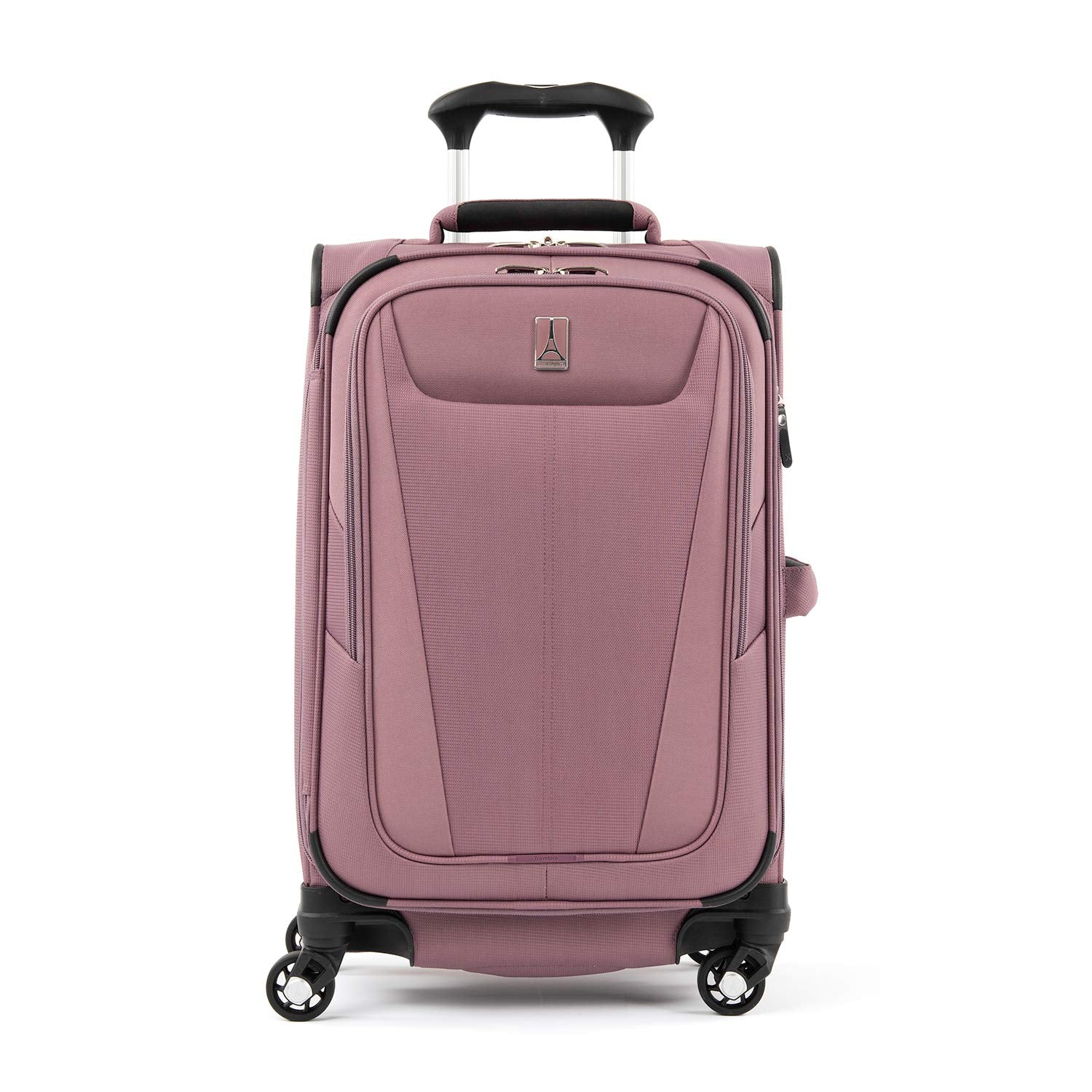
A light bag is also easier to lift. Moving a 15-pound suitcase into an overhead bin feels very different from lifting a 20-pound suitcase. The difference becomes clear when you are tired, short on time, or traveling with another bag.
Still, empty weight is only the starting point. The Maxlite 5 can feel heavy if you fill every pocket with shoes, electronics, and toiletries. Lightweight luggage is not weight-proof. It only gives you a better starting point.
🛒 Check the current Travelpro Maxlite 5 price on Amazon before buying, especially if you are comparing it with other lightweight carry-ons.
I Packed the Travelpro Maxlite 5 for a Real Trip—Here’s What Fit
For a realistic packing test, I treated the Maxlite 5 as a weekend and short business-trip bag. The goal was not to fill every inch. The goal was to pack useful items while keeping the case easy to close and lift.
A suitcase that holds more is not always better. If you need to sit on it to close the zipper, you have already lost some of its value. Good carry-on luggage should leave a little room for order and movement.
My realistic carry-on packing test
For a three- to five-day trip, I packed the following:
- Three shirts
- Two pairs of pants
- Four changes of underwear
- Four pairs of socks
- Sleepwear
- A light sweater
- One pair of casual shoes
- A toiletry kit
- A tablet and charger
- Phone cables
- A small jacket
- A few personal items
This load fit without forcing the main zipper. The soft body helped because clothing could settle into the corners. I placed shoes near the bottom and used smaller spaces for socks and cables.
The suitcase also worked well for a short business trip. A laptop or tablet can go in an exterior pocket, depending on its size and the amount of padding you need. A slim work folder can fit there as well.
For a longer trip, the limits became clearer. The Maxlite 5 can hold several days of light clothing, but bulky shoes and thick layers take up space fast. Travelers who pack large sweaters, boots, or full-size toiletry bags may need a larger case.
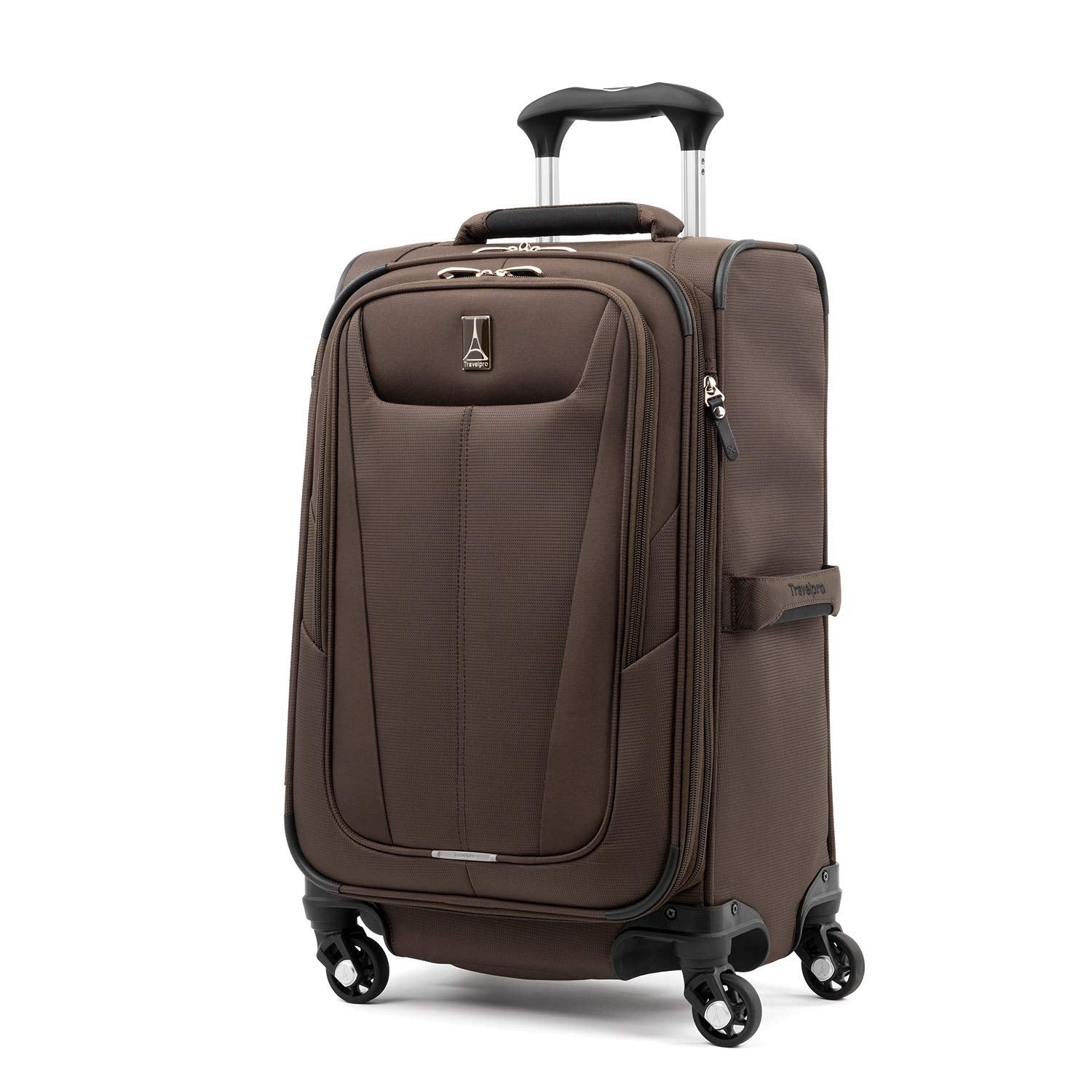
The softside design gives you useful flexibility
The outside pockets are valuable during a real trip. I would use one for a passport wallet, boarding pass, charger, and travel documents. A larger pocket can hold a tablet, light jacket, or reading material.
Compression straps help keep folded clothing in place. They also reduce the chance that clothes will shift when the bag is turned or rolled. Packing cubes can improve this system, especially for underwear, cables, and small items.
The expandable storage is useful when you need more room. It can hold a thin jacket or a few extra items. However, expansion should be treated as emergency space, not as a reason to pack more from the start.
A softside case is also easier to pack around awkward items. A pair of sandals, a camera pouch, or a soft toiletry bag can fit into gaps. A rigid shell gives you a fixed shape, while fabric lets you make small adjustments.

Exterior access also helps during airport security. You can remove a tablet or document without opening the main case. This saves time when the line is moving and you are trying not to spread your belongings across a security tray.
What I could not comfortably fit
The Maxlite 5 is not ideal for several pairs of bulky shoes. Footwear takes up more space than its weight suggests. Boots and large athletic shoes can quickly reduce room for clothing.
A heavy jacket is another problem. A thin windbreaker fits well, but a thick winter coat may need to be worn or carried separately. The same is true for a large toiletry bag filled with full-size bottles.
There was also limited room for extra souvenirs. You may create space by using the expansion zipper, but that can affect airline fit. For a short trip, the bag is roomy. For a long trip with heavy items, it requires careful packing.
How Easy Is the Travelpro Maxlite 5 to Carry Through an Airport?
A suitcase can feel perfect in a bedroom and become a burden after 20 minutes in a terminal. Airports include smooth tile, carpet, ramps, narrow lines, elevators, and rough sidewalks. A useful carry-on must handle more than one surface.
The Travelpro Maxlite 5 is designed for this setting. Its spinner layout lets you move the bag beside you instead of dragging it behind you at all times. That makes a clear difference in crowded areas.
Spinner wheels on airport floors
On smooth airport tile, the spinner wheels roll with little effort. The upright position feels natural, and the bag can move forward, backward, or sideways. This is helpful when you are waiting in a security line or turning into a narrow gate area.
The wheels work best on hard floors. Carpet adds drag, as it does with most small luggage wheels. You may need to tilt the suitcase and pull it behind you when crossing thick carpet or uneven flooring.
Tight turns are one of the Maxlite 5’s strengths. You can rotate it beside your leg instead of swinging a long handle behind you. In a crowded terminal, that reduces the chance of hitting another traveler’s foot or bag.
There are limits. Small spinner wheels can catch on cracks, pavement, and rough sidewalks. They are meant for airports, hotels, and smooth city paths, not long walks over broken streets.

When the terminal became crowded, I found it easier to switch between rolling the bag beside me and pulling it behind me. Beside-you movement gives better control in lines. Pulling works better when the floor is rough or you need to move quickly.
Telescoping handle and lifting
The telescoping handle extends to a comfortable height for most users. A handle with more than one position is helpful when you switch from rolling beside you to pulling behind you.
The grip feels most comfortable when the bag is not overloaded. As weight increases, you notice more pressure in your hand. This is normal, but it shows why packing discipline matters even with a lightweight suitcase.
Carrying the Maxlite 5 up stairs is manageable when it is lightly packed. The softside body gives you several places to hold it, but it is still a suitcase with wheels and a long shape. Carrying it for several flights is less pleasant than rolling it.
Lifting it into an overhead bin is easier than lifting many heavier carry-ons. The low empty weight helps, but the final result depends on what you pack. Heavy electronics, shoes, and liquids can make the bag awkward.
When fully packed, the case remains stable on its wheels. It may feel less steady if you place most of the weight in the front pockets. Exterior pockets are useful, but very heavy items should stay near the center of the suitcase.
What it feels like after walking with it for an hour
After a long airport walk, the main benefit is that the bag does not demand constant effort. On tile, it rolls beside you with a light pull. The wheels make some sound, but not an alarming amount on normal terminal floors.
The annoying moments came from corners, rough transitions, and crowded spaces. A wheel can catch when moving from tile to carpet. A packed front pocket can also make the bag feel less balanced.
In a busy terminal, the Maxlite 5 feels less like a large suitcase and more like a small travel partner that stays close to your leg. When a gate changed and the walk became longer, the spinner design helped reduce shoulder and arm strain.
Still, the bag does not remove the work of travel. You must lift it, guide it, and keep it within the airline’s weight limit. Its design lowers friction; it does not make a packed suitcase weightless.
Does the Travelpro Maxlite 5 Actually Fit as an Airline Carry-On?
The Travelpro Maxlite 5 is made to fit many standard carry-on rules, but no carry-on can promise universal acceptance. Airlines set their own limits. Some also use different rules for domestic, international, basic economy, or budget fares.
The common U.S. carry-on limit is often around 22 by 14 by 9 inches. The Maxlite 5 is close to this range, with listed dimensions that may be slightly wider than some strict limits. That makes checking the exact measurement important.
Check the airline’s carry-on dimensions before flying
Major U.S. airlines often allow a carry-on near the 22-by-14-by-9-inch range. The exact rule can differ by airline. Some carriers allow a little more width, while others use a smaller depth or height.
International airlines may use different limits. A European or Asian carrier may measure cabin bags in centimeters and may also enforce a lower weight limit. Do not assume that a bag accepted on a U.S. flight will be accepted everywhere.
Budget airlines can be stricter still. Some include only a small personal item with the lowest fare. A full-size carry-on may require an added fee. Others allow a cabin bag but set a tight weight limit.
Measure the bag from the floor to the highest point. Include wheels, handles, and any outside parts. Do not measure only the fabric body because that can give you a false sense of security.
The expansion zipper deserves special care. When open, the bag becomes deeper. That may push it beyond the airline limit, even if the normal configuration fits. Expansion is helpful at your destination, but it can create trouble on the outbound flight.
Softside flexibility can help—but don’t rely on it
The polyester body can compress slightly. If the overhead bin is tight, you may be able to press the sides inward. This is one advantage over a rigid shell with fixed walls.
However, soft fabric does not excuse overstuffing. A bag that bulges may not fit in a sizing box. It can also place stress on the zipper and seams. Flexible does not mean unlimited.
Gate agents may inspect a softside bag if it looks full or oversized. You could be asked to place it in a sizer or pay to check it. If the flight is full, even a correctly sized bag may be gate-checked.
The safest approach is to use the standard, non-expanded configuration when flying. Keep heavy items low and central. Check the airline’s current rule before leaving home.
🛒 See the Travelpro Maxlite 5 on Amazon and check the latest size and variant details before your next flight.
Travelpro Maxlite 5 Interior: Is It Easy to Organize?
The real test of luggage is not only how much it holds. It is how quickly you can find something. A suitcase that turns socks, cables, and shirts into one tangled pile creates stress every morning.
The Maxlite 5 uses a softside layout with zippered areas and compression features. It does not feel like one deep empty box. That helps create order, especially when you divide items by use.
Interior compartments and organization
The main interior has room for folded clothing and packing cubes. A zippered section can hold smaller items or keep one side separate from the other. This is useful when you pack clean clothes and worn clothes together.
Compression straps help hold clothes down. They are most useful when the case is not completely full. If you tighten them over a large pile, they may press clothing unevenly.
Garment storage can help with shirts, trousers, and light business clothing. It will not replace a full garment bag for formal wear. Still, it can reduce wrinkles when you fold clothes with care.
Shoes should go along the bottom or at the edges. Put them in shoe bags to protect clothing. Toiletries belong in a sealed pouch, since even a small leak can damage fabric and clothes.
Small items are easier to manage with packing cubes. Use one for underwear, one for shirts, and one for cables or health items. The exterior pockets then stay available for items needed during the journey.
The bag’s outside access is a major organization benefit. You can reach a boarding pass or charger without disturbing the main compartment. That small feature saves time again and again.
Softside vs hardside packing
Softside luggage offers more flexibility. You can press in a shirt, use outside pockets, and pack around soft items. It is often easier to access during a trip.
Hardside luggage gives you a more fixed structure. It may protect fragile items better and offer a clean, organized split interior. However, the rigid shell can add weight and reduce flexibility in tight spaces.
Softside bags usually win for quick access. Hardside cases often win for water resistance and crush protection. Neither style is automatically better. Your choice depends on what you carry and where you travel.
For clothes, shoes, electronics in padded sleeves, and normal business items, the Maxlite 5 offers practical organization. For camera bodies, glass bottles, or fragile tools, a protective hard case may be safer.
What I Like About the Travelpro Maxlite 5
The Maxlite 5 becomes more appealing after you use it as a real travel bag. Its best qualities are not flashy. They are the small details that reduce effort during a long travel day.
The bag is light, easy to move, and simple to access. It feels designed for people who walk through airports often rather than people who only care about how a suitcase looks in a product photo.
The lightweight build
The low empty weight is the biggest advantage. It gives you more room under airline weight limits. That matters for travelers who carry shoes, work gear, or several days of clothing.
It also makes lifting easier. You may need to lift the bag into a car trunk, onto a scale, or into an overhead bin. A few pounds saved at the start can make each task less tiring.
The light build helps during long airport walks as well. You still feel the packed weight, but the suitcase does not begin with an unnecessary burden. That is valuable for frequent flyers.
The exterior pockets
The pockets are useful because travel creates many small access needs. You may need your passport, boarding pass, phone charger, headphones, or a light jacket within minutes.
A pocket also keeps the main compartment closed. This is helpful at the airport, where opening a full suitcase can lead to spilled items and awkward repacking.
Do not use the pockets as a second suitcase. Heavy items near the front can change the bag’s balance. Use them for light, flat, or frequently used items.
The maneuverability
The spinner wheels move well through airport queues and hotel corridors. The ability to roll in multiple directions makes tight spaces easier. You can turn the bag without making a wide pull.
The same benefit appears in elevators, train aisles, and small hotel rooms. The Maxlite 5 takes less room to guide than a traditional two-wheel roller.
🛒 Check today’s Travelpro Maxlite 5 price on Amazon if lightweight packing and easy airport handling are your priorities.
What Annoyed Me About the Travelpro Maxlite 5
No suitcase is perfect. The Maxlite 5 makes smart trade-offs, but each trade-off has a cost. The soft body saves weight and adds flexibility, yet it cannot protect belongings like a thick hard shell.
Being honest about those limits is important. A good carry-on should match your habits, not force you to change them.
Softside luggage has less rigid protection
The fabric body can press against items inside. If another bag pushes into it, the contents may feel pressure. Soft clothing is not a concern, but fragile items need extra padding.
The Maxlite 5 is not my first choice for glass bottles, unprotected camera gear, or delicate equipment. Use padded cases inside if you carry anything that could break.
Softside fabric may also allow more water through than a sealed hard shell. It can handle normal travel exposure, but it is not a dry box. Use plastic pouches for electronics and liquids.
Exterior pockets can become overstuffed
Easy access creates temptation. It is simple to add a book, a water bottle, a charger, and snacks until the front of the bag becomes thick and heavy.
An overstuffed pocket can change the suitcase’s shape. It may also make the case tip forward or become harder to fit in a bin. Keep the outside light.
The carry-on still gets heavy when fully packed
The Maxlite 5 is light when empty. Once you add shoes, electronics, toiletries, and clothing, the total weight rises quickly.
A laptop charger may not weigh much alone, but several cables, a tablet, shoes, and liquids can add up. Weigh the bag at home if your airline has a strict limit.
Expandable storage can tempt you to overpack
The expansion zipper feels like extra freedom. It can help after shopping or when you need one more layer. The problem is that extra space often leads to extra weight.
Expansion may also make the bag too deep for the airline. Use it with care, and measure the expanded case if you plan to fly with it open.
Travelpro Maxlite 5 Durability After Real-World Use
Luggage receives rough treatment even when you handle it carefully. It may ride in a car trunk, touch a conveyor belt, scrape a hotel wall, and roll over a sidewalk in one trip.
Durability is not just about whether the fabric looks strong. It also depends on wheels, zippers, seams, handle movement, and the way you pack the case.
Wheels, handle, zippers, and fabric
The wheels are the parts most likely to show problems first. Check for wobble, uneven rolling, and dirt around the wheel housing. Avoid dragging the bag over rough ground when you can.
The telescoping handle should extend and retract without sticking. A small amount of movement can be normal, but excessive side-to-side play may signal wear. Do not lift the suitcase by the extended handle.
Zippers deserve a gentle touch. Pull them around corners instead of forcing them through an overstuffed case. A tight zipper puts stress on the teeth and fabric.
The polyester body can pick up scuffs and marks. That is normal for a softside bag. Look more closely at seams, corners, and areas near the wheels. Those spots receive the most contact.
How it handles rough travel
In a car trunk, the fabric body is easy to place and remove. It can fit beside other bags more easily than a large rigid shell. Keep sharp objects away from the fabric.
On airport conveyor belts, the case should be handled with the same care as any luggage. If you check it, expect more wear than you would from cabin use. A softside carry-on is best protected when you keep it with you.
The case handles hotel floors and smooth pavement well. Rough sidewalks are harder on small spinner wheels. If you often walk long distances on broken streets, a larger two-wheel design may offer better clearance.
Travelpro Maxlite 5 vs Hardside Carry-On Luggage
The choice between the Maxlite 5 and a hardside carry-on depends on your travel habits. Neither style wins every category. The best option is the one that protects what you carry while keeping travel simple.
Think about weight, access, protection, weather, and airline rules. Also consider whether you prefer a flexible bag or a firm structure.
Choose the Maxlite 5 if you value
Choose the Travelpro Maxlite 5 if you want:
- Low empty weight
- Easy lifting
- Exterior pockets
- Flexible packing
- Quick access to travel items
- Smooth spinner movement
- A soft body that fits small gaps
- A carry-on for frequent airport use
It is especially useful for clothes, work items, light shoes, and short trips. The fabric design makes it feel less rigid and more forgiving when packing.
Choose hardside luggage if you prioritize
A hardside carry-on may be better if you want:
- Stronger protection for fragile items
- A more rigid structure
- Better resistance to light rain
- A clean, box-like interior
- Less fabric exposed to scuffs and spills
- More protection from crushing
A hard shell can be useful for photographers, travelers with delicate gear, and people who check their luggage often. It may also appeal to travelers who prefer a firm case that keeps its shape.
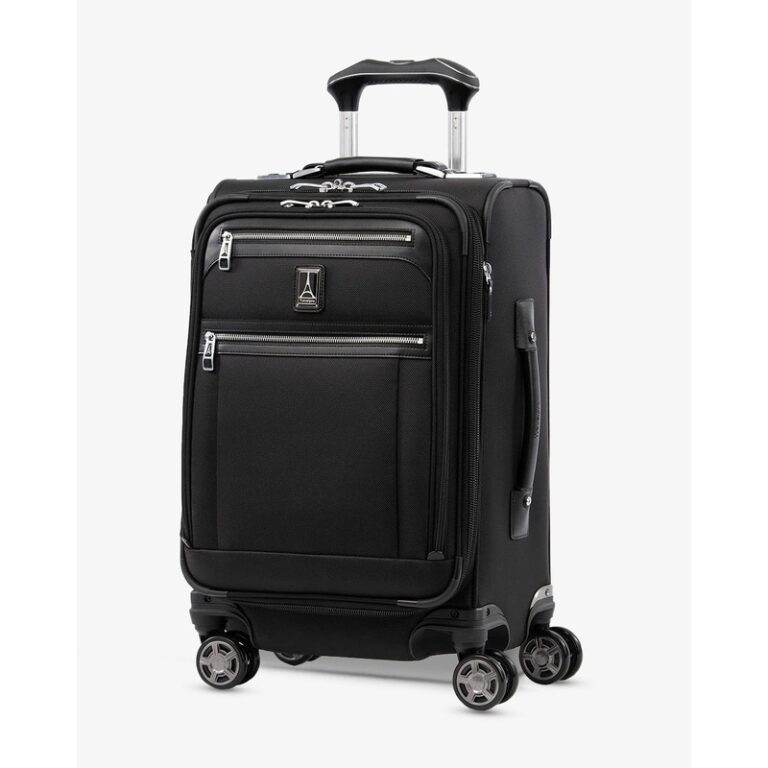
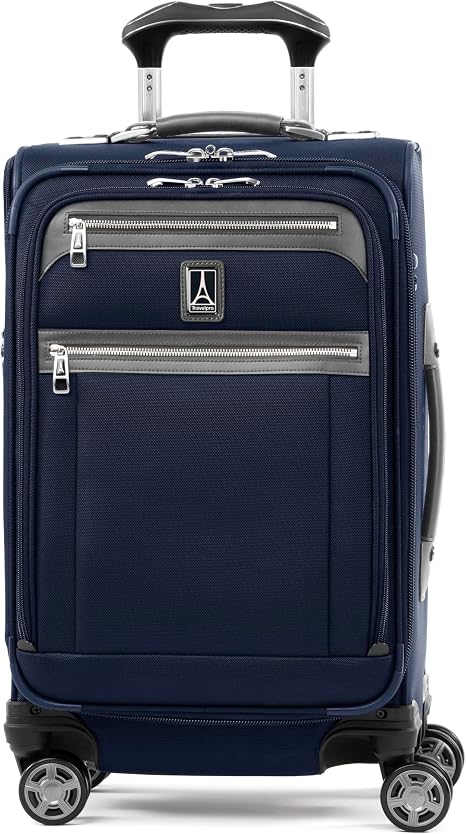
Travelpro Platinum Elite Carry-On Luggage Spinner Review: Putting the Platinum Elite to the Test
Who Should Buy the Travelpro Maxlite 5?
The Maxlite 5 is a practical choice for travelers who want to reduce weight without giving up useful storage. It is not a luxury case with unlimited room. It is a focused carry-on for normal clothes, personal items, and airport travel.
Before buying, compare your packing habits with the bag’s strengths and limits. The best luggage purchase is the one that prevents problems rather than creating new ones.
Best for
The Travelpro Maxlite 5 is best for:
- Frequent flyers
- Business travelers
- Weekend travelers
- Travelers who prioritize low weight
- People who like softside luggage
- Travelers who use exterior pockets often
- People who walk through large airports
- Travelers who pack light or moderately
It is also a good fit for people who want a carry-on that can move through narrow spaces. The spinner wheels and soft body make it useful on busy travel days.
Probably not for
It may not be the best choice for:
- Travelers carrying fragile equipment
- People who strongly prefer rigid luggage
- Heavy packers
- Travelers who carry several bulky shoes
- People who routinely exceed airline weight limits
- Travelers who need a large winter wardrobe
- Anyone who wants maximum water protection
If you regularly fill every inch of a bag, the Maxlite 5 may encourage overpacking. A larger checked suitcase or a more structured case may serve you better.
🛒 Check the Travelpro Maxlite 5 on Amazon to compare available sizes, colors, and current price before choosing your carry-on.
Travelpro Maxlite 5: My Final Verdict After Using It
The Travelpro Maxlite 5 Softside Carry-On Luggage succeeds because it focuses on the parts of travel that happen most often. It is light before packing, easy to roll on smooth floors, and flexible enough for a short trip. Its outside pockets add real value during airport security and boarding.
It is not the toughest choice for fragile cargo. It also cannot protect you from overpacking or airline rules. Those are not small details, but they are easy to manage when you understand the bag’s design.
What impressed me most
The lightweight construction impressed me first. A carry-on that starts near 6 pounds gives you more useful weight for clothing and gear. That is a major advantage on strict flights.
The airport maneuverability was also strong. Spinner wheels help in queues, hotel corridors, and tight gate areas. The exterior storage made it easy to reach small items without opening the main case.
Packing flexibility is another clear benefit. The softside body allows you to use corners and gaps. Compression straps and interior zippers help keep the contents from becoming a loose pile.
What you have to accept
You must accept less rigid protection than a hardside case provides. Fragile items need their own padding. You should also protect liquids and electronics from moisture.
You must watch the expansion zipper. More space can mean more weight and greater depth. Airline-specific size rules still apply, even when the bag looks flexible.
The packed weight remains the final limit. Shoes, chargers, toiletries, and clothing can turn a light suitcase into a heavy one. A luggage scale is a simple way to avoid surprises.
Would I spend my money on it?
Yes, I would recommend the Travelpro Maxlite 5 to a light or moderate packer who wants a low-weight carry-on with easy airport handling. It is a strong choice for frequent flyers, short trips, and travelers who like outside pockets.
My answer becomes “maybe” for heavy packers or people carrying fragile equipment. In those cases, a larger or more protective hardside option may be a better fit.
🛒 If the Maxlite 5 fits the way you travel, check its current Amazon price here before you buy.
Travelpro Maxlite 5 Quick Testing Checklist
Use this checklist before your next trip or before making a purchase:
- ✓ Check the empty weight
- ✓ Weigh the bag after packing
- ✓ Compare dimensions with your airline
- ✓ Include wheels and handles in the measurement
- ✓ Test the spinner wheels on tile and carpet
- ✓ Check handle stability at each height
- ✓ Confirm the interior fits your normal clothing
- ✓ Test exterior pocket access
- ✓ Inspect zipper movement
- ✓ Look for strong seams and clean stitching
- ✓ Check the fabric for scuffs or weak spots
- ✓ Practice lifting it into an overhead bin
- ✓ Walk with it for at least 20 minutes
- ✓ Avoid expanding it unless the airline permits the larger size
- ✓ Use padding for fragile belongings
The Travelpro Maxlite 5 is at its best when you pack with purpose. Keep heavy items central, use the pockets for light essentials, and confirm airline rules before you leave. Done that way, it can make the airport feel less like an obstacle course and more like the start of the trip.

Md Abdul Muhaimen is an experienced travel content writer and guide who has a Master’s in Information Systems Management from the University of Huddersfield. He is passionate about all things related to travel logistics and trip planning, and has assisted thousands of readers in choosing the proper luggage, knowing which items can be included in carry-on luggage, and understanding an airline’s policy with confidence.
Md Abdul has a sound grounding in systems thinking and data-driven content creation that allows him to bring clarity to complicated travel topics — from comparing the exact sizes of cabin bags from multiple airlines to developing helpful how-to guides to simplify a traveler’s experience.
He actually engages in travel forums on Quora, answers real user questions, and shares insights by posting on Medium blogs
.His work marries first-hand research, consumer-focused advice, and technical accuracy, and he is a voice that can be trusted among the travel and luggage community.