Is Tumi Carry On Worth It? Our Verdict for Frequent Travelers
A Tumi carry-on is worth it for frequent travelers who prioritize long-term durability and a comprehensive repair warranty over a low initial price. If you fly more than 20 times per year, the investment pays off through its specialized hardware and service network. For occasional vacationers, however, the high cost rarely matches the utility provided.
Your decision depends on how often you travel and whether you value a lifetime repair service. A professional who lives on the road needs the structural integrity these bags offer, while a casual holiday traveler might find the same function in a much cheaper suitcase.
Is a Tumi carry on worth the price
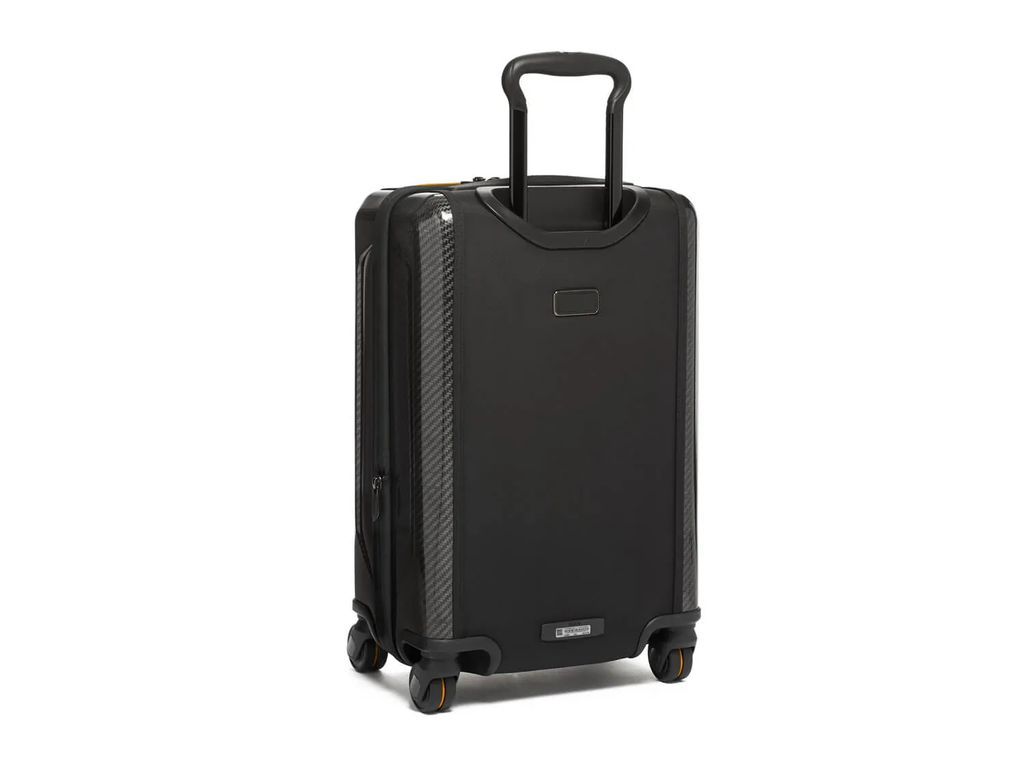
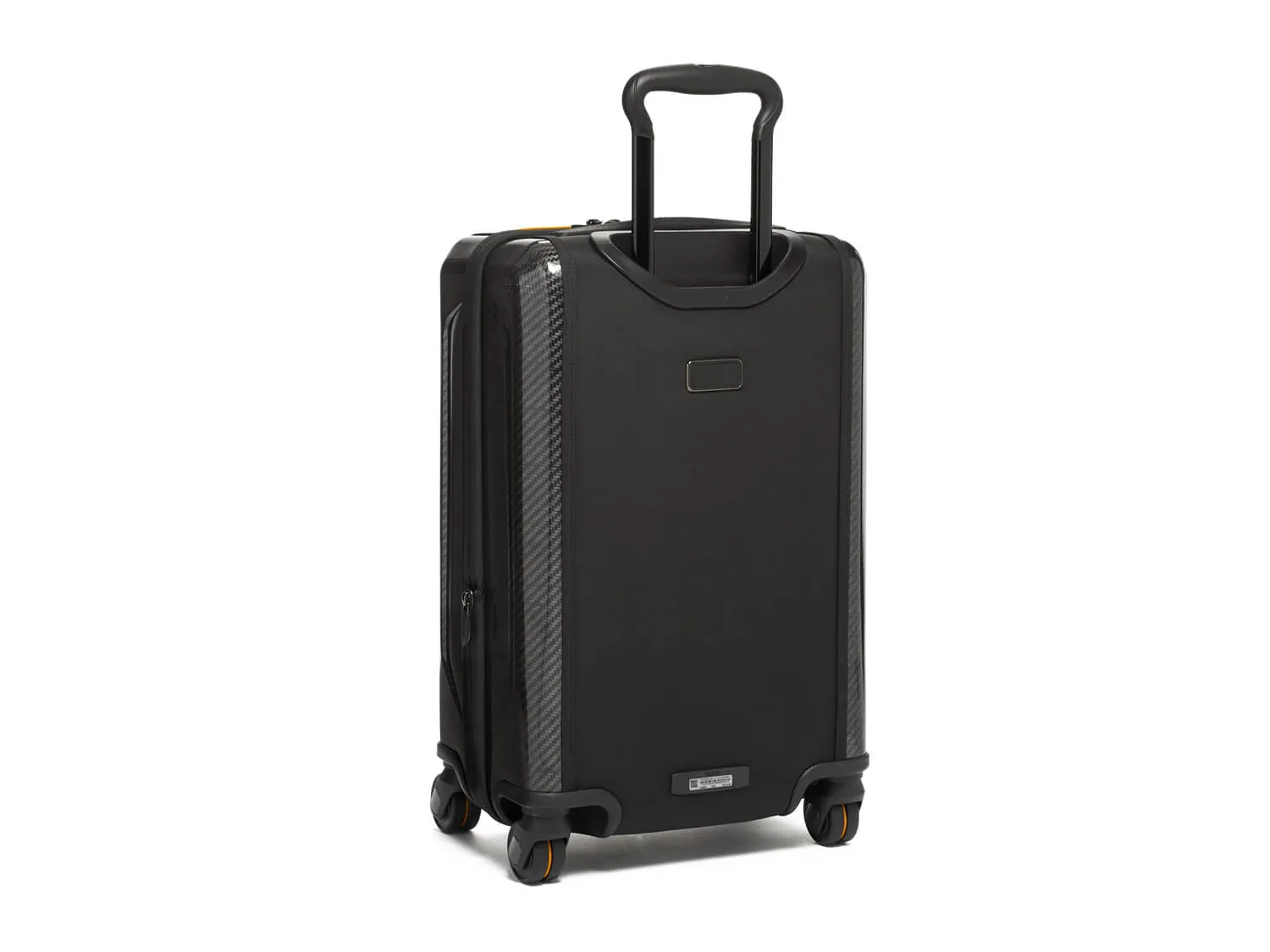
This brand serves travelers who need a reliable piece of equipment that survives the heavy wear of frequent air travel. You likely value the confidence that comes with a standardized repair process and a durable outer shell. If you’re a business traveler who needs your bag to look clean and professional after dozens of flights, this is designed for your workflow.
This page is best for those deciding between a premium investment and a mid-range alternative. If you’re looking for a budget-friendly bag for a single annual trip, the high entry price of this brand will likely feel unnecessary. The information here assumes you’re comparing the brand’s standard ballistic nylon or polycarbonate carry-on models against generic luggage. If you primarily travel by car or train, the specific durability features of this brand are less critical to your needs.
6 Best Carry On Luggage 22x18x10 Bags for Your Next Trip
Factors that change the value
The primary factor is your travel frequency. If you fly weekly, the cost per trip drops significantly over five years, making the high upfront price a smart financial choice. If you only travel once or twice a year, the bag will likely sit in storage for 50 weeks, meaning you’re paying for durability you never actually use.
The material choice also shifts the value proposition. Ballistic nylon is the brand’s signature for a reason; it resists tears and abrasions better than almost any other fabric. Polycarbonate shells are lighter and offer a different aesthetic, but they can crack under extreme impact.
Your tolerance for weight matters as well. These bags are often heavier than budget alternatives due to the reinforced frames and heavy-duty zippers. If you frequently need to lift your bag into tight overhead bins, the extra weight might become a daily frustration.
Finally, consider your personal style preference. Some travelers view luggage as a tool that should be replaced when it looks worn, while others prefer the brand’s specific design language. People most often make the mistake of buying the brand for the logo alone, only to find the weight or the specific internal organization doesn’t fit their packing style.
How to evaluate your purchase
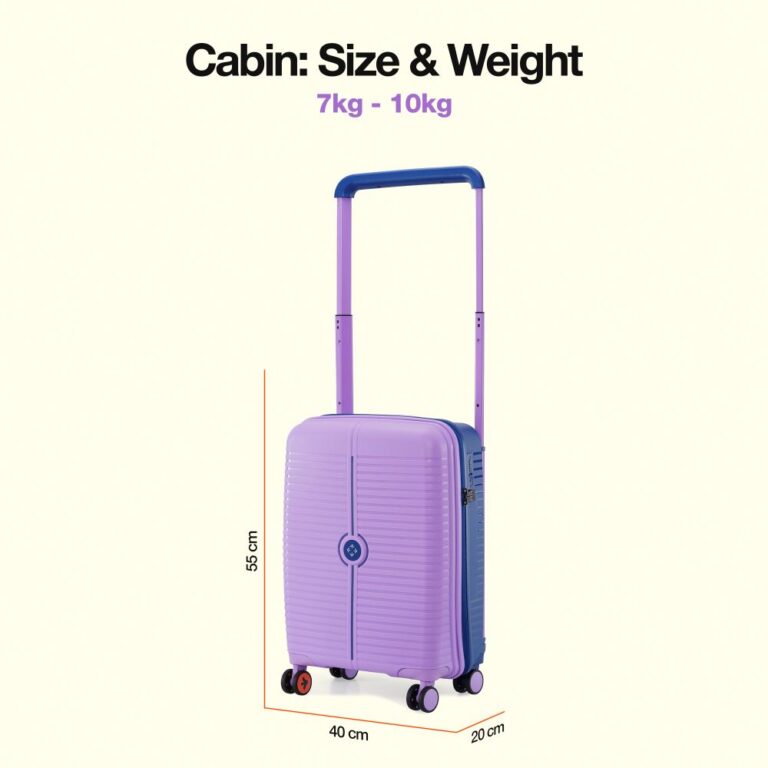
- Check the dimensions of your most-used airline against the bag’s specs.
- Verify the weight of the empty bag to ensure it fits your lifting ability.
- Inspect the handle mechanism for smooth extension and minimal wobble.
- Confirm the presence of a tracking tag for lost luggage recovery.
- Register your bag on the manufacturer site immediately after purchase.
- Test the wheels on a hard surface to ensure they glide without noise.
The main judgement call is whether you’ll actually use the repair service. If you’re the type of person who buys a new bag every time a wheel breaks, you won’t get the full value from this purchase. A bag that lasts a decade only saves money if you actually keep it for that long.
Comparison of luggage tiers
| Category | Premium Brand | Mid-Range Bag | Budget Option |
|---|---|---|---|
| Durability | Very high | Moderate | Low |
| Warranty | Lifetime | 1-3 years | None/Limited |
| Weight | Heavy | Medium | Light |
| Price | High | Moderate | Low |
Premium brands utilize polycarbonate shells or ballistic nylon that withstand airline handling for over a decade. If you travel more than six times annually, the lifetime warranty offsets the initial cost by preventing total replacement.
Mid-range bags offer the best value for occasional travelers. These models often feature plastic zippers that fail after three years of heavy use. Inspect the wheel housing before buying; if it’s riveted rather than bolted, it will likely snap under pressure.
Budget options save money upfront but frequently crack during a single international flight. Use these only for car travel where you control the handling. If you see exposed stitching or thin fabric lining, expect a failure within two trips. Always prioritize a bag with replaceable wheels to extend its life.
Details that separate quality from average
Structural integrity
Experienced travelers look for the reinforcement at the corners and the strength of the frame. A high-quality carry-on maintains its shape even when fully packed and squeezed into a tight space. Beginners often overlook the frame, focusing instead on the color or the number of pockets. A bag that loses its shape will eventually put stress on the zippers, leading to premature failure.
Repairability and parts
Quality luggage allows for the replacement of individual parts like wheels or handles. If a wheel snaps on a budget bag, the entire unit usually becomes trash. Tumi allows for professional repairs, which extends the life of the product by years. Beginners often assume all bags are equally repairable, but many modern designs use rivets that can’t be removed without destroying the frame.
What goes wrong and how to fix it
| What you notice | What it usually means | What to do first | How to stop it |
|---|---|---|---|
| Sticky zipper | Dirt in tracks | Clean with brush | Wax the teeth |
| Wobbly handle | Loose internal screw | Tighten access panel | Don’t lift by handle |
| Wheel noise | Debris in bearing | Remove with tweezers | Avoid wet gravel |
| Scuffed shell | Normal surface wear | Wipe with damp cloth | Use protective cover |
| Stuck lock | Wrong combination | Reset via manual | Write code down |
Official standards for travel
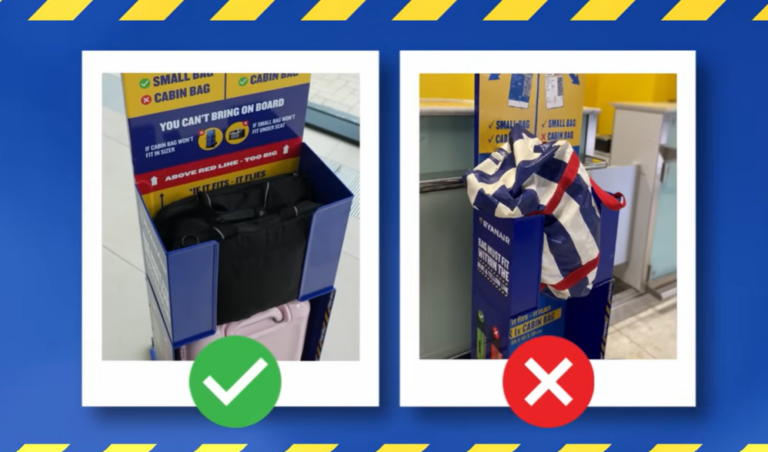
The International Air Transport Association provides guidelines for carry-on sizes to ensure cabin safety and efficiency. While these are recommendations, most major airlines follow them closely to manage overhead bin space. You should always check the specific baggage policy on your airline’s website before heading to the airport, as low-cost carriers often have stricter limits than full-service airlines.
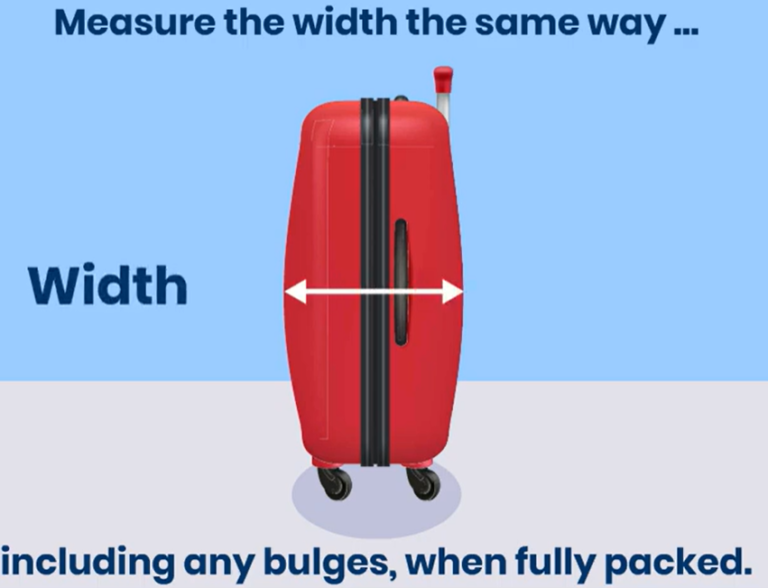
If your bag exceeds the dimensions allowed by your specific carrier, you’ll be forced to gate-check it. This negates the convenience of a carry-on and exposes your expensive gear to the rough handling of the cargo hold. Always measure your bag with the wheels and handles included, as these often add 2 inches to the total height.
Financial considerations
The cost isn’t just the sticker price, but the cost per flight. If you spend $600 on a bag and fly 100 times, the cost is $6 per trip. If you buy a $100 bag that breaks after 10 trips, the cost is $10 per trip. Your cost fluctuates based on how many years you keep the item and how often you travel.
Look for sales during major holiday events, but don’t expect deep discounts on the core ballistic lines. The secondary market for used luggage is large, but be careful with warranties, as some are only valid for the original purchaser. If you find a deal, check the serial number to ensure it’s authentic before handing over any money.
Maintaining your investment
To keep your bag in good shape, store it in a cool, dry place away from direct sunlight. Sunlight can degrade the outer fabrics and weaken the plastic components over time. If the bag gets wet, wipe it down before putting it into storage to prevent mold or odors.
When the wheels start to feel sluggish, check the axles for hair or debris. Using a small amount of silicone lubricant can help if the manufacturer recommends it, but avoid oil-based products that attract dust. If you notice a tear in the fabric or a broken zipper, contact the official repair center immediately rather than trying a DIY fix.
When to choose a different approach
If you’re moving to a new country and need to carry your entire life, a carry-on is the wrong tool regardless of the brand. You should look for large, checked luggage or dedicated shipping services. If you’re a backpacker who needs to navigate stairs and uneven terrain, a suitcase with wheels will be a burden.
A high-end carry-on is also a poor choice if you’re worried about theft in high-risk areas, as the brand name can sometimes signal that the bag contains expensive items. In these cases, a plain, nondescript bag is a much safer choice for your belongings.
If your itinerary involves more than three transfers on public transit, abandon the wheeled luggage entirely. The constant lifting over gaps and curbs will break the handle mechanism within a month. Opt for a rugged hiking pack instead. If you’re carrying sensitive electronics, prioritize a hard-shell case over soft fabric, as soft sides offer zero crush protection.
Frequently asked questions
Is the warranty actually useful?
Yes, the warranty covers functional repairs for the life of the product, including damaged handles, wheels, and zippers. You must submit a request through the official website to start the service.
Why is it so heavy?
The weight comes from the use of high-denier ballistic nylon and reinforced frames designed to withstand industrial-level handling. These materials are heavier than the thin plastics found in standard department store luggage.
Can I replace the wheels myself?
No, the manufacturer doesn’t typically sell replacement wheels for user installation to ensure the repair meets their quality standards. You must send the bag to an authorized repair center for wheel replacement.
Is it waterproof?
No, the bags are water-resistant but not waterproof. While the ballistic nylon can handle light rain, the zippers and seams aren’t sealed against heavy downpours or submersion in water.
What if the zipper breaks?
The zipper is covered under the repair warranty if it fails during normal use. Don’t attempt to force a stuck zipper, as this can permanently damage the teeth and void your warranty coverage.
Does it fit in small planes?
It depends on the specific model and the airline’s overhead bin size for regional jets. Always check the airline’s carry-on size limits before boarding, as regional planes often have much smaller storage spaces.
Conclusion
Start by measuring the exact overhead bin requirements for your preferred airline. If your bag fits those dimensions, you can expect a smooth boarding experience that saves you time at the baggage claim. If the bag is too large, you’ll be forced to gate-check it, which puts your item at risk of damage.

Md Abdul Muhaimen is an experienced travel content writer and guide who has a Master’s in Information Systems Management from the University of Huddersfield. He is passionate about all things related to travel logistics and trip planning, and has assisted thousands of readers in choosing the proper luggage, knowing which items can be included in carry-on luggage, and understanding an airline’s policy with confidence.
Md Abdul has a sound grounding in systems thinking and data-driven content creation that allows him to bring clarity to complicated travel topics — from comparing the exact sizes of cabin bags from multiple airlines to developing helpful how-to guides to simplify a traveler’s experience.
He actually engages in travel forums on Quora, answers real user questions, and shares insights by posting on Medium blogs
.His work marries first-hand research, consumer-focused advice, and technical accuracy, and he is a voice that can be trusted among the travel and luggage community.