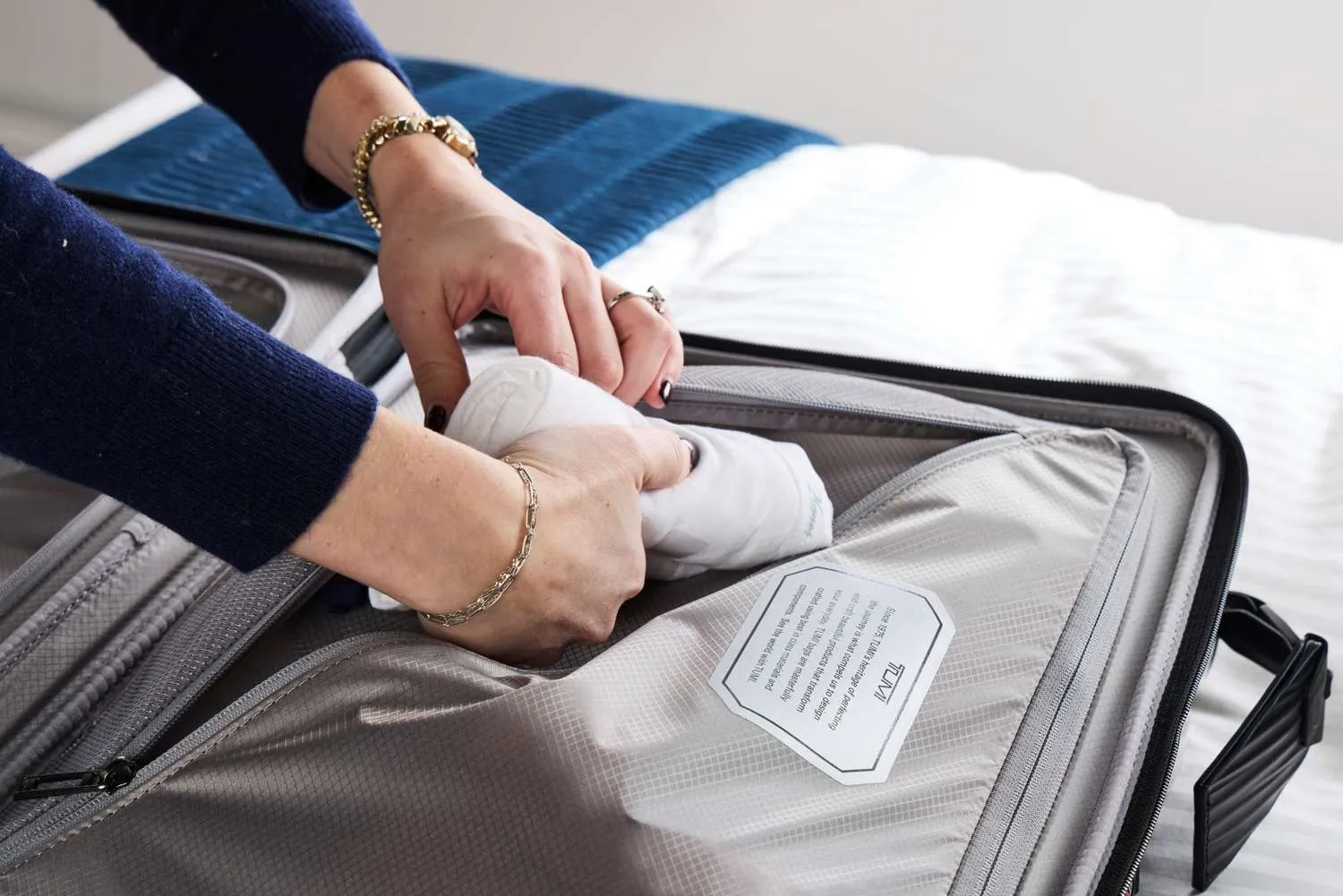
What Is the Best Tumi Carry On for Your Travel Needs
The Alpha 3 Continental Dual Access 4-Wheeled Carry-On is widely considered what is the best tumi carry-on for travelers who prioritize durability and packing efficiency. This model features a split-case design and high-grade ballistic nylon that resists wear. Your ideal pick depends on whether you prefer a hard-shell exterior, the number of wheels you need, and your specific airline’s cabin size limits.
Who should buy a Tumi carry on
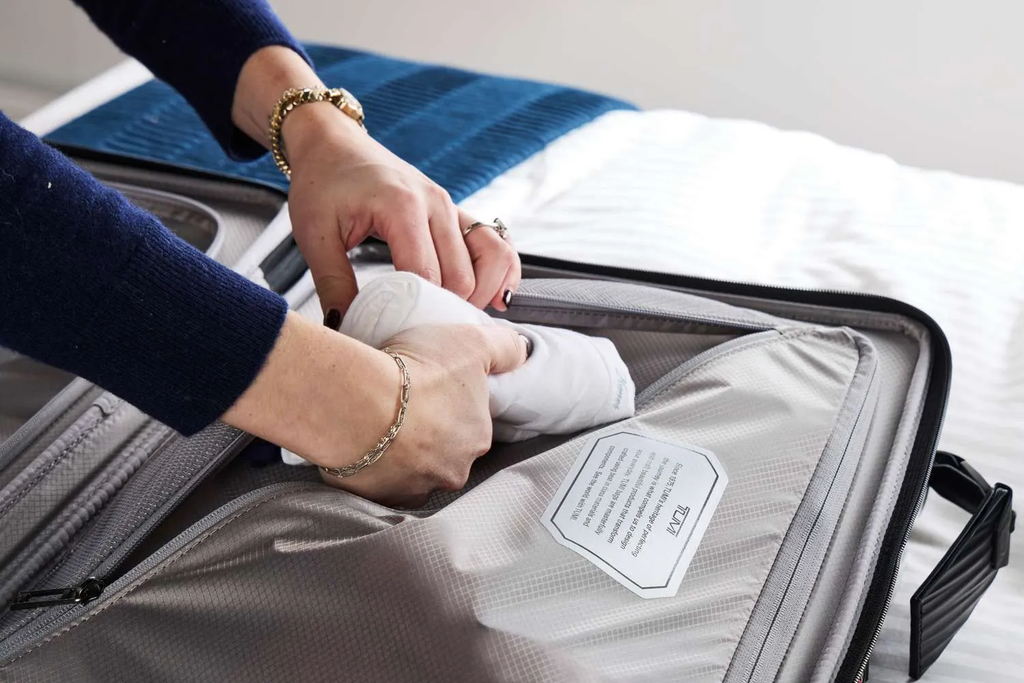
Travelers who choose Tumi often look for a balance of professional style and long-term durability. This brand serves the frequent business traveler who needs a bag that survives dozens of flights per year without breaking or looking worn. If you travel once or twice a year for vacation, you might find more value in lighter or less expensive brands, as Tumi bags are designed for heavy, daily use.
The primary assumption here is that you want a carry-on that meets standard overhead bin dimensions. If you prioritize extreme weight reduction or the lowest possible price point, this brand may not be your best fit. We focus on the core collection, which is built for those who value organized packing spaces and a professional look that remains consistent across many years of travel.
Factors That Influence Your Choice
The weight of the bag is the most significant factor for many users. Hard-shell cases like the 19 Degree collection are slightly heavier than soft-sided ballistic nylon models. If you often lift your bag into high overhead bins, choose a soft-sided version to save about 1.5 pounds of carry weight.
Wheel configuration matters for how you move through terminals. Four-wheeled spinners offer the best stability on flat airport floors, while two-wheeled cases perform better on uneven sidewalks or cobblestones. If you walk long distances outside the airport, a two-wheeled “rollaboard” style is usually the better choice for control.
Material choice dictates your bag’s lifespan under rough handling. Ballistic nylon is the industry standard for Tumi because it’s highly resistant to tears and scuffs. Hard-shell polycarbonate is better if you carry fragile items, but it can show visible scratches after heavy use.
The interior layout is the feature people often overlook until they’re at the gate. A split-case design allows you to separate shoes or dirty laundry from clean clothes, which is vital for week-long trips. Check the Tumi product specifications on their official website to verify the exact interior dimensions for your specific model.
How to Select Your Carry-On
- Measure your preferred airline’s maximum carry-on dimensions, as these vary by carrier.
- Select between a hard-shell or soft-sided exterior based on the fragility of your items.
- Choose a four-wheel spinner for smooth airport floors or a two-wheel system for rougher outdoor surfaces.
- Check the handle height to ensure it locks at a level that’s comfortable for your arm length.
- Inspect the zipper quality; high-end bags use self-repairing zippers that don’t snag easily.
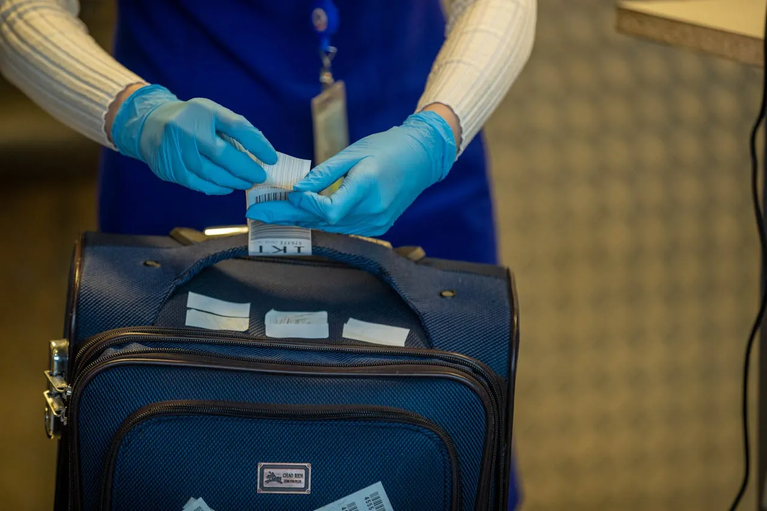
- Verify the inclusion of a luggage tag and a Tumi Tracer plate for loss recovery.
- Test the weight of the empty bag to ensure you can lift it above your head.
- Confirm the warranty coverage for the specific collection you have selected.
The key judgment call is balancing the weight of the bag against the protection it offers. A heavier bag with reinforced corners is safer for laptops, but it leaves you with less weight allowance for your clothes.
Comparison of Popular Carry-On Options
| Model Type | Best For | Primary Strength | Weight Class |
|---|---|---|---|
| Alpha 3 | Business | Durability | Medium |
| 19 Degree | Style | Impact protection | Heavy |
| Latitude | Speed | Lightweight build | Light |
| Merge | Versatility | Recycled materials | Light |
| V4 | Flexibility | Expanding space | Medium |
Choose the Alpha 3 if you check your bag on regional jets, as its ballistic nylon resists the friction of tight cargo holds. Avoid the 19 Degree for long walking commutes; its aluminum frame adds four pounds compared to the Latitude, which saves your shoulders during terminal sprints.
If you frequently pack for trips longer than five days, prioritize the V4. Its expansion gusset adds two inches of depth, a feature the Latitude lacks. Many travelers mistake the Merge for a budget option, but its true value is the soft-sided exterior that absorbs impact better than rigid shells. If your itinerary involves cobblestone streets, pick the Merge to avoid the stress cracks that often plague the rigid 19 Degree polycarbonate shell.
Details That Separate Quality from Failure
Preparing for Travel
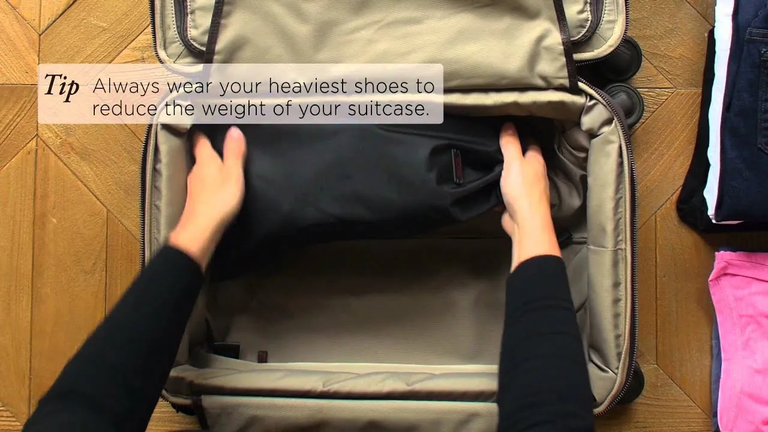
Experienced travelers always pack their heaviest items, like shoes and electronics, near the wheels of the bag. This lowers the center of gravity and makes the bag much easier to maneuver through crowded terminals. Beginners often pack heavy items near the handle, which causes the bag to tip over frequently when you let go of the grip.
Maintenance and Handling
Keep your bag clean by wiping the exterior with a damp cloth after every major trip. Avoid using harsh chemical cleaners, as these can strip the protective coating from the ballistic nylon or cause the polycarbonate shell to become brittle. Always store your bag in a cool, dry place to prevent the internal lining from developing odors or mildew.
Common Issues and Quick Fixes
| What you notice | What it usually means | What to do first | How to stop it |
|---|---|---|---|
| Zipper sticks | Debris in track | Clean with brush | Avoid overpacking |
| Wheel squeaks | Dust buildup | Lubricate axle | Wipe wheels weekly |
| Handle jams | Alignment issue | Check for debris | Don’t force pull |
| Scuff marks | Surface wear | Use magic eraser | Use protective cover |
| Loose screw | Vibration stress | Tighten with driver | Check every trip |
Standards for Carry-On Luggage
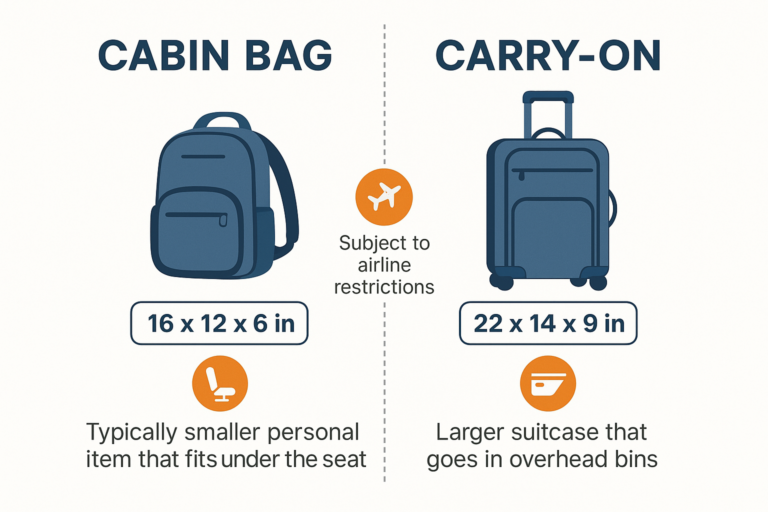
International travel rules require that your bag fits within specific size limits to avoid gate-checking fees. Most major airlines follow the standard of 22 x 14 x 9 inches, including wheels and handles.
You should always check the specific baggage policy on your airline’s official site before you head to the airport, as budget carriers often enforce much smaller limits.
If you’re flying on a small regional jet, even a standard carry-on might need to be checked at the gate. Keep your essential documents and electronics in a small, removable pouch inside your bag so you can quickly grab them if you’re forced to hand over your luggage.
What It Really Costs
The true cost includes the initial purchase price, which is relatively inexpensive compared to the alternative. You must also consider the “weight cost”—the fact that a heavier bag reduces the amount of clothing you can pack before hitting airline weight limits.
If your bag weighs twelve pounds empty, you have already surrendered nearly a third of your standard 40-pound international allowance before adding a single shirt. Every pound counts when you risk an overweight fee at the gate.
If you travel for work, the cost is offset by the time you save not waiting at baggage claim. You gain an average of 40 minutes per flight by carrying on. Multiply that by your hourly rate to see if the bag pays for itself within six trips. Prices fluctuate, so check official manufacturer pricing before you commit to a specific model.
Maintaining Your Luggage
Keep your investment in good shape by registering your bag with the Tumi Tracer program immediately after purchase. This system uses a unique 20-digit number to help recover your bag if it’s ever lost.
If a wheel becomes stiff or a handle stops locking, contact the official repair department rather than trying to fix the internal mechanisms yourself. This ensures you don’t void the limited warranty coverage that comes with your purchase.
Most owners make the mistake of using household lubricants like WD-40 on sticky wheels. This attracts grit and ruins the housing permanently. If you hear a grinding noise, wipe the axle with a dry cloth first.
If the resistance persists, send the bag to a certified center. You should expect a turnaround time of four to six weeks for these mechanical repairs.
When to Consider Other Options
If you fly more than 100 days a year, a Tumi bag might be too heavy for your needs, and you should look into ultra-lightweight carbon fiber alternatives. The extra four pounds of a standard ballistic nylon bag add up to significant fatigue during long terminal treks.
If you’re on a strict budget, skip this brand entirely and look at mid-range manufacturers that offer similar organizational features for half the price. You’re paying a premium for brand equity and a specific aesthetic that doesn’t inherently improve gear longevity.
Don’t attempt to repair the internal frame of a broken suitcase yourself. This requires specialized tension tools and risks permanent damage to the chassis. If the handle mechanism sticks or the frame warps, take it to an authorized service center. A botched DIY fix voids your warranty and often makes professional repair impossible.
Frequently Asked Questions
How long does a Tumi carry-on last?
A well-maintained Tumi carry-on typically lasts for a significant duration, depending on how often you travel and how you store the bag when it isn’t in use.
Is it safe to check a Tumi carry-on?
It’s safe to check your bag if necessary, but you should always remove lithium-ion batteries and fragile items first, as airline handlers may treat checked bags with significant force.
Does the Tumi warranty cover airline damage?
The standard warranty covers manufacturing defects, but it doesn’t cover damage caused by airline handling; you must file a claim with the airline for any damage during transit.
How do I clean the ballistic nylon?
You can clean ballistic nylon by using a soft-bristled brush and a mild soap solution to gently scrub the fabric, then letting it air dry in a shaded area.
Can I replace the wheels myself?
You shouldn’t replace the wheels yourself, as they’re often riveted into the frame, and doing so will void your warranty; use the official repair service instead.
What happens if I lose my bag?
If you lose your bag, you can report the unique 20-digit Tracer number to the company, which helps them identify the owner if the bag is returned to a transit hub.
Conclusion
Start by measuring your most frequently used airline’s overhead bin size and comparing it to the dimensions of your preferred model. You should expect a smooth, quiet glide on airport floors, which is the primary sign of a quality wheel system. If the bag feels unstable, stop using it and contact the manufacturer.

Md Abdul Muhaimen is an experienced travel content writer and guide who has a Master’s in Information Systems Management from the University of Huddersfield. He is passionate about all things related to travel logistics and trip planning, and has assisted thousands of readers in choosing the proper luggage, knowing which items can be included in carry-on luggage, and understanding an airline’s policy with confidence.
Md Abdul has a sound grounding in systems thinking and data-driven content creation that allows him to bring clarity to complicated travel topics — from comparing the exact sizes of cabin bags from multiple airlines to developing helpful how-to guides to simplify a traveler’s experience.
He actually engages in travel forums on Quora, answers real user questions, and shares insights by posting on Medium blogs
.His work marries first-hand research, consumer-focused advice, and technical accuracy, and he is a voice that can be trusted among the travel and luggage community.