
Which Luggage Wheels Are Most Durable? (2026) – Best Options for Heavy Bags & Rough Surfaces
Overview:
Which luggage wheels are most durable refers to the types of wheel constructions and materials that withstand frequent travel wear and tear. Polyurethane (PU) wheels with sealed ball bearings are widely regarded as the most durable, offering smooth rolling, resistance to abrasion, and quieter operation on varied surfaces. Within this category, dual-wheel spinners and larger-diameter wheels generally last longer than small, inexpensive single wheels. Harder durometer ratings (e.g., 80A–85A) also improve longevity without sacrificing smoothness. Choosing well-built wheels helps luggage better endure repeated use through airports, sidewalks, and rough terrain.
If you want to carry cabin bag + backpack you should read this to clarify are you able to take it or allowed?
Why Wheel Durability Determines Luggage Longevity
Wheel durability plays a crucial role in the lifespan of your luggage. The wheels bear the weight of the bag and handle constant movement on different surfaces. Durable wheels reduce the risk of breakage and make travel smoother. Poor-quality wheels can cause frequent repairs or replacements, cutting short the use of your luggage.
Strong wheels support stability and ease of movement. They prevent wobbling and damage, helping your suitcase last through many trips. Choosing luggage with durable wheels saves money and frustration over time.
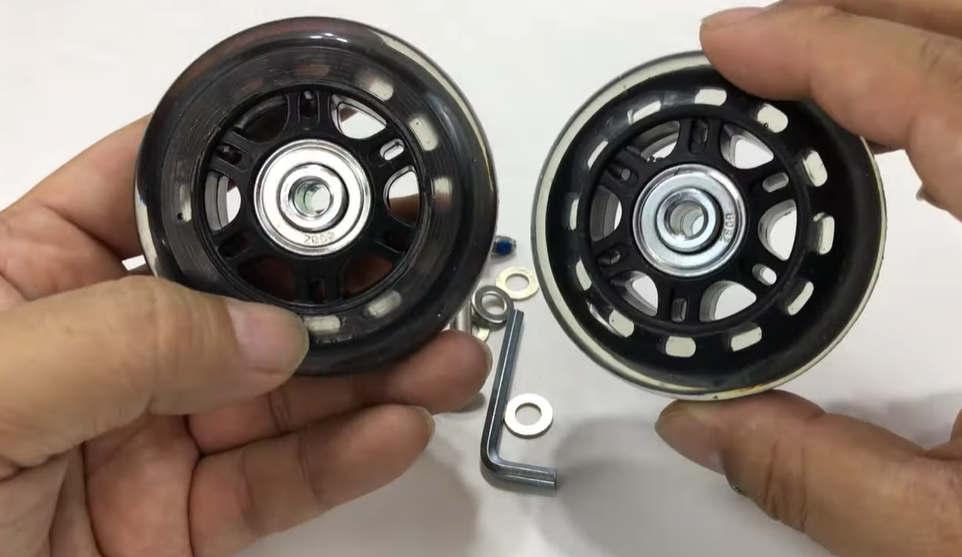
The right rollerblade wheels for your luggage can change all that. Smooth, durable wheels make rolling your suitcase effortless and quiet.
Common Failure Modes In Luggage Wheels
Luggage wheels face many stresses during travel. Understanding how and why they fail helps in picking the right wheels. Here are the most common failure modes:
- Wheel Cracking: Occurs due to impact or poor material quality. Cracks make wheels unstable and prone to breaking.
- Axle Damage: The axle holds the wheel in place. It can bend or break from rough handling or overloading.
- Wheel Detachment: Wheels sometimes come off if the attachment mechanism is weak or worn out.
- Worn Tread: Continuous use on rough surfaces wears down the tread, reducing traction and smooth rolling.
- Rust and Corrosion: Metal parts exposed to moisture can rust, causing stiffness or failure.
Each failure reduces luggage functionality and can lead to total wheel replacement. Below is a comparison table of common luggage wheel materials and their durability traits:
| Wheel Material | Durability | Common Issues | Best For |
|---|---|---|---|
| Polyurethane (PU) | High | Wear over time on rough surfaces | Airport floors, smooth surfaces |
| Rubber | Medium | Cracking, flattening | Mixed surfaces, uneven terrain |
| Plastic | Low | Cracking, breaking under stress | Lightweight, budget luggage |
| Metal (with rubber coating) | Very High | Rust if exposed to moisture | Heavy luggage, rugged use |
The Ultimate Carry-On Luggage Guide 2025: Expert Picks & Airline Rules
Types Of Luggage Wheels
Durable luggage wheels make travel smoother and reduce repair needs. Different types of wheels suit different travel styles and surfaces. Understanding these wheel types helps pick luggage that stays reliable over time. Below are the main types of luggage wheels and their key features.
Spinner Wheels
Spinner wheels are popular for their 360-degree rotation. Each suitcase has four spinner wheels, letting you push or pull the luggage in any direction with little effort. This design makes moving through crowded airports and narrow aisles easier.
Key features of spinner wheels:
- Easy maneuverability: Rotate in all directions for smooth turns.
- Less wrist strain: Push beside you instead of pulling behind.
- Good on flat surfaces: Works best on smooth floors like airport terminals.
Spinner wheels are usually made from hard plastic or polyurethane. Polyurethane wheels last longer and resist cracks better. They also absorb shocks well, protecting the luggage from bumps.
| Feature | Spinner Wheels |
|---|---|
| Number of Wheels | Four |
| Movement | 360-degree rotation |
| Best Surface | Smooth, flat |
| Durability | Moderate to high (depends on material) |
Spinner wheels may struggle on rough roads or gravel. They can get stuck or wear down faster in such conditions. For mostly smooth airport floors, they offer excellent convenience.
Inline Skate Wheels
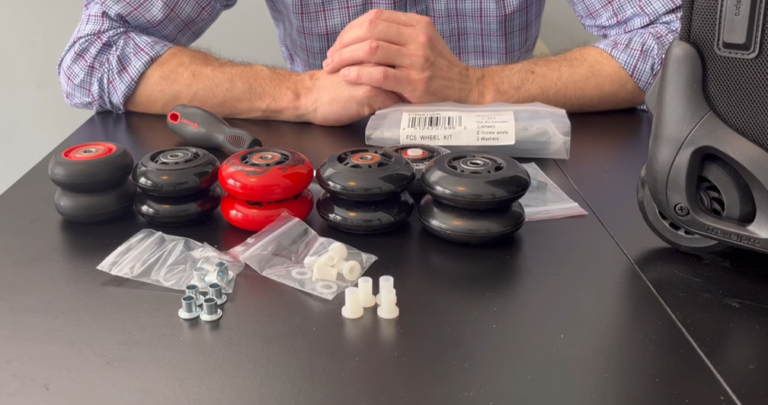
Inline skate wheels are inspired by rollerblades. These wheels are larger and placed in pairs on the suitcase’s base. They roll straight and are known for durability and smooth movement.
Advantages of inline skate wheels include:
- Strong build: Made from tough polyurethane for long life.
- Good on uneven surfaces: Handles rough pavements and streets well.
- Less likely to break: Fewer small parts than spinner wheels.
Inline skate wheels provide stability but require tilting the suitcase while moving. They do not rotate 360 degrees like spinner wheels. This may make tight turns harder, but they excel on rough terrain.
| Feature | Inline Skate Wheels |
|---|---|
| Number of Wheels | Two (usually) |
| Movement | Straight rolling |
| Best Surface | Rough, uneven |
| Durability | High |
Travelers who walk on streets or sidewalks prefer inline skate wheels. They offer a smooth ride and resist damage from bumps or cracks in the pavement.
Double Wheels
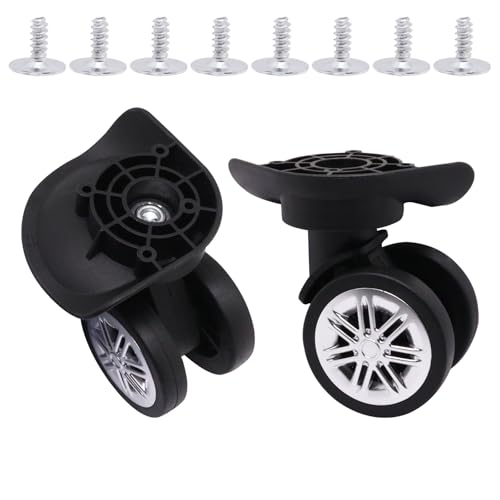
Double wheels are pairs of wheels mounted together on each corner of the luggage. This design increases contact with the ground and improves balance.
Benefits of double wheels include:
- Better stability: Wider base reduces tipping risks.
- Smoother movement: Two wheels share the load, easing roll.
- Durable materials: Usually made from polyurethane or rubber.
Double wheels can either be spinner type or inline skate type. The double setup helps luggage glide over bumps and small obstacles more easily. It also reduces wear by distributing pressure evenly.
| Feature | Double Wheels |
|---|---|
| Number of Wheels | Usually eight (four pairs) |
| Movement | Depends on wheel type (spinner or inline) |
| Best Surface | Varied, good on uneven ground |
| Durability | High |
Hybrid And Convertible Wheel
Hybrid wheels combine features from spinner and inline skate wheels. Convertible wheels allow switching between spinner and inline modes.
Features of hybrid and convertible wheels include:
- Versatility: Adapt to different terrains and user preferences.
- Durability: Made from strong polyurethane and robust parts.
- Multi-mode movement: Switch between 360-degree rotation and straight rolling.
These wheels suit travelers who face varied surfaces. The ability to change wheel mode adds convenience and extends wheel life.
| Feature | Hybrid / Convertible Wheels |
|---|---|
| Number of Wheels | Four (spinner style) or two (inline style) |
| Movement | Switchable: 360-degree or straight rolling |
| Best Surface | Both smooth and rough |
| Durability | High |
Hybrid and convertible wheels offer the best of both worlds. They provide smooth rolling on smooth floors and strong performance on rough ground.
Materials Used In Luggage Wheels
Choosing the right luggage wheels plays a big role in how long your suitcase lasts and how easy it is to move. The material of the wheels affects their strength, smoothness, and ability to handle rough surfaces. Different materials offer different benefits and drawbacks. Understanding these materials helps you pick wheels that stay durable through many trips. Below, we explore the most common materials used in luggage wheels and what makes each one special.
Polyurethane
Polyurethane (PU) wheels are popular for their balance of durability and smooth rolling. These wheels combine strength and flexibility, making them resistant to wear and tear. PU wheels glide quietly and handle different surfaces well.
Key features of polyurethane wheels:
- Durability: PU resists cracks and chips better than many plastics.
- Smooth Ride: It absorbs shocks and rolls easily on rough and smooth floors.
- Noise: Produces less noise compared to hard plastic wheels.
- Weather Resistance: Works well in hot and cold climates without degrading quickly.
Here is a quick comparison of polyurethane wheel properties:
| Property | Benefit |
|---|---|
| Flexibility | Good shock absorption |
| Hardness | Firm but not brittle |
| Wear Resistance | High, lasts longer |
| Noise Level | Low |
Polyurethane wheels are ideal for travelers who want a quiet and smooth experience. They perform well on airport floors and sidewalks. Their durability makes them a solid choice for frequent travelers.
Rubber
Rubber wheels offer excellent grip and cushioning. They are softer than polyurethane and plastic wheels, which helps when moving over rough or uneven terrain. Rubber wheels reduce vibration and protect your luggage from jolts.
Main advantages of rubber wheels:
- Traction: Rubber grips surfaces well, preventing slipping.
- Shock Absorption: Cushions bumps for a smoother ride.
- Quiet Operation: Less noise on hard floors compared to plastic wheels.
- Durability: Can wear down faster on rough surfaces but resists cracking.
Consider this table for rubber wheel traits:
| Property | Effect |
|---|---|
| Softness | Better shock absorption |
| Grip | Strong traction |
| Wear | Moderate, wears on rough terrain |
| Noise | Low |
Rubber wheels suit travelers who move across uneven paths or cobblestone streets. Their grip and cushioning keep luggage stable and comfortable to pull. They need occasional checks for wear if used on rough surfaces often.
Plastic
Plastic wheels are common in budget luggage options. They are lightweight and inexpensive but may lack durability compared to polyurethane or rubber. Plastic wheels are usually harder and can wear out faster, especially on rough surfaces.
Important points about plastic wheels:
- Cost: Most affordable option.
- Weight: Very light, reducing overall luggage weight.
- Durability: Prone to cracking and chipping.
- Noise: Can be noisy on hard floors.
Check this summary of plastic wheel qualities:
| Property | Result |
|---|---|
| Hardness | Very hard, less shock absorption |
| Wear Resistance | Low, breaks easily |
| Noise | High on hard surfaces |
| Cost | Low |
Plastic wheels work for travelers on smooth, even surfaces and who want lighter luggage. They require careful handling to avoid damage. For frequent trips or rough terrain, stronger materials are better.
Durability Factors
Durability factors play a major role in deciding which luggage wheels last the longest. Travelers want wheels that withstand rough surfaces, heavy loads, and frequent use. Several key elements affect wheel durability, including how the wheel is built, the quality of its bearings, and the size and thickness of the wheel itself. Each factor influences the wheel’s strength, smoothness, and ability to resist damage over time.
Wheel Construction
The construction of luggage wheels determines their toughness and performance. Most durable wheels are made from strong materials like polyurethane or thermoplastic rubber (TPR). These materials resist cracking and wear better than cheap plastic. The design also matters. Wheels with a solid core and a thick outer layer handle impacts and rough terrain well.
- Polyurethane wheels offer excellent grip and last longer on hard surfaces.
- TPR wheels provide smooth rolling and absorb shocks better.
- Cheap plastic wheels tend to crack and wear quickly.
Wheel shape influences durability too. Rounded edges prevent damage when hitting curbs or bumps. Double wheels distribute weight better and reduce stress on each wheel, increasing lifespan.
| Material | Durability | Common Use |
|---|---|---|
| Polyurethane | High | Premium luggage wheels |
| Thermoplastic Rubber (TPR) | Moderate to High | Mid-range luggage |
| Plastic | Low | Budget luggage |
Bearing Quality
Bearings help wheels spin smoothly and reduce friction. The quality of bearings directly affects wheel durability. High-quality bearings last longer and roll with less effort. Low-quality bearings wear out quickly and cause wheels to wobble or jam.
Bearings come in different grades. Chrome steel bearings are common and durable. Stainless steel bearings resist rust and last longer in wet conditions. Ceramic bearings are very smooth and strong but cost more.
- Good bearings reduce noise and make wheels glide easily.
- Poor bearings cause rough rolling and fast wear.
- Maintenance like cleaning and lubrication extends bearing life.
Look for luggage with sealed or shielded bearings. These keep dirt and water out, protecting the bearing inside. Bearings without seals wear out faster, especially in harsh travel conditions.
Sealed Vs. Open Bearings In Travel Environments
Sealed bearings have a cover that protects the inside from dirt, dust, and moisture. Open bearings lack this cover and are more vulnerable to damage. Sealed bearings keep grease inside and contaminants outside, which increases lifespan.
Travel environments often expose wheels to sand, water, and rough surfaces. Sealed bearings handle these challenges better:
- Prevent dirt buildup that causes jamming.
- Reduce corrosion from water exposure.
- Require less maintenance.
Open bearings may be cheaper but often fail faster under tough conditions. In dusty or wet travel areas, open bearings risk rust and dirt damage. Sealed bearings improve wheel reliability and reduce repair needs.
| Feature | Sealed Bearings | Open Bearings |
|---|---|---|
| Dirt Resistance | High | Low |
| Water Resistance | High | Low |
| Maintenance | Low | High |
| Cost | Higher | Lower |
Wheel Size And Thickness
Wheel size and thickness impact durability and ease of rolling. Larger wheels handle rough terrain better. They roll over cracks and bumps with less effort. Small wheels get stuck more easily and wear down faster.
Thicker wheels spread the load over a bigger surface. This reduces pressure on each part of the wheel. Thinner wheels wear out quickly under heavy luggage weight.
- Larger wheels (above 3 inches) are best for uneven surfaces and long trips.
- Smaller wheels (below 2.5 inches) suit smooth airport floors but wear fast outdoors.
- Thick wheels last longer and offer better shock absorption.
- Thin wheels may feel lighter but sacrifice durability.
Choosing wheels with the right size and thickness helps luggage survive tough travel conditions and heavy use.
Performance On Different Terrains
Travel routes vary widely—from polished airport floors to bumpy sidewalks and steps. Wheels that work well on one surface may struggle on another. Understanding wheel types and their strengths helps select luggage that lasts and moves smoothly. Below, we explore wheel performance on various surfaces travelers face.
Smooth Surfaces
Airport terminals, hotel lobbies, and shopping malls usually have smooth floors. Hard, flat surfaces allow luggage wheels to roll easily with minimal effort. Spinner wheels and inline skate wheels excel here. Spinner wheels rotate 360 degrees, making turns simple and quick. Inline skate wheels, often made of polyurethane, glide smoothly but move mainly forward and backward.
- Spinner wheels offer great maneuverability on smooth floors.
- Inline skate wheels provide stable, fast rolling straight ahead.
- Hard plastic or polyurethane materials reduce friction on polished surfaces.
- Soft rubber wheels may wear faster but offer quiet movement.
Below is a quick comparison of wheel types on smooth surfaces:
| Wheel Type | Durability | Maneuverability | Noise Level |
|---|---|---|---|
| Spinner Wheels | High | Excellent | Moderate |
| Inline Skate Wheels | High | Good (straight only) | Low |
| Rubber Wheels | Medium | Good | Low |
On smooth surfaces, wheels with hard materials and good rotation offer the best durability and ease of use. They resist damage from constant rolling and maintain stability.
Rough And Uneven Surfaces
Sidewalks, cobblestones, gravel paths, and dirt roads challenge luggage wheels. Small wheels can get stuck or damaged easily. Larger wheels with thicker treads handle rough terrain better. Rubber or pneumatic wheels absorb shocks and roll over bumps smoothly.
- Small hard wheels can crack or break on uneven ground.
- Wheels with treads grip better on loose surfaces.
- Large diameter wheels roll over obstacles easier.
- Pneumatic (air-filled) wheels provide cushioning but add weight.
Here is a brief guide to wheel types suited for rough terrain:
| Wheel Type | Shock Absorption | Size | Durability |
|---|---|---|---|
| Rubber Wheels with Treads | Good | Medium-Large | High |
| Pneumatic Wheels | Excellent | Large | Medium-High |
| Hard Plastic Wheels | Poor | Small | Low |
Tip: Choose luggage with wheels designed for outdoor use to avoid frequent repairs or replacements.
Stairs And Curbs
Steps and curbs require wheels that can handle vertical movement and impacts. Most luggage wheels struggle here because they are fixed to the bottom. Multi-wheel clusters or tri-wheel designs help roll luggage up stairs more easily. These wheels rotate around a central hub, allowing one wheel to stay on the stair while others move forward.
- Standard two-wheel luggage requires lifting on stairs.
- Tri-wheel setups roll better on steps and curbs.
- Durable materials resist damage from frequent impacts.
- Wheels should be securely attached to avoid loosening.
Check this comparison for stair performance:
| Wheel Design | Ease on Stairs | Durability | Weight Impact |
|---|---|---|---|
| Standard Two Wheels | Poor | High | Low |
| Tri-Wheel Cluster | Good | Medium | Medium |
| Spinner Wheels | Moderate | Medium | Low |
For frequent stair use, tri-wheel luggage improves durability and ease. This design reduces strain on wheels and arms during travel.
Spinner Vs. Inline Wheels: Durability Comparison
Spinner wheels and inline wheels both have strengths and weaknesses in durability. Understanding their differences helps pick the best option for travel needs.
What Are Spinner Wheels?
Spinner wheels are small wheels mounted on each corner of the luggage. They spin 360 degrees, allowing easy movement in any direction. This design makes it simple to roll the bag beside or in front of you.
Durability Factors:
- Spinner wheels often face more wear because they touch the ground more.
- Their small size makes them vulnerable to cracks on rough surfaces.
- Good spinner wheels use strong materials like polyurethane or rubber.
- High-quality bearings improve wheel rotation and reduce damage.
What Are Inline Wheels?
Inline wheels are larger and fixed in one direction. They usually have two wheels on one side and roll forward or backward only. Travelers tilt the bag to roll it, reducing wheel contact with rough surfaces.
Durability Factors:
- Inline wheels are generally larger and more robust.
- They handle uneven surfaces better than spinner wheels.
- Less wheel rotation means fewer chances of mechanical failure.
- Materials like hard rubber or polyurethane improve lifespan.
Durability Comparison Table
| Feature | Spinner Wheels | Inline Wheels |
|---|---|---|
| Wheel Size | Small | Large |
| Movement | 360-degree rotation | Fixed forward/backward |
| Wear on Rough Surfaces | High | Low |
| Ease of Repair | Moderate | High |
| Lifespan | Short to Medium | Medium to Long |
Choosing Durable Wheels For Different Travels
Spinner wheels suit smooth airport floors and light loads. Inline wheels work better on rough paths and heavy luggage. Travelers who move on varied surfaces benefit from inline wheels.
Both types need regular cleaning and maintenance to last longer. Dirt and debris reduce wheel function and cause damage.
Maintenance Tips For Longer Wheel Life
Proper maintenance plays a key role in extending the life of your wheels. Simple care routines keep wheels rolling smoothly and prevent costly replacements. The following tips help maintain wheel performance and durability over time.
Cleaning And Lubrication
Regular cleaning removes dirt and debris that cause wheel damage. Use a soft cloth or brush to clear dust and grime from wheel surfaces. Avoid harsh chemicals that can degrade plastic or rubber parts.
- Wipe wheels with a damp cloth after each trip.
- Use mild soap and water for deep cleaning.
- Remove stuck stones or mud carefully with a toothpick or small tool.
Lubrication reduces friction and prevents squeaking. Apply a small amount of lubricant to wheel axles and bearings. Use lubricants designed for plastic or metal parts, such as silicone spray or light oil.
| Step | Action | Tip |
|---|---|---|
| 1 | Clean wheels | Use mild soap and water |
| 2 | Dry completely | Prevent rust and damage |
| 3 | Apply lubricant | Use silicone spray or light oil |
| 4 | Spin wheels to distribute | Ensure smooth movement |
Perform this cleaning and lubrication every 2-3 months for frequent travelers. Less frequent trips require maintenance before and after travel. Proper cleaning and lubrication keep wheels turning easily and prevent early wear.
Regular Inspections
Check luggage wheels often to catch issues early. Frequent inspections reduce the risk of sudden wheel failure during travel. Look for signs like cracks, flat spots, or loose fittings.
- Spin wheels to listen for rough sounds or grinding.
- Look for worn tread or uneven wear patterns.
- Test wheel attachment points for looseness or movement.
- Check for missing screws or broken parts.
Use this checklist to guide your inspection:
| Inspection Point | What to Look For | Action If Found |
|---|---|---|
| Wheel Surface | Cracks, flat spots, wear | Replace wheel if damaged |
| Wheel Bearings | Noise, stiffness | Clean and lubricate or replace |
| Attachment Points | Loose screws or parts | Tighten or repair promptly |
Inspect wheels after every trip or at least once every three months. Early detection of problems saves money and stress on the road.
Proper Storage
Storing luggage correctly protects wheels from damage and deformation. Poor storage leads to flat spots or rust on metal parts. Store luggage in a dry, cool place away from direct sunlight.
Follow these storage tips:
- Keep luggage upright on its wheels to maintain shape.
- Avoid stacking heavy items on top of the luggage.
- Store in a dust-free area or cover with a cloth bag.
- Remove detachable wheels if possible during long storage.
Table below summarizes good and bad storage habits:
| Good Storage Practices | Bad Storage Practices |
|---|---|
| Upright position | Lying flat on wheels |
| Dry, cool environment | Humid or damp area |
| Covered with cloth or bag | Exposed to direct sunlight |
| Remove wheels if stored long | Leave wheels attached and weight on them |
Proper storage keeps wheels in good shape and ready for smooth travel every time.
Top Brands Known For Durable Wheels
Choosing luggage with durable wheels is key for smooth travel. Strong wheels handle rough surfaces and last longer. Several top brands focus on creating sturdy luggage wheels. These brands use quality materials and smart designs. Their wheels resist wear and tear better than most.
Samsonite
Samsonite is famous for tough luggage wheels. They use double spinner wheels that roll smoothly on different surfaces. The wheels are made from high-quality materials like polyurethane. This material resists scratches and cracks. Samsonite wheels offer great balance and easy control.
Travelpro
Travelpro builds wheels for frequent flyers. Their wheels have strong ball bearings for quiet, smooth movement. Travelpro uses durable polyurethane wheels, which reduce wear from airports and sidewalks. Their design helps the luggage stay stable, even when full.
The Ultimate Samsonite vs. Travelpro Review
Tumi
Tumi focuses on luxury and durability. Their wheels use precision ball bearings and tough rubber compounds. Tumi wheels glide silently and resist damage. The brand tests wheels for long-term use, ensuring they last through many trips.
Briggs & Riley
Briggs & Riley offers wheels with strong construction and smooth rotation. Their wheels are made with high-grade materials and tested for impact resistance. These wheels roll easily on uneven surfaces, making travel less stressful.
| Brand | Wheel Material | Key Feature | Durability Level |
|---|---|---|---|
| Samsonite | Polyurethane | Double spinner wheels for smooth balance | High |
| Travelpro | Polyurethane | Ball bearings for quiet, smooth roll | High |
| Tumi | Rubber composite | Precision ball bearings, silent glide | Very High |
| Briggs & Riley | High-grade plastic & rubber | Impact-resistant, smooth rotation | High |
User Reviews And Real-world Testing
User reviews and real-world testing offer valuable insights into the durability of luggage wheels. These sources reveal how wheels hold up under different travel conditions. Reviews from travelers show common issues like wheel breakage, wobbling, and noise. Real-world tests put luggage through tough environments, such as rough pavements and long airport walks. Together, these help identify which wheel types last the longest and offer smooth performance.
User Feedback On Wheel Durability
Travelers often share their experiences on online stores and forums. Common points include:
- Spinner wheels generally provide easy movement but may wear out faster on rough surfaces.
- Inline wheels tend to be sturdier and better for uneven terrain.
- Plastic wheels break or crack more often than rubber or polyurethane wheels.
- Some users mention squeaky or stiff wheels after several trips.
Consistent feedback helps spot reliable wheel types and brands.
Real-world Durability Testing Methods
Testers simulate travel conditions to check wheel strength. Common methods include:
- Rolling luggage over gravel and cobblestones to test shock resistance.
- Dragging luggage through airports for long distances.
- Dropping luggage to observe wheel impact tolerance.
- Testing wheel rotation smoothness after repeated use.
These tests show which wheels resist damage and stay functional.
Comparison Table Of Wheel Types Based On User Reviews And Tests
| Wheel Type | Durability | Performance on Rough Surfaces | User Satisfaction |
|---|---|---|---|
| Spinner Wheels | Moderate | Fair | Good for smooth floors, some durability concerns |
| Inline Wheels | High | Excellent | Highly rated for durability and rough terrain |
| Plastic Wheels | Low | Poor | Many complaints about breakage |
| Polyurethane Wheels | High | Good | Positive reviews for smoothness and strength |
Frequently Asked Questions
Which Luggage Wheels Last The Longest?
Durable luggage wheels are usually made from high-quality polyurethane or rubber. These materials resist wear, cracks, and rough surfaces, ensuring longer lifespan. Spinner wheels with sealed bearings also enhance durability by preventing dirt buildup and friction.
Are Spinner Or Inline Wheels More Durable?
Inline wheels are generally more durable due to their simple design and fewer moving parts. Spinner wheels offer better maneuverability but may wear faster on uneven surfaces. Choose based on your travel style and durability needs.
How To Maintain Luggage Wheels For Durability?
Regularly clean wheels to remove dirt and debris. Lubricate bearings with silicone spray to reduce friction. Avoid overloading luggage to prevent wheel damage. Proper maintenance extends wheel life significantly.
Do Hard Or Soft Wheels Last Longer?
Hard wheels, often made of plastic or polyurethane, last longer on smooth surfaces. Soft rubber wheels offer better shock absorption but wear out faster on rough terrain. Select based on your typical travel environment.
Conclusion
Durable luggage wheels make travel easier and less stressful. Hard plastic wheels work well on smooth floors. Rubber wheels handle rough surfaces better and last longer. Spinner wheels offer smooth movement in all directions. Choose wheels based on how often and where you travel.
Check wheel size and material before buying. Good wheels save money by avoiding repairs. Think about your travel style and luggage weight. Strong wheels keep your bags rolling without trouble. Durable wheels help your luggage last through many trips.

Md Abdul Muhaimen is an experienced travel content writer and guide who has a Master’s in Information Systems Management from the University of Huddersfield. He is passionate about all things related to travel logistics and trip planning, and has assisted thousands of readers in choosing the proper luggage, knowing which items can be included in carry-on luggage, and understanding an airline’s policy with confidence.
Md Abdul has a sound grounding in systems thinking and data-driven content creation that allows him to bring clarity to complicated travel topics — from comparing the exact sizes of cabin bags from multiple airlines to developing helpful how-to guides to simplify a traveler’s experience.
He actually engages in travel forums on Quora, answers real user questions, and shares insights by posting on Medium blogs
.His work marries first-hand research, consumer-focused advice, and technical accuracy, and he is a voice that can be trusted among the travel and luggage community.

2 Comments
Comments are closed.