
 Posted by
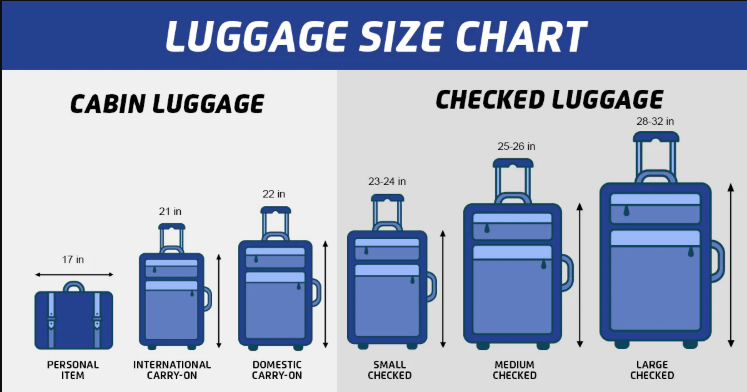
 The choice between carry-on and checked luggage depends on trip length and budget. Carry-on luggage stays with you in the cabin, typically limited to 55 x 40 x 20 cm and 7–10 kg, offering faster airport exits and no baggage fees. Checked luggage travels in the cargo hold, allowing for up to 23 kg (50 lbs) and no liquid restrictions, but involves fees and waiting at baggage claim.
What’s the difference between carry-on luggage and checked luggage?
In my experience, the main difference is where your bag sleeps during the flight. Carry-on luggage stays with you in the cabin, tucked into the overhead bin or under your seat. Checked luggage is handed over at the counter to travel in the aircraft’s cargo hold. Choosing between them usually means balancing convenience against capacity. I’ve found that a quick weekend in Barcelona works perfectly with just a backpack, while a two-week winter trip requires the extra room for bulky coats.
Samsonite Proxis Global Carry-on Spinner Review 2026 – (Real Travel Test & Honest Breakdown)
Definition of carry-on luggage
Whenever I fly with just a carry-on, I feel like a bit of a travel pro. It’s that small bag you keep by your side from the gate to the galley. However, you have to be careful—most airlines are strict about size and weight limits. I once had to pay a $50 fine at the gate because my wheels stuck out just an inch too far!
- Proximity: It stays in the cabin with you.
- Storage: Fits in the overhead bin or under the seat in front of you.
- Rules: Must meet specific dimensions (usually around 22 x 14 x 9 inches).
Definition of checked luggage
Checked luggage is for those times when I just can’t leave my favorite hiking boots behind. You hand these larger suitcases over at the check-in desk before you even pass through security. While it’s nice not to lug a heavy bag through the terminal, you do have to wait for it at the baggage claim carousel after you land.
- Size: Much larger capacity for long trips.
- Location: Stored in the belly of the plane (cargo hold).
- Process: You get a tracking tag and pick it up at the end of your journey.
Why this choice matters for travelers
I’ve learned the hard way that this decision shapes your entire airport vibe. On one trip to London, choosing to check my bag cost me an extra 45 minutes at the carousel, making me miss my train. Data shows that 97% of bags arrive on time, but that 3% risk of a “lost bag” can be stressful.
Choosing the right bag affects:
- Your Budget: Many budget airlines charge $30–$75 for a checked bag.
- Your Time: Carry-on users save an average of 20–30 minutes by skipping the luggage lines.
- Your Stress: Having your essentials (and a change of clothes) in the cabin provides a safety net if things go wrong.
When should you choose carry-on luggage?
I choose carry-on luggage when I want to feel fast and free. It is best for short trips where I want to avoid the wait at the bag carousel. You gain total control over your gear and skip those pesky extra fees. If you can fit your life into a small bag for a few days, you will walk out of the airport while others are still standing in line.
Best scenarios for carry-on only
I remember landing in Paris for a quick weekend getaway. While my friends stood by the belt, I was already sipping coffee at a cafe. This style works best for:
- Short business trips: Just a suit and a laptop.
- Tight layovers: You don’t have to worry if your bag made the connection.
- Minimalist vibes: If you only need three shirts and a pair of jeans, why go big?
Advantages of carry-on luggage
The best part? You save money. Most budget airlines charge $30 to $50 for a checked bag each way. By going “carry-on only,” I keep that cash for better meals. Plus, there is zero risk of the airline losing your bag. It stays right above your head where you can see it.
Limitations to consider
It isn’t always easy. I once had to throw away an expensive bottle of sunblock because it was over the 100ml limit. You also have to lift that bag into the bin. If it weighs more than 7kg to 10kg, your arms will feel it after a long walk through the terminal.
When is checked luggage the better option?
Checked luggage is my go-to for long trips or family travel. It offers the space you need for heavy coats, extra shoes, or gifts for friends. You won’t have to play “suitcase Tetris” to close the lid. It is the best choice when comfort matters more than speed and you want to bring full-sized liquids like shampoo.
Ideal situations for checked baggage
Last winter, I went on a ski holiday. There was no way my thick parka and boots would fit in a tiny bin! I check my bag for:
- Two-week vacations: You need more outfit choices.
- Family travel: Packing for kids requires a lot of “just in case” items.
- Special gear: Items like hiking poles or large cameras must be checked.
Benefits of checking a bag
I love walking through the airport with just my phone and a small book. Your shoulders will thank you! You also don’t have to worry about the 3-1-1 liquid rule. You can pack that big bottle of wine or a large tube of toothpaste without a second thought.
Downsides you might face
The wait is the hardest part. On average, it takes 20 to 45 minutes for bags to hit the carousel. There is also a small chance of a mishap. Industry data shows about 6.9 bags per 1,000 passengers are delayed or lost. It’s a small risk, but it can be a headache if it happens to you.

What are airline rules for carry-on vs checked luggage?
I have learned that airline rules act as the guardrails of your trip. Most carriers stick to a standard size for carry-on luggage, usually around 55 x 40 x 20 cm. For checked luggage, the weight limit is often a strict 23 kg. If you know these rules before you leave for your holiday, you can avoid that frantic, sweaty reshuffle of clothes at the check-in desk.
Cabin Max Metz Stowaway 20L — Real Testing, Airline Fit, and Whether It’s Actually Worth It
Carry-on size and weight limits
I once spent ten minutes trying to shove my overstuffed bag into a metal sizer bin while a line of people watched. It was not my best look! Most airlines want your bag to be no larger than 55 x 40 x 20 cm. Weight is just as vital. Many budget lines limit you to 7 kg, while full-service flights might give you up to 10 kg. Always check your ticket, as even a 0.5 kg excess can lead to a forced gate-check.
Checked baggage allowances
When I head out for a long weekend or a two-week trip, I often rely on a larger suitcase. The magic number for most airlines is 23 kg (50 lbs). If you go over, the fees are steep—sometimes $100 or more. I always use a small hand scale at home to be sure. It saves me from the stress of the airport scale’s glowing red numbers.
Security restrictions (liquids, sharp objects)
Security is where things get real. I still remember the heartbreak of losing a fancy bottle of jam because it counted as a liquid. In your cabin bag, liquids must be in containers of 100 ml or less. They all have to fit in one clear, quart-sized bag. If you have a pocket knife or large scissors, they must go in your checked bag, or the bins will claim them forever.
How do costs compare between carry-on and checked luggage?
In my experience, carry-on luggage is usually the cheaper path, but that is changing fast. While premium seats include bags, budget airlines often charge more for a suitcase than the seat itself. Comparing costs requires a sharp eye. A “free” carry-on might only be a small personal item that fits under your seat, forcing you to pay $30 to $60 for a real overhead bag.
Typical baggage fees
I’ve seen checked bag fees range from $30 to $75 per flight. If your bag is overweight, those costs can double. On a recent trip, I saw a traveler pay $150 just because their bag was 5 kg over the limit. It pays to be precise. Checking your bag online before you arrive at the airport can often save you 20% to 50% compared to the desk price.
Budget airlines vs full-service airlines
The difference here is huge. Full-service airlines usually give you one checked bag for “free” on long flights. Budget carriers treat every bag like a luxury. I once flew a low-cost line where the base fare was $40, but adding a checked bag was $55. It feels a bit like a trap, so I always add my bags during the initial booking to get the best rate.
Hidden costs travelers overlook
There are sneaky fees that catch me off guard if I’m not careful. Some airlines charge a $10 to $20 convenience fee just to check your bag with a human rather than a kiosk. Others offer “priority boarding” just so you are guaranteed space for your carry-on. If the bins fill up, the airline might check your bag for free, but you still lose that “fast exit” advantage.
Which option is safer for your belongings?
In my experience, carry-on luggage is the safest choice because your gear never leaves your sight. When you keep your bag in the cabin, you eliminate the chance of a stranger mishandling your zippers. While checked bags are usually fine, they do face a small risk of being lost or sent to the wrong city. I always feel more relaxed knowing my laptop and passport are just a few inches above my head.
Risk of lost or delayed baggage
I once spent a three-day holiday in Rome wearing the same outfit because my checked bag took a detour to Madrid. It wasn’t fun! Statistics show that about 0.6% of bags are mishandled globally. That sounds small, but if you have a tight layover, that risk jumps. Checked bags go through many hands and belts, which naturally increases the chance of a delay.
Protecting valuables while traveling
My rule is simple: if I can’t live without it, it stays with me. I always put my jewelry, camera, and chargers in my carry-on. For my checked suitcase, I use a TSA-approved lock. I also hide a small Bluetooth tracker inside. Seeing my bag’s location on my phone gives me great peace of mind while I wait at the carousel.
Airline liability and compensation
If the worst happens, don’t expect a huge payday. Airlines have strict limits on what they will pay for a lost bag. In the U.S., the limit is often around $3,800 per passenger. However, the claims process is slow and requires lots of receipts. I’ve found it is much easier to just keep my expensive items in the cabin from the start.
How does each option affect your travel experience?
Your choice of bag changes the whole “flavor” of your trip. Traveling with a carry-on makes me feel light and agile, like I am gliding through the terminal. Checking a bag feels more like a slow, steady march. One offers a quick exit on a Friday night, while the other lets you bring five pairs of shoes for a fancy weekend away.
Airport time and convenience
I love the “zip and go” lifestyle. With a carry-on, I skip the check-in line and the baggage claim. This saves me about 45 minutes on every flight. On the other hand, checking a bag means I have to arrive at the airport earlier. If you hate standing in lines, the carry-on path is definitely the winner for your sanity.
Comfort during transit
Let’s be honest: lugging a bag through a huge airport is a workout. When I check my bag, my hands are free for a coffee or to browse the shops. I don’t have to sweat while searching for an open overhead bin. If you have a long walk to your gate, “checked” is the way to go for pure physical comfort.
Flexibility during delays or layovers
During a flight delay, a carry-on is a lifesaver. I once had a flight cancelled and was moved to a new airline. Since I had my bag with me, I switched gates in five minutes. If my bag had been checked, I would have waited hours for the crew to find it. Having your bag gives you the power to pivot when travel plans go wrong.
What packing strategies work best for each?
In my experience, a great trip starts with how you pack. For carry-on luggage, I focus on saving space and following liquid rules to keep things fast. For checked luggage, I pack for comfort and spread out the weight. Using tools like packing cubes can save you up to 30% more space in your bag. Whether I am going for a quick weekend away or a long holiday, I plan my gear to fit my goals.
Efficient carry-on packing tips
I used to struggle with small bags until I found a few tricks. Now, I can fit five days of clothes into a tiny case!
- Use packing cubes: These little bags keep my shirts neat. They help me fit 25% more items by squishing the air out.
- Wear your bulk: If I’m going somewhere cold, I wear my heavy coat and boots on the plane.
- The 3-1-1 rule: I keep all my liquids in one small bag. It makes the security line much faster.
Smart checked luggage packing
When I check a bag, I have more room, but I still have to be smart. I once had a bottle of shampoo burst in my bag—what a mess!
- Seal your liquids: I put tape over bottle caps and use plastic bags to stop leaks.
- Distribute weight: I put heavy shoes at the bottom near the wheels. This keeps the bag from tipping over.
- Pack a “survival kit”: I always keep a change of clothes in my small personal bag. If the airline loses my main bag, I can still enjoy my first day of vacation.
Hybrid strategy (best of both worlds)
Sometimes, one bag is not enough. For a long trip to Japan, I used a large checked bag for my clothes and a carry-on for my camera and laptop. This gives me the most freedom. I put the heavy stuff in the belly of the plane and keep my expensive gear right under my seat.
Carry-on vs checked luggage: which one is right for you?
Deciding on the right bag depends on your trip and your style. I choose carry-on luggage when I want to save time and money. I go with checked luggage when I need more outfits or full-sized gear. There is no wrong choice, but knowing the rules helps you avoid fees. Most travelers find that their needs change based on the location and reason for the flight.
Quick decision checklist
Before I book my flight, I ask myself these four questions:
- Trip length: Is it just a weekend or a whole month?
- Budget: Does the airline charge $50 just to check a bag?
- Activities: Do I need bulky gear like hiking boots or a suit?
- Wait time: Am I okay waiting 30 minutes at the bag belt?
Traveler personas (real-life examples)
- The Minimalist: This is me on a short work trip. I bring one bag and skip all the lines.
- The Over-Packer: This is my friend who needs five pairs of shoes “just in case.” They always check a bag.
- The Family Traveler: Parents usually need the big bags for diapers, toys, and extra snacks.
Final thought to guide your choice
My best advice is to match your bag to the experience you want. If you want to feel light and fast, go small. If you want to feel prepared and cozy, go big. Just remember to check the weight before you leave the house!
Frequently Asked Questions (FAQs) Carry-On Luggage vs Checked Luggage
Is it better to carry on or check a bag?
It is better to carry on for short trips to save time and avoid fees. Choose checked luggage for long holidays or when you need to pack bulky items and large liquids.
What are the standard carry-on size limits?
Most airlines allow a bag up to 55 x 40 x 20 cm (22 x 14 x 9 inches). Always check your airline’s specific weight limit, as many cap carry-ons at 7 kg to 10 kg.
Can I bring full-sized shampoo in my carry-on?
No, you cannot. All liquids in carry-on bags must be 100 ml (3.4 oz) or less. To bring full-sized toiletries, you must pack them in your checked luggage.
How much does it cost to check a bag?
Typical checked bag fees range from $30 to $75 per flight. You can often save 20% to 50% by paying for your bags online before you arrive at the airport.
Is checked luggage safe from being lost?
While 99.4% of bags arrive safely, there is always a small risk. I recommend keeping all valuables and a change of clothes in your carry-on just in case of a delay.

Md Abdul Muhaimen is an experienced travel content writer and guide who has a Master’s in Information Systems Management from the University of Huddersfield. He is passionate about all things related to travel logistics and trip planning, and has assisted thousands of readers in choosing the proper luggage, knowing which items can be included in carry-on luggage, and understanding an airline’s policy with confidence.
Md Abdul has a sound grounding in systems thinking and data-driven content creation that allows him to bring clarity to complicated travel topics — from comparing the exact sizes of cabin bags from multiple airlines to developing helpful how-to guides to simplify a traveler’s experience.
He actually engages in travel forums on Quora, answers real user questions, and shares insights by posting on Medium blogs
.His work marries first-hand research, consumer-focused advice, and technical accuracy, and he is a voice that can be trusted among the travel and luggage community.