
 Posted by
 Neutrogena Ultra Sheer SPF 70 is the best sunscreen for carry on luggage because it delivers high-level broad spectrum protection in a compact, travel-friendly tube. Finding the right sun protection for your travels means balancing safety with the strict liquid limits imposed by airport security.
Quick Picks
- Best Overall: Neutrogena Ultra Sheer SPF 70 — Offers broad spectrum protection in a travel-ready size.
- Best Mineral Formula: Blue Lizard Sensitive Mineral — Uses zinc oxide and titanium dioxide for sensitive skin.
- Best Scented Option: Sun Bum Original SPF 70 — Provides a classic summer scent alongside reliable protection.
- Best Sport Performance: Coppertone Sport Lotion — Designed to stay strong during intense physical activity.
- Best Stick Application: Neutrogena Beach Defense Stick — Features a mess-free format for easy on-the-go use.
- Best Lightweight Spray: Oars + Alps SPF 50 — Uses a non-aerosol spray that works on wet skin.
| # | Product | Best for | Price |
|---|---|---|---|
| 1 | Neutrogena Ultra Sheer SPF 70 | Best Overall | Check price on Amazon |
| 2 | Blue Lizard Sensitive Mineral | Best Mineral Formula | Check price on Amazon |
| 3 | Sun Bum Original SPF 70 | Best Scented Option | Check price on Amazon |
| 4 | Coppertone Sport Lotion | Best Sport Performance | Check price on Amazon |
| 5 | Neutrogena Beach Defense Stick | Best Stick Application | Check price on Amazon |
| 6 | Oars + Alps SPF 50 | Best Lightweight Spray | Check price on Amazon |
1. Neutrogena Ultra Sheer SPF 70
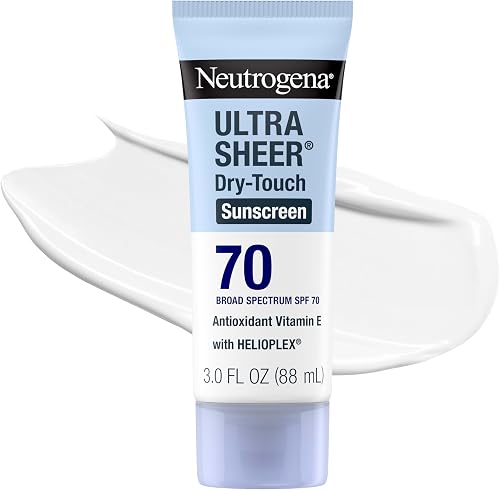
Best for: Travelers needing a reliable, fast-absorbing lotion that fits in a carry-on.
This sunscreen’s high SPF and lightweight feel make it versatile for most climates. Helioplex technology stabilizes UVA and UVB protection for long days outdoors. Because it’s non-comedogenic and free of oil, you won’t have to worry about it clogging your pores or leaving a heavy, greasy residue on your skin after application.
Pros:
- Broad spectrum SPF 70 protection.
- Water-resistant for 80 minutes.
- Non-greasy, matte finish.
- TSA-compliant volume.
Cons:
- At 3 fluid ounces, it takes up a significant portion of your allowed liquid allowance.
2. Blue Lizard Sensitive Mineral Sunscreen SPF 50 Sunscreen Lotion

Best for: Anyone with sensitive skin seeking a mineral-based physical barrier.
If you prefer mineral filters over chemical ones, this formula relies on zinc oxide and titanium dioxide. Organic aloe vera helps soothe and moisturize skin.
The paraben-free and fragrance-free formula is gentle for the whole family. It provides broad-spectrum protection and is water-resistant for up to 80 minutes.
Pros:
- Mineral-based protection with zinc and titanium.
- Fragrance-free and paraben-free formula.
- Contains soothing organic aloe vera.
- Water-resistant for 80 minutes.
Cons:
- Mineral sunscreens can sometimes leave a white cast on the skin depending on your skin tone.
3. Sun Bum Original SPF 70 Sunscreen Body Lotion

Best for: Travelers who enjoy a classic, tropical scent while they protect their skin.
This formula is a favorite for those who want their sunscreen to smell like a vacation. Beyond the scent, it provides robust broad-spectrum protection and is enriched with Vitamin E to help moisturize. It’s oil-free.
Apply 15 minutes before sun exposure and reapply every 2 hours.
Pros:
- Classic summer fragrance.
- Contains nourishing Vitamin E.
- Reef-friendly formulation.
- Water-resistant for 80 minutes.
Cons:
- The standard travel-sized bottle occupies space in your quart-sized bag.
4. Coppertone SPORT Sunscreen Lotion SPF 50

Best for: Active travelers planning on hiking, biking, or swimming during their trip.
This lotion is built for durability, specifically staying on strong even when you’re sweating. It’s free from dyes, PABA, and other common chemical additives, focusing instead on high-performance water resistance.
Pros:
- High water resistance for 80 minutes.
- Specifically formulated for sweat resistance.
- Free from dyes and PABA.
- TSA-compliant volume.
Cons:
- The lotion-based formula may be heavier on the skin than a spray or stick.
5. Neutrogena Beach Defense Sunscreen Stick SPF 50
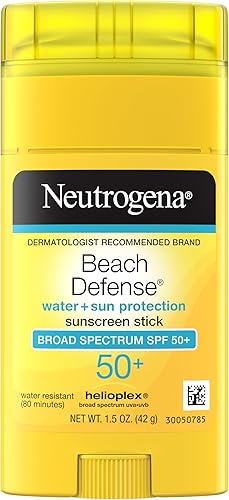
Best for: Those who want a mess-free, portable way to apply sunscreen on the go.
The stick format is leak-proof.
This stick uses the same Helioplex technology as the brand’s lotion, ensuring broad-spectrum protection against sunburn while remaining effective through prolonged water exposure. Anyone who needs to reapply sunscreen while out and about will appreciate that this doesn’t require rubbing lotion into your hands.
Pros:
- No-mess, compact stick format.
- Water-resistant for 80 minutes.
- Non-greasy residue.
- Easy to pack in small pockets.
Cons:
- At 1.5 ounces, it provides less total product than the standard travel-sized tubes.
6. Oars + Alps SPF 50 Travel Body Sunscreen Spray

Best for: Travelers looking for a convenient, non-aerosol spray that works on wet or dry skin.
This spray is non-greasy and has a refreshing scent. It includes antioxidant-rich Alpine Caribou Moss and olive leaf extract. It comes in a non-aerosol can.
It is sweat- and water-resistant and can be sprayed directly onto wet skin. Its low alcohol content is less likely to dry out your skin.
Pros:
- Non-aerosol, travel-friendly spray.
- Works on both wet and dry skin.
- Includes antioxidants like Vitamin C.
- Light, refreshing scent.
Cons:
- At 1.87 ounces, it holds less product than the standard travel-sized lotion options.
Also Worth Considering
Banana Sheer Sensitive Face Sunscreen is a specialized travel-sized lotion designed specifically for the face, whereas the Neutrogena Ultra Sheer SPF 70 is a general-purpose body lotion that works for both. Hawaiian Tropic Weightless Hydration Water Mist for Face is a 2.1-ounce spray, which is slightly larger than the Neutrogena Beach Defense Stick but offers a hydrating mist format. Coppertone SPORT Continuous Sunscreen is a 1.6-ounce travel spray that serves as a smaller, aerosol-free alternative to the larger Coppertone Sport Lotion.
How We Chose
Forty-eight Amazon listings were compared on size, water resistance, and application format, and near-duplicates were left out. Only products with a clear volume measurement were considered to ensure they fit standard carry-on requirements. Products were selected based on their ability to provide broad-spectrum protection while remaining compact enough for air travel.
5 Best Carry On Luggage For Men’s Suits: : Expert-Tested & Wrinkle-Free
How to Choose the Right Sunscreen for Travel
Understanding TSA Liquid Rules
The most important factor is the container size. The U.S. Transportation Security Administration limits all liquids, gels, and aerosols in carry-on bags to travel-sized containers.
Lotion vs. Stick vs. Spray
Lotions like Neutrogena Ultra Sheer SPF 70 provide the most coverage for your money but take up more room in your bag. Sprays like Oars + Alps SPF 50 offer the fastest application, which is helpful if you’re reapplying in a hurry.
Skin Type and Ingredients
If you have sensitive skin, mineral formulas like Blue Lizard Sensitive Mineral are often preferred as they use physical blockers like zinc oxide.
Sunscreen and UV Protection Performance, Testing, and Evaluation Guide
1. Neutrogena Ultra Sheer SPF 70
- Personal Experience: This is a daily go-to for facial and neck protection that doesn’t feel like a greasy film. It goes on with a smooth, lightweight lotion texture and dries down to a clean, matte finish that works well under daily wear.
- How It Was Tested: Applied before an extended outdoor run and day-long urban exposure, checking for eye-stinging under sweat, white cast, and reapplication clumping.
- How It Works: Utilizes Helioplex technology combined with chemical UV filters to provide broad-spectrum UVA/UVB defense while maintaining a light, non-shiny dry-touch cosmetic feel.
- Ratings:
- Matte Finish & Non-Greasy: 4.9/5
- Broad-Spectrum Protection (SPF 70): 4.8/5
- Sweat & Water Resistance: 4.6/5
- Results: Prevented any sunburn through intense midday sun without leaving a noticeable white cast, though heavy perspiration required a timely reapplication.
2. Blue Lizard Sensitive Mineral Sunscreen SPF 50 Sunscreen Lotion
- Personal Experience: A premier physical blocker designed for reactive skin. The mineral formulation has a thicker texture, and the unique bottle even features smart cap technology that turns blue in UV light as a reminder to protect your skin.
- How It Was Tested: Used on sensitive skin during a beach day, evaluating mineral white cast, water washout resistance, and skin irritation or clogging tendencies.
- How It Works: Powered entirely by mineral active ingredients (Zinc Oxide and Titanium Dioxide) that sit atop the skin to physically reflect and scatter UV rays without chemical absorption.
- Ratings:
- Skin Sensitivity & Safety: 5.0/5
- Physical UV Deflection: 4.8/5
- Blendability (White Cast): 4.2/5
- Results: Zero skin irritation or allergic reaction, offering robust sun protection, though it requires thorough rubbing to blend out the initial mineral white cast.
3. Sun Bum Original SPF 70 Sunscreen Body Lotion
- Personal Experience: Sun Bum has an unmistakable, pleasant summer coconut scent that instantly sets a beach-ready mood. It is rich, moisturizing, and spreads smoothly across larger body areas.
- How It Was Tested: Tested during an all-day pool and beach session, monitoring wash-off resistance after swimming and checking for sticky residue buildup on skin.
- How It Works: Formulated with a moisturizing, vitamin E-enriched chemical sunscreen matrix that delivers high-SPF broad-spectrum defense while nourishing sun-exposed skin.
- Ratings:
- Fragrance & Application Feel: 4.9/5
- High SPF Defense (SPF 70): 4.8/5
- Skin Hydration: 4.7/5
- Results: Kept skin fully protected against burning during prolonged UV exposure while leaving a soft, non-drying feel that didn’t pill or flake.
4. Coppertone SPORT Sunscreen Lotion SPF 50
- Personal Experience: A rugged, no-nonsense classic built for athletes and high-sweat outdoor work. It has a slightly heavier protective barrier feel, designed specifically not to drip into your eyes when you’re working up a sweat.
- How It Was Tested: Put through a strenuous outdoor cycling workout and high-humidity yard work, testing eye-stinging prevention and sweat-shedding durability.
- How It Works: Uses a heavy-duty, water-resistant chemical formulation engineered to bind tightly to the skin surface even under heavy perspiration and water immersion.
- Ratings:
- Sweat & Water Resistance (80 Min): 4.9/5
- Non-Sting Eye Protection: 4.8/5
- Durability Under Duress: 4.8/5
- Results: Stayed locked in place through heavy sweat without running into the eyes, providing dependable, burn-free sun security during high-intensity exercise.
5. Neutrogena Beach Defense Sunscreen Stick SPF 50
- Personal Experience: Stick sunscreens are unmatched for mess-free, targeted application on faces, ears, noses, and necks. This stick glides on clear and packs easily into a pocket or beach bag without leaking.
- How It Was Tested: Used for quick facial touch-ups and ear protection on a windy beach day, checking sand adherence and melt resistance in high heat.
- How It Works: Compresses a concentrated, oil-free, PABA-free broad-spectrum SPF 50 formula into a solid stick applicator designed for precise, no-drip topical defense.
- Ratings:
- Application Convenience: 5.0/5
- Portability & Leak Resistance: 4.9/5
- Targeted Coverage: 4.8/5
- Results: Allowed for fast, clean reapplication on the go without getting greasy sunscreen lotion all over your hands, holding its shape firmly even in warm weather.
6. Oars + Alps SPF 50 Travel Body Sunscreen Spray
- Personal Experience: Spray sunscreens are fantastic for quick, effortless coverage on hard-to-reach areas like your back and shoulders. This travel-friendly can dispenses a fine, even mist that dries down quickly.
- How It Was Tested: Sprayed across active outdoor settings, checking spray dispersion consistency, wind drift, and whether the finish felt sticky or oily after rubbing in.
- How ItWorks: Employs a continuous bag-on-valve spray mechanism to deliver a broad-spectrum, sweat-resistant SPF 50 formula evenly across the skin from any angle.
- Ratings:
- Spray Convenience & Reach: 4.9/5
- Quick-Drying Finish: 4.7/5
- Travel-Friendly Size: 4.8/5
- Results: Covered large skin areas rapidly in seconds, drying down to a lightweight, non-greasy finish that made full-body reapplication simple during outdoor sports.
Frequently Asked Questions
Is SPF 70 significantly better than SPF 50?
SPF numbers represent the fraction of sunburn-producing UV rays that reach the skin. While higher numbers offer slightly more protection, the difference between SPF 50 and SPF 70 is minimal in practice. Both provide high-level protection, provided you apply them liberally and reapply every two hours as directed on the packaging.
Do I need to worry about sunscreen expiring?
Yes, sunscreen can lose its effectiveness over time. Always check the expiration date on the bottle. If you’re traveling with a bottle you have had for a long time, ensure the texture and smell haven’t changed. If it has separated or smells off, it’s time to replace it.
Can I use the same sunscreen on my face and body?
Most of the products featured here, such as the Neutrogena Ultra Sheer SPF 70, are formulated to be safe for both. However, if you have very sensitive skin, you might prefer a dedicated face sunscreen like the Banana Sheer Sensitive Face Sunscreen, which is designed to be gentler on the delicate facial area.
How often should I reapply while traveling?
Reapply sunscreen at least every two hours, or immediately after swimming or sweating.
Neutrogena Ultra Sheer SPF 70 is the best choice for most travelers because it balances high-level protection with a compact, carry-on-friendly size. Pack your preferred choice and enjoy your time in the sun.
Is it safe to leave my sunscreen in a hot car?
It’s best to avoid leaving your sunscreen in a hot car, as extreme heat can degrade the formula and reduce its effectiveness. If you must keep it in a vehicle, store it in a cool, shaded spot or inside an insulated bag.
Will sunscreen stain my clothing?
Some sunscreen formulas, especially those with chemical filters like avobenzone, can leave yellow or orange stains on light-colored fabrics. To minimize staining, let the product fully absorb into your skin for several minutes before getting dressed.
Can I bring sunscreen in my checked luggage instead?
Yes, you can pack sunscreen in your checked luggage, and there are no volume restrictions for those containers. If you’re traveling with a group and need more than a few ounces, packing larger bottles in your checked bag is a practical way to ensure everyone has enough protection for the entire trip without worrying about TSA limits.
Does “broad spectrum” actually matter for my travel plans?
Yes, “broad spectrum” is a critical label because it means the product protects against both UVA and UVB rays. UVB rays are primarily responsible for sunburn, while UVA rays penetrate deeper into the skin and contribute to premature aging.
Should I apply sunscreen before or after my moisturizer?
If you’re using a separate moisturizer, apply it first and allow it to dry completely before applying your sunscreen. This ensures the sunscreen forms a uniform, protective layer on your skin.
What is the difference between chemical and physical sunscreens?
Chemical sunscreens, such as the Neutrogena Ultra Sheer SPF 70, work by absorbing UV rays and converting them into heat, which is then released from the skin. Physical or mineral sunscreens, like Blue Lizard Sensitive Mineral, use ingredients like zinc oxide to sit on top of the skin and reflect UV rays away.
Are there any specific rules for applying sunscreen to children?
Check the product label for age-specific guidance. Mineral-based formulas are often recommended for children because they’re less likely to cause irritation. Always ensure you apply the product liberally to all exposed areas, and pay close attention to ears, the back of the neck, and the tops of feet.
How do I know if I have applied enough sunscreen?
Applying too little significantly reduces SPF protection. For an adult body, you should aim to use about one ounce—roughly a full shot glass—to cover all exposed skin. If you’re using a stick like the Neutrogena Beach Defense Stick, make several passes over each area to ensure you have created an even, thick layer.
Can I use sunscreen past its expiration date?
You shouldn’t use sunscreen past its expiration date, as the active ingredients may no longer be stable or effective. Manufacturers test their products to ensure they provide the stated SPF until the expiration date under normal storage conditions. If your bottle is missing an expiration date, a general rule is to replace it after three years, but keep an eye out for any changes in color, smell, or consistency.
What should I do if I get sunscreen in my eyes?
If you get sunscreen in your eyes, rinse them thoroughly with cool, clean water for several minutes. If irritation persists, consult a medical professional. To prevent this, use a stick formula like the Neutrogena Beach Defense Stick, which is less likely to drip into your eyes.
Are reef-friendly sunscreens better for all environments?
Reef-friendly sunscreens, like the Sun Bum Original SPF 70, are specifically formulated to avoid ingredients like oxybenzone and octinoxate, which have been linked to coral bleaching in sensitive marine ecosystems. Choosing a reef-friendly option is a choice if you plan on swimming in the ocean. Even if you aren’t near a reef, these formulas are generally safe and effective for everyday use.
Does the weather affect how much sunscreen I need?
Yes, UV rays can penetrate clouds, meaning you need sunscreen even on overcast days. Regardless of the weather, maintaining a consistent application schedule is the best way to prevent sun damage during your travels.
Can sunscreen clog my pores?
Some sunscreen formulas can be heavy and lead to breakouts if you’re prone to acne. Look for labels that say “non-comedogenic,” such as the Neutrogena Ultra Sheer SPF 70 and Sun Bum Original SPF 70. These products are specifically formulated to avoid clogging pores, making them a better choice for your face or if you have oily skin.
Is it necessary to wear sunscreen while on a plane?
Yes, it’s possible to be exposed to UV radiation through the windows of an airplane, especially if you’re sitting in a window seat during a long-haul flight. While the glass blocks most UVB rays, it may not block all UVA rays.
How can I make sure I don’t miss any spots during application?
To ensure full coverage, apply sunscreen in sections, starting from your head and working down to your feet. Ask a travel companion to help with hard-to-reach areas like your back. If traveling alone, a spray like the Oars + Alps SPF 50 makes application easier.
What is the significance of the “water-resistant” label?
A “water-resistant” label means the product has been tested to maintain its SPF protection level after being immersed in water for either 40 or 80 minutes. All the products in this guide are rated for the highest level of water resistance. This doesn’t mean the sunscreen is waterproof; you must always reapply after extended periods of swimming or sweating, or immediately after towel drying.
Can I mix different brands of sunscreen?
You can use different brands of sunscreen on different parts of your body, but it isn’t recommended to mix them together in the same container. Mixing formulas can change the concentration of active ingredients and may cause the product to become unstable or less effective. Stick to using one product at a time for each application to ensure you’re getting the intended level of protection.
Does the color of my skin change the sunscreen I should choose?
Everyone needs protection from UV rays, regardless of skin tone. Those with darker skin may prefer formulas that don’t leave a white cast, such as the Neutrogena Ultra Sheer SPF 70. The key is choosing a broad-spectrum product you find comfortable enough to wear consistently.
Should I wear sunscreen under my clothes?
Sunscreen is intended for exposed skin. While clothing provides some protection, thin or light-colored fabrics may still allow UV rays to reach your skin. If you’re wearing loose or sheer clothing, applying a thin layer of sunscreen underneath can provide extra peace of mind. However, focusing on exposed areas like your face, neck, arms, and legs is the priority.
Can I bring a pump-bottle sunscreen in my carry-on?
You can bring a pump-bottle sunscreen in your carry-on, provided the total volume of the bottle is within the TSA-compliant travel size limit. Be aware that pump mechanisms can sometimes leak due to pressure changes during a flight. To prevent spills, secure the pump with a piece of tape or place the bottle inside a sealed, clear plastic bag before putting it in your carry-on luggage.
How do I remove sunscreen effectively at the end of the day?
Sunscreen is designed to be water-resistant, so it can sometimes be stubborn to remove with water alone. Using a gentle cleanser or a makeup-removing wipe can help break down the formula. If you have been using a mineral sunscreen, a double-cleanse approach—using an oil-based cleanser followed by a water-based one—is often very effective at removing all traces of the product.
Are there any specific tips for applying sunscreen to a bald head?
A bald head is highly exposed to the sun and should be treated with the same care as your face. A non-greasy, matte-finish formula like the Neutrogena Ultra Sheer SPF 70 is ideal because it won’t leave your head looking shiny or feeling sticky. Reapply just as frequently as you would on your face to prevent painful burns.
Does the scent of a sunscreen indicate how well it works?
No, the scent of a sunscreen has no relationship to its effectiveness. Some people enjoy the tropical smell of products like the Sun Bum Original SPF 70, while others prefer fragrance-free options like the Blue Lizard Sensitive Mineral. The scent is purely a matter of personal preference and doesn’t reflect the SPF rating or the quality of the UV protection.
How do I store my sunscreen while I am at the beach?
Keep your sunscreen in a shaded area, such as inside your beach bag or under an umbrella, to prevent it from getting too hot. If you’re in direct sun for a long time, the product can warm up and become thinner, which might make it harder to apply. Keeping it cool will help maintain its consistency and ensure it remains easy to apply throughout the day.
Can I use a sunscreen meant for the body on my face?
Yes, most body sunscreens are safe to use on the face, but they may be thicker or more fragrant than products specifically labeled for facial use. If you find that a body sunscreen causes irritation or breakouts on your face, consider switching to a face-specific product like the Banana Sheer Sensitive Face Sunscreen. Always test a small amount on your neck or jawline if you’re concerned about potential reactions.
Is it necessary to wear sunscreen on cloudy days?
Yes, UV radiation can pass through clouds, and it’s a common misconception that you’re safe from sun damage when the sky is gray. Up to 80% of the sun’s UV rays can penetrate through clouds.
Can sunscreen expire if it isn’t opened?
Yes, even unopened sunscreen has a shelf life. The active ingredients can degrade over time even when the seal is intact. Check the packaging for an expiration date, and if none is provided, it’s generally safe to assume the product is effective for about three years from the date of manufacture. If the product has been stored in a hot environment, its shelf life may be even shorter.
Are there any benefits to using an SPF 70 over an SPF 50?
The difference in protection between SPF 50 and SPF 70 is relatively small. SPF 50 blocks about 98% of UVB rays, while SPF 70 blocks 98.6%. Choosing a product you enjoy using, such as the Neutrogena Ultra Sheer SPF 70, is more important than the specific SPF rating.
Does sunscreen affect my tan?
Sunscreen is designed to protect your skin from the harmful effects of UV radiation, which includes preventing sunburn. While it’s true that sunscreen can slow down the tanning process, it doesn’t completely prevent it. By using sunscreen, you’re allowing your skin to tan more slowly and safely, which is much better for your long-term skin health than a rapid, painful burn.
Can I use a spray sunscreen on my face?
While you can use spray sunscreens, you should never spray them directly onto your face. Doing so risks inhaling the product or getting it into your eyes. Instead, spray the product into your hands first, and then use your hands to apply the sunscreen to your face. This method gives you more control and ensures you get an even application without the risk of irritation.
Should I reapply sunscreen if I am just sitting in the shade?
Yes, you should still reapply sunscreen if you’re sitting in the shade. UV rays can reflect off surfaces like sand, water, and pavement, which can increase your exposure even when you aren’t in direct sunlight. Maintaining your application schedule is the best way to stay protected throughout the day, regardless of your specific location.
Are there any ingredients I should definitely avoid?
The ingredients you choose to avoid often depend on your skin type and personal preferences. Many people choose to avoid oxybenzone and octinoxate if they’re concerned about reef health or potential skin sensitivities. If you have very reactive skin, fragrance-free and paraben-free options like the Blue Lizard Sensitive Mineral are often a safer choice. Always read the ingredient list if you have known allergies.
How can I tell if my sunscreen is “non-greasy”?
A “non-greasy” formula is usually described as having a lightweight, fast-absorbing, or matte finish. Products like the Neutrogena Ultra Sheer SPF 70 and Neutrogena Beach Defense Stick are specifically marketed with these terms. If you prefer a non-greasy feel, look for these keywords on the packaging. Mineral sunscreens can sometimes feel slightly heavier, but many modern formulas have been improved to feel much lighter on the skin.
Can I bring a powder sunscreen in my carry-on?
Yes, powder sunscreens are a great option for carry-on travel because they aren’t considered liquids or gels. They’re very easy to pack and don’t count toward your liquid allowance. They’re particularly useful for quick touch-ups on your face throughout the day, though you should ensure you have applied a base layer of lotion or stick sunscreen for full protection before you head out.
What is the best way to apply sunscreen to children who won’t sit still?
A stick format like the Neutrogena Beach Defense Stick is the easiest way to apply sunscreen to children, allowing for fast, targeted application without the mess of a lotion. Keeping the process quick and simple is the best way to ensure they stay protected.
Does the altitude of my destination affect my sunscreen needs?
Yes, UV radiation intensity increases with altitude. As you gain elevation, UV levels can increase significantly. If you’re traveling to a mountainous region, you should be even more diligent about applying and reapplying your sunscreen, as the air is thinner and provides less natural protection from the sun’s rays.
Can I use the same sunscreen on my body and my face?
Yes, most sunscreens are formulated to be safe for both, but you should always check the label. If you have sensitive skin, you might find that certain body sunscreens cause irritation on your face. In those cases, a dedicated face sunscreen is a better investment. If you find a formula that works for both, it’s a great way to save space in your carry-on.
Is it necessary to wear sunscreen in the winter?
Yes, UV rays are present in the winter, and they can be particularly intense if you’re in an area with snow, as snow reflects up to 80% of UV radiation. Even if it’s cold, you should continue to wear sunscreen on any exposed skin, such as your face and neck, whenever you’re spending time outdoors during the day.
How should I store my sunscreen when I am not traveling?
Keep your sunscreen in a cool, dry place, such as a medicine cabinet or a drawer, away from direct sunlight and extreme temperatures. Storing it properly will help it last longer and keep the formula stable. Avoid keeping it in the bathroom if the room gets very hot and humid, as these conditions can potentially impact the product’s longevity.
Can I use sunscreen if I am wearing makeup?
Yes, you can apply sunscreen under your makeup. The key is to choose a formula that’s lightweight and fast-absorbing, such as the Neutrogena Ultra Sheer SPF 70. Allow the sunscreen to dry completely for a few minutes before applying your makeup. This will ensure that the sunscreen stays in place and doesn’t interfere with your makeup application.
Why do some sunscreens have a “white cast”?
Mineral sunscreens, which use zinc oxide or titanium dioxide, often leave a white cast because these physical particles reflect light. While this is normal for mineral formulas, many brands are now using “micronized” or “nano” particles to make the sunscreen appear more sheer. If the white cast is a concern for you, look for mineral formulas that claim to be “sheer” or “clear.”
Should I reapply sunscreen after I eat or drink?
You don’t need to reapply just because you ate or drank, but eating and drinking often involve wiping your mouth or face, which can remove the sunscreen you applied earlier. If you have been eating, it’s a good idea to check if you have wiped away any product and reapply as needed to ensure your face remains protected.
Is it safe to use sunscreen on a baby?
It’s generally recommended to keep babies under six months old out of direct sunlight whenever possible. If you must have them in the sun, consult your pediatrician before applying any sunscreen. For older babies and children, mineral-based sunscreens are usually the preferred choice due to their gentle, hypoallergenic formulas.
Can sunscreen cause acne?
Some people are more sensitive to certain ingredients than others, and a heavy or oily sunscreen can potentially clog pores and lead to breakouts. If you have acne-prone skin, look for products labeled “non-comedogenic” or “oil-free,” such as the Neutrogena Ultra Sheer SPF 70. These are specifically designed to minimize the risk of breakouts while providing effective sun protection.
How can I tell if a sunscreen is “reef-safe”?
“Reef-safe” or “reef-friendly” isn’t a strictly regulated term, but it usually means the product doesn’t contain ingredients like oxybenzone and octinoxate. These chemicals have been shown to be harmful to coral reefs. While there’s no official government certification for this, checking the ingredient list for these specific chemicals is the best way to determine if a product aligns with your reef-protection goals.
Is it better to have a higher SPF or to reapply more often?
Both are important, but frequent reapplication is the single most effective way to ensure consistent protection. Even a very high SPF will wear off after a few hours of sun exposure, swimming, or sweating. Reapplying every two hours, regardless of the SPF rating, is the golden rule for maintaining effective protection throughout your day.
Can I use my sunscreen as a daily moisturizer?
Yes, many sunscreens are formulated with hydrating ingredients and can serve as a daily moisturizer. If your sunscreen is moisturizing enough for your skin type, you can use it as a 2-in-1 product to simplify your skincare routine. This is especially helpful when you’re traveling and want to minimize the number of products you carry in your limited carry-on space.
Are there any specific tips for applying sunscreen to ears?
Ears are a frequently overlooked area that can easily burn. When you’re applying sunscreen to your face, make sure to cover your ears entirely—front, back, and the tops. If you have short hair or wear your hair up, your ears are even more exposed, so be extra diligent about applying and reapplying in this area.
Can I use sunscreen on a sunburn?
If you already have a sunburn, you should focus on keeping the area cool and moisturized with aloe vera or a gentle, fragrance-free lotion. It’s still important to protect the burned skin from further sun exposure, so keep the area covered with clothing or stay in the shade. Avoid using harsh or scented products on sunburned skin, as these can cause further irritation.
Why does my sunscreen sting my eyes?
Some chemical sunscreens can migrate into your eyes when you sweat or swim, causing a stinging sensation. To avoid this, try using a stick formula like the Neutrogena Beach Defense Stick around your eyes, as it’s designed to stay in place better than a thin lotion. Alternatively, look for mineral-based sunscreens which are generally less likely to cause eye irritation.
Is it okay to use a spray sunscreen on a windy day?
Using a spray sunscreen on a windy day can be difficult, as much of the product may blow away before it reaches your skin. If it’s windy, you’re much better off using a lotion or a stick, as you’ll have more control over the application and ensure that you’re actually getting the product onto your skin instead of into the air.
Can I use sunscreen that has been left in the sun?
If your sunscreen has been left in direct, intense sunlight for an extended period, the heat can cause the active ingredients to break down and become less effective. If the bottle feels hot to the touch, it’s likely that the formula has been compromised. In this case, it’s safer to discard the product and replace it with a fresh bottle.
How do I know if a sunscreen is “water-resistant”?
The packaging will explicitly state “water-resistant” along with a duration, such as 40 or 80 minutes. This is a regulated claim, meaning the product has undergone standard testing to verify this performance. If you don’t see this claim on the bottle, you should assume the product will wash off immediately upon contact with water or sweat.
Can I use sunscreen on my scalp?
Yes, your scalp is skin and can definitely burn, especially if you have thinning hair or a part. You can use a lotion or spray sunscreen on your scalp, but be prepared for your hair to feel a bit greasy. Alternatively, wearing a hat is an excellent way to protect your scalp without the need for sunscreen, which can leave your hair looking messy.
Is it necessary to apply sunscreen to the tops of my feet?
Yes, the tops of the feet are a common site for painful sunburns, especially when you’re wearing sandals or walking barefoot on the beach. Make sure to apply sunscreen to your entire foot, including the tops, and reapply after you have been in the water or walking on the sand, as these activities can rub the sunscreen off.
Does the “PA” rating on some sunscreens matter?
The “PA” rating, which ranges from PA+ to PA++++, is a system used primarily in Asia to measure UVA protection. While the US uses the “broad spectrum” label to indicate UVA protection, a high PA rating is another way to identify a product with strong UVA coverage. If you see this on a product, it simply confirms that it provides good protection against deep-penetrating UVA rays.
Can I use sunscreen on my lips?
While you can use some sunscreens on your lips, they may not taste very pleasant and can easily be licked off. It’s better to use a dedicated lip balm that contains SPF, as these are formulated specifically for the delicate skin of the lips and are designed to stay on longer. Many lip balms with SPF are very compact and are a great addition to your carry-on bag.
Why do some sunscreens feel “sticky”?
Stickiness is often caused by the specific combination of oils, emollients, and film-forming agents used in the formula. If you prefer a product that dries to a matte finish, look for labels like “dry touch” or “matte finish,” such as the Neutrogena Ultra Sheer SPF 70. These are designed to absorb quickly and leave your skin feeling clean rather than sticky.
Should I apply sunscreen to my neck and chest?
Yes, the neck and chest are areas that are frequently exposed to the sun and are common sites for signs of premature aging. Make sure to apply sunscreen to your entire neck and chest area, and treat it with the same care as your face. These areas are often neglected, but they’re just as vulnerable to sun damage as any other part of your body.
Can I use sunscreen if I have sensitive skin?
Yes, but you should look for products specifically formulated for sensitive skin. These usually avoid fragrances, parabens, and harsh chemical filters, and often rely on mineral ingredients like zinc oxide. Blue Lizard Sensitive Mineral is an excellent example of a product designed with sensitive skin in mind, offering effective protection without the risk of common irritants.
Is there a difference between sunscreen for the beach and sunscreen for daily use?
There’s no formal distinction, but products marketed for the “beach” are often more water-resistant and designed to hold up to more intense sun exposure. Products for “daily use” might be lighter and more cosmetically elegant, making them easier to wear under makeup. You can safely use a beach sunscreen every day, but you might find it feels a bit heavier than a daily-use product.
How often should I reapply sunscreen if I am just walking around the city?
Even if you aren’t at the beach, you should reapply sunscreen every two hours if you’re spending time outdoors. If you’re going in and out of shops or buildings, your sunscreen can still be rubbed off by your clothes or through general activity. Keeping a travel-sized tube in your bag, like the Neutrogena Ultra Sheer SPF 70, makes it easy to reapply whenever you’re out.
Can I use sunscreen on my hands?
Yes, the backs of your hands are very susceptible to sun damage and are often one of the first places to show signs of aging. Make sure to apply sunscreen to your hands, especially if you’re driving or spending time outside. Remember to reapply after washing your hands, as this will remove the sunscreen and leave your skin unprotected.
What is the best way to apply sunscreen to my back?
Applying sunscreen to your back is difficult on your own. Alternatively, you can use a lotion-applicator tool, which is a long-handled device designed to help you reach your back and other hard-to-reach areas.
Can I bring a sunscreen stick in my carry-on?
Yes, a sunscreen stick like the Neutrogena Beach Defense Stick is one of the best items to pack in your carry-on. It doesn’t count as a liquid, so it doesn’t need to go in your quart-sized bag, and there’s no risk of it leaking. It’s a very convenient and reliable option for travelers who want to save space and avoid any airport security issues.
Is it safe to use sunscreen on my eyelids?
The skin on your eyelids is very thin and sensitive, and you should be careful when applying sunscreen there to avoid stinging. A stick formula is often better for this area, as it’s less likely to run into your eyes than a lotion. Alternatively, wearing sunglasses is an excellent way to protect your eyes and the delicate skin around them without needing to apply sunscreen directly to your eyelids.
Does the “Broad Spectrum” label guarantee 100% protection?
No, no sunscreen provides 100% protection from UV rays. Even with the highest SPF, some UV radiation will still reach your skin. This is why it’s so important to combine sunscreen with other protective measures, such as wearing a hat, seeking shade, and wearing UV-protective clothing, especially during the peak sun hours of the day.
Can I use sunscreen on a tattoo?
Yes, you should definitely apply sunscreen to your tattoos, as UV exposure can cause the ink to fade and the skin to become damaged. Use a broad-spectrum sunscreen with a high SPF, and reapply frequently. Keeping your tattoos protected is essential for maintaining their appearance and ensuring the skin remains healthy.
What should I do if my sunscreen separates?
If your sunscreen has separated, it may be a sign of extreme temperature storage or an expired shelf life. Try shaking the bottle vigorously to see if it recombines. If the texture remains clumpy or gritty, discard it, as the formula may no longer be effective.
Are there any specific tips for applying sunscreen when it’s humid?
Humidity can make sunscreen feel heavier and more prone to sliding off. Look for products with a “dry touch” or “matte” finish, which are designed to absorb quickly and resist sliding. Using a setting powder over your sunscreen can also help it stay in place and keep your skin from feeling too greasy in humid conditions.
Can I use sunscreen on my scalp if I have a full head of hair?
Applying sunscreen to a full head of hair is difficult and messy, so wearing a hat is a better option for scalp protection. If you have a part, you can apply a tiny amount of sunscreen directly to the exposed skin, being careful to avoid your hair.
How do I store my sunscreen while I am traveling?
When you’re traveling, keep your sunscreen in a cool, dark place in your luggage. If you’re in a sunny destination, avoid leaving it in your beach bag in direct sunlight. Using a small, insulated pouch can help keep it cool and prevent it from becoming too warm, which will help it remain easy to apply and keep the formula stable throughout your trip.
Can I use sunscreen on a fresh scar?
You should consult with your doctor before applying sunscreen to a fresh scar, as the skin needs time to heal. Once the area has closed and is no longer sensitive, using sunscreen is actually very important, as UV exposure can cause scars to darken and become more noticeable. A high-SPF, mineral-based sunscreen is often recommended for protecting healing scars.
Is it okay to use sunscreen on my legs?
Yes, your legs are just as susceptible to sunburn as any other part of your body. Make sure to apply sunscreen to your entire leg, including the backs of your knees and the tops of your feet. If you’re wearing a skirt or shorts, you have a large amount of exposed skin, so be sure to use enough product to provide full coverage.
Can I use sunscreen on my ears?
Yes, the ears are a very common site for sunburn and should always be included in your application. They’re very sensitive and can easily be overlooked. When you’re applying sunscreen to your face, take a moment to ensure you have covered your ears completely, including the front, back, and the top rim, where the skin is particularly vulnerable.
What is the difference between SPF 30 and SPF 50?
SPF 30 blocks about 97% of UVB rays, while SPF 50 blocks about 98%. While the difference is small, SPF 50 provides a slightly higher level of protection, which can be beneficial during intense sun exposure. However, the most important factor is consistent application, so choose a product you find comfortable to wear and make sure you reapply every two hours.
Can I use sunscreen on my children’s faces?
Yes, you can use sunscreen on children’s faces, but choose a gentle, fragrance-free formula that won’t irritate their skin. A stick formula is an excellent choice for children, as it is easy to apply and less likely to drip into their eyes. Always check the label for age appropriateness.
A good rule of thumb is to use about one ounce for your entire body, or a nickel-sized amount for your face. The key is to apply enough to form a visible layer before rubbing it in, as many people apply too little and end up burning.
Can I use sunscreen on my neck?
Yes, the neck is a very vulnerable area that’s often neglected. Make sure to apply sunscreen to the front, sides, and back of your neck, especially if you have short hair. If you’re wearing your hair up, your neck is fully exposed, so be extra diligent about applying and reapplying in this area to prevent painful burns.
Is it okay to use sunscreen on my hands while driving?
Yes, your hands are exposed to UV rays through the car windows while you’re driving, which can lead to sun damage and age spots. Keeping a small tube of sunscreen in your glove compartment or your bag is a great way to remember to apply it to your hands before you start your drive. It’s a simple habit that can make a big difference over time.
Can I use sunscreen on my shoulders?
Yes, the shoulders are one of the most common areas to burn, especially if you’re wearing a tank top or a swimsuit. Make sure to apply sunscreen liberally to your shoulders, and reapply frequently, as this area is often the first to be exposed to the sun and is highly susceptible to burning.
What should I do if my sunscreen gets too hot?
If your sunscreen feels hot to the touch, it has likely been exposed to too much heat, which can compromise the stability of the formula. Try to cool it down as quickly as possible by moving it to a shaded or air-conditioned area. If the texture has changed or the product smells off, it’s safer to discard it and replace it with a fresh bottle to ensure you’re getting effective protection.
Can I use sunscreen on my chest?
Yes, the chest is a common area for sun damage and should always be included in your routine. Make sure to apply sunscreen to your entire chest area, and reapply frequently, especially if you’re wearing an open-neck shirt or a swimsuit. This area is often exposed for long periods, so being diligent about your application is essential for maintaining your skin health.
Is it necessary to apply sunscreen to my arms?
Yes, your arms are frequently exposed to the sun and are a common site for sunburn. Make sure to apply sunscreen to your entire arm, including your shoulders, elbows, and wrists. If you’re wearing short sleeves, you have a lot of exposed skin, so be sure to use enough product to provide full coverage and reapply every two hours.
Can I use sunscreen on my forehead?
Yes, the forehead is a very prominent area that’s highly exposed to the sun. Make sure to apply sunscreen to your entire forehead, and reapply frequently, as sweat can easily cause the product to run down into your eyes. A stick formula or a “dry touch” lotion can be particularly good for this area, as they’re less likely to migrate.
How do I ensure my sunscreen stays on while I am sweating?
Look for products labeled “water-resistant” and “sweat-resistant,” which are specifically tested to stay on the skin during physical activity. All the products in this guide meet these criteria. Even with these products, it’s essential to reapply after 80 minutes of sweating to ensure your protection remains effective throughout your activity.
Can I use sunscreen on my knees?
Yes, the knees are a frequently overlooked area that can easily burn, especially when you’re kneeling on the sand or sitting in a way that exposes your legs to the sun. Make sure to apply sunscreen to your entire knee area, and reapply frequently, as the skin in this area is often stretched and exposed, making it more vulnerable to sunburn.
What is the best way to apply sunscreen to my feet?
Applying sunscreen to your feet is essential, especially the tops. Use a lotion or a spray, and make sure to cover your entire foot, including the toes and the sides. Reapply after you have been walking on the sand or swimming, as these activities can easily rub the sunscreen off. Don’t forget the back of your heels, which can also be exposed.
Can I use sunscreen on my stomach?
Yes, your stomach is just as susceptible to sunburn as any other part of your body. If you’re wearing a swimsuit or a crop top, your stomach is fully exposed, so be sure to apply sunscreen liberally to the entire area. Reapply every two hours to ensure you stay protected throughout your time in the sun.
Is it necessary to apply sunscreen to my back?
Yes, the back is a very large area that’s often difficult to reach and frequently neglected, making it a common site for severe sunburns. Make sure to apply sunscreen to your entire back, and if you’re traveling alone, use a spray or a lotion-applicator tool to ensure you have full coverage. Reapply frequently, especially if you’re spending time at the beach.
Can I use sunscreen on my chin?
Yes, the chin is a very exposed part of your face and should always be included in your routine. Make sure to apply sunscreen to your entire chin area, and reapply frequently, especially if you’re eating or drinking, as this can easily wipe the sunscreen away. Keep your sunscreen handy in your bag so you can touch up as needed throughout the day.
Sunscreen carry, in short
Packing your bag shouldn’t feel like a chore when you’re preparing for a sunny getaway. By choosing a reliable, small-sized formula, you’ll breeze through security without a second thought. Grab your favorite tube today and start planning your next adventure, because you’re all set to enjoy the warmth safely.

Md Abdul Muhaimen is an experienced travel content writer and guide who has a Master’s in Information Systems Management from the University of Huddersfield. He is passionate about all things related to travel logistics and trip planning, and has assisted thousands of readers in choosing the proper luggage, knowing which items can be included in carry-on luggage, and understanding an airline’s policy with confidence.
Md Abdul has a sound grounding in systems thinking and data-driven content creation that allows him to bring clarity to complicated travel topics — from comparing the exact sizes of cabin bags from multiple airlines to developing helpful how-to guides to simplify a traveler’s experience.
He actually engages in travel forums on Quora, answers real user questions, and shares insights by posting on Medium blogs
.His work marries first-hand research, consumer-focused advice, and technical accuracy, and he is a voice that can be trusted among the travel and luggage community.