
 Posted by
 TSA PreCheck gives approved travelers faster airport security with fewer screening steps at many U.S. airports. Yes, TSA PreCheck remains well worth the cost in 2026 at roughly $15 to $17 per year ($76.95–$85 for a five-year membership), especially since 99% of PreCheck passengers wait under 10 minutes. [1, 2, 3, 4]
TSA PreCheck can turn a stressful airport line into a calmer start to your trip. This guide explains how TSA PreCheck works, who qualifies, how to apply, what it costs, and which mistakes can delay approval.
What Is TSA PreCheck?
TSA PreCheck is a trusted traveler program run by the Transportation Security Administration. It allows eligible, low-risk travelers to use special security lanes at participating U.S. airports.
Most TSA PreCheck travelers do not need to remove:
• Shoes
• Belts
• Light jackets
• Laptops from carry-on bags
• 3-1-1 liquid bags from carry-on bags
You still pass through security screening. TSA PreCheck is not a fast pass that skips airport security. Instead, it uses a background check and risk assessment before travel.
Your boarding pass must show the TSA PreCheck mark. You also need to use the correct Known Traveler Number when booking your flight.
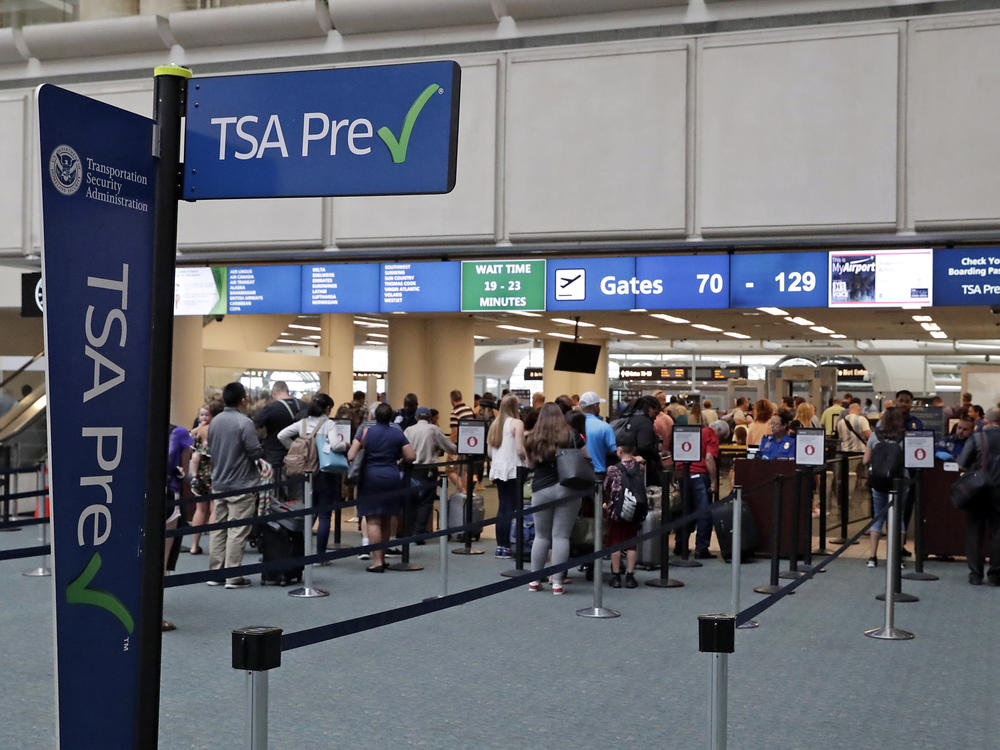
The program works at more than 200 airports and with many participating airlines. However, the lane may not open at every airport or for every flight, so check the airport signs when you arrive.
How TSA PreCheck Works at the Airport
After you apply and receive approval, TSA gives you a Known Traveler Number, often called a KTN. Add this number to your airline profile and each flight reservation.
The name on your reservation should match the name on your TSA PreCheck application. Even a small difference, such as a missing middle name or a different surname, may stop the PreCheck mark from appearing.
At the airport, follow these steps:
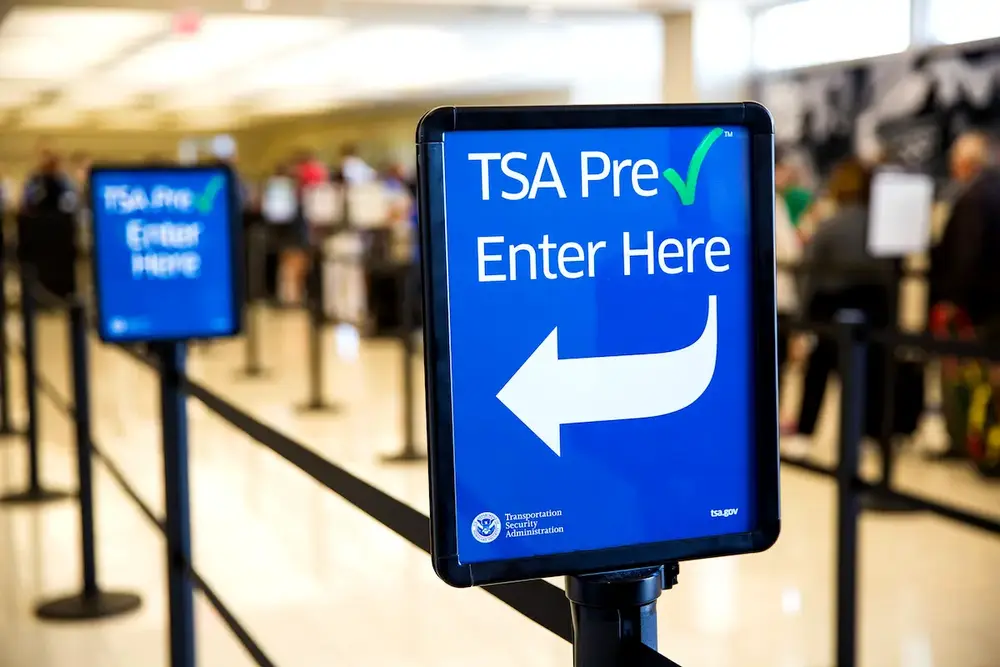
- Look for the TSA PreCheck lane on your boarding pass and airport signs.
- Show your identification and boarding pass to the security officer.
- Keep your shoes, belt, and light jacket on unless an officer tells you otherwise.
- Leave your laptop and approved liquids inside your bag.
- Follow all instructions from TSA staff.
The process is simpler, but normal security rules still apply. Officers may inspect your bag or send you through extra screening at any time.
TSA uses unpredictable security measures. That means TSA PreCheck does not guarantee a specific screening method on every visit.
Who Is Eligible for TSA PreCheck?
TSA PreCheck is generally available to:
• U.S. citizens
• U.S. nationals
• Lawful permanent residents
• Certain citizens of partner countries through related trusted traveler programs
Applicants must provide personal information, fingerprints, and identification. TSA also checks criminal history, immigration records, and other security information.
A person may be denied for certain offenses or incomplete information. The exact reason for a denial may not always be obvious, and TSA does not promise approval to every applicant.
Children can sometimes use the TSA PreCheck lane with an enrolled parent or guardian. Children age 12 and under may usually accompany an eligible adult. Travelers ages 13 through 17 generally need the TSA PreCheck indicator on their own boarding pass when traveling with an enrolled adult.
Rules can change, so families should review the current TSA guidance before traveling.
How to Apply for TSA PreCheck
The application process is simple, but accuracy matters. A mistake in your legal name, birth date, or citizenship information can cause delays.
Step 1: Complete the online application
Start through the official TSA enrollment page. The form asks for details such as:
• Legal name
• Date and place of birth
• Current address
• Citizenship status
• Other names used
• Criminal history information
Answer every question honestly. Do not guess when the form asks about legal records or name changes.
Step 2: Choose an enrollment center
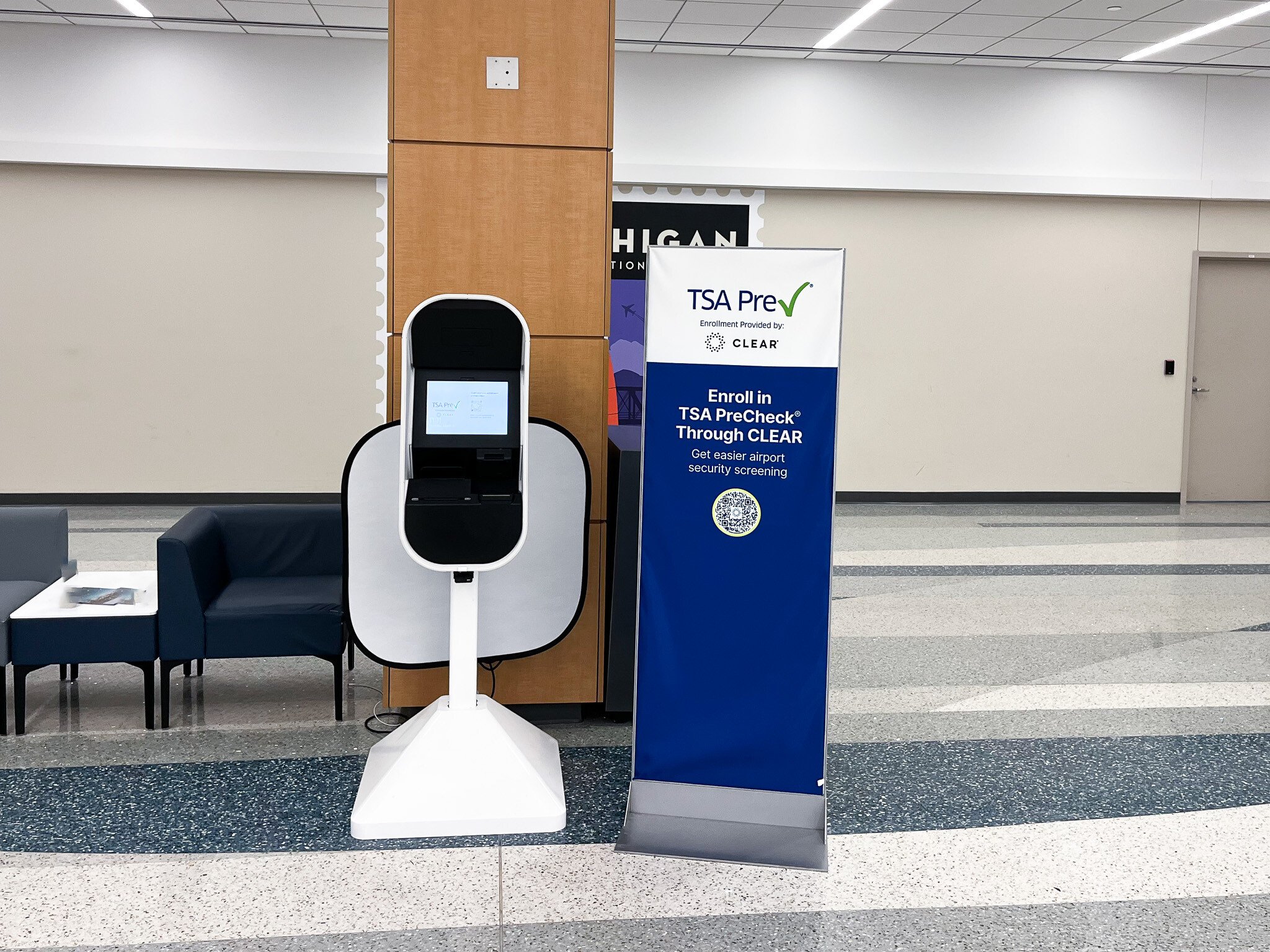
After the online form, schedule an appointment at an official enrollment center. Some centers accept walk-ins, but an appointment is usually more convenient.
Enrollment centers may be located in airports, office buildings, or other public sites.
Step 3: Attend the appointment
The appointment often takes about 10 minutes, although the total wait can vary. Staff may:
• Review your documents
• Take fingerprints
• Capture a photograph
• Confirm your identity
• Collect the application fee
Bring the documents listed in your appointment instructions. Common options include a passport or a driver’s license with proof of citizenship.
Step 4: Wait for the decision
Many applicants receive a decision within a few days, but some cases take longer. TSA may need more time if an application requires additional review.
Approved travelers receive a Known Traveler Number. The membership usually lasts five years, although the exact expiration date appears in your program record.
10 Best TSA Approved Locks for Secure Travel (Never Get Your Bag Cut Open Again)
How Much Does TSA PreCheck Cost?
The TSA PreCheck application fee depends on the enrollment provider and the current program rules. In recent years, the standard five-year application fee has been about $78, while online renewal has often cost less.
Fees can change, so confirm the current amount before applying. The fee is usually nonrefundable, even if TSA does not approve the application.
Some travel credit cards and loyalty programs reimburse TSA PreCheck fees. Check your card benefits before paying. You may need to use the eligible card directly for the purchase.
Other trusted traveler programs may offer additional benefits:
• Global Entry includes TSA PreCheck and expedited U.S. customs processing for international arrivals.
• NEXUS supports faster border processing between the United States and Canada.
• SENTRI supports expedited entry into the United States from Mexico.
Global Entry may be a better choice for frequent international travelers. TSA PreCheck may be more practical for people who mostly take domestic flights.
TSA PreCheck Benefits
The biggest benefit is convenience. You spend less time unpacking your carry-on and less time preparing for the screening machine.
Other benefits include:
• Shorter lines at many airports
• Fewer clothing and electronics steps
• A smoother experience for business travelers
• Less stress when traveling with children
• More predictable airport routines
• Useful coverage across many U.S. airports
For frequent travelers, the value can add up quickly. A person who takes several flights each year may save time on every trip.
The benefit is not only speed. Airport security can feel tiring, especially after a long workday or while managing children and bags. TSA PreCheck removes several small tasks, much like using a shorter checkout line at a busy store.
Still, lane length varies. A TSA PreCheck line can be longer than the standard line during holidays or major travel periods.
TSA PreCheck Limitations and Common Problems
TSA PreCheck is useful, but it is not perfect. Understanding its limits helps prevent unpleasant surprises.
Your TSA PreCheck status may not appear when:
• You forgot to add your Known Traveler Number
• Your name does not match your application
• Your airline does not participate
• Your flight reservation has incorrect personal details
• The TSA PreCheck lane is closed
• Your boarding pass was issued before your information updated
• TSA selected you for additional screening
You also cannot assume that every airport has an open TSA PreCheck lane. Check the airport website or ask an airline worker if you are unsure.
TSA may remove a traveler from the program for security violations or other reasons. A membership is a privilege, not a permanent guarantee.
A common mistake is adding the KTN only to an airline loyalty profile and assuming it will appear on every booking. Always check the boarding pass before leaving for the airport.
How to Add Your Known Traveler Number
You can add your KTN during booking or through your airline profile. Look for a field labeled “Known Traveler Number,” “Trusted Traveler Number,” or “PASS ID.”
Use these steps:
- Open your airline reservation.
- Find the passenger information section.
- Enter your KTN exactly as provided.
- Save the changes.
- Reissue or refresh your boarding pass.
- Confirm that the TSA PreCheck mark appears.
If the mark is missing, contact the airline before going through security. Airline staff may be able to correct the record.
Do not enter your redress number in the KTN field. A redress number helps resolve mistaken identity or watchlist issues. It is different from your Known Traveler Number.
TSA PreCheck for Families and Children
Family travel can become easier with TSA PreCheck, but each traveler’s eligibility matters.
Children age 12 and under may usually use the lane with an eligible parent or guardian. Teens ages 13 through 17 typically need the TSA PreCheck indicator on their own boarding pass when traveling with an enrolled adult on the same reservation.
Adults should not assume that every family member will receive the benefit. A parent’s membership does not automatically enroll a spouse, teenager, or other adult relative.
Before leaving home, check every boarding pass. This small step can prevent a family from splitting up at the security checkpoint.
Parents should also remember that TSA PreCheck does not remove limits on liquids, food, medication, or child equipment. Pack items in a way that allows officers to inspect them if needed.
TSA PreCheck and International Travel
TSA PreCheck can help when you depart from a U.S. airport on an international flight. It may also help when you return to the United States and take a connecting domestic flight.
However, TSA PreCheck does not replace customs or immigration processing. It also does not provide automatic access to faster border lanes in other countries.
For frequent international travel, Global Entry may offer more value. Global Entry includes TSA PreCheck for eligible members and can speed up customs processing when returning to the United States.
International travelers should compare:
• Travel frequency
• Application fees
• Interview availability
• Processing times
• Country eligibility
• Credit card reimbursement options
Do not choose a program only because it sounds faster. Choose the program that fits where and how you travel.
Practical Tips for a Better TSA PreCheck Experience
A few simple habits make TSA PreCheck more useful.
• Apply with your full legal name.
• Keep your KTN in a secure password manager.
• Add your KTN before every trip.
• Check the TSA PreCheck mark on your boarding pass.
• Arrive early during holidays and morning rush periods.
• Keep prohibited items out of your carry-on.
• Follow officer instructions, even when you have TSA PreCheck.
• Renew before your membership expires.
• Update your name after marriage or another legal change.
• Use only official enrollment websites.
One lesson many travelers learn the hard way is that approval does not fix a poorly prepared reservation. The most useful habit is checking the boarding pass the night before travel.
If the benefit does not appear, do not wait until you reach the security line. Contact the airline first and ask whether your passenger details and KTN match.
Is TSA PreCheck Worth It?
For people who fly several times each year, TSA PreCheck is often worth the fee. The value comes from saved time, fewer unpacking steps, and less stress.
It may be less useful for someone who rarely flies or usually travels from airports without participating lanes. It also may not be the best choice for international travelers who would benefit more from Global Entry.
Consider these questions:
• How many flights do you take each year?
• Do you often travel during busy periods?
• Do you carry a laptop or liquids?
• Do you travel with children?
• Does your credit card cover the fee?
• Do you fly internationally often?
There is no universal answer. Think of TSA PreCheck as a convenience tool. The more often you use it, the more value it can provide.
How Long Does TSA PreCheck Approval Take?
Many applications receive a decision within a few days, but processing times vary. Some applicants may wait several weeks or longer.
Can TSA PreCheck Be Denied?
Yes. TSA may deny an application because of certain criminal offenses, incomplete information, immigration concerns, or other security findings. Applicants should provide honest, complete information and follow the appeal or redress instructions if available.
Does TSA PreCheck Guarantee a Short Security Line?
No. TSA PreCheck often reduces screening steps, but the line can still be long. Lane availability, airport traffic, staffing, and security procedures all affect wait times.
Frequently Asked Questions About TSA PreCheck
How long does TSA PreCheck last?
TSA PreCheck membership generally lasts five years. Check your official program record for the exact expiration date and renewal instructions.
Can I use TSA PreCheck without the mark on my boarding pass?
Usually, no. The TSA PreCheck indicator must appear on your boarding pass for the security lane to recognize your eligibility. Contact your airline if your Known Traveler Number is correct but the mark is missing.
Can I bring liquids through TSA PreCheck?
You must still follow the 3-1-1 liquids rule. TSA PreCheck usually lets you leave compliant liquids inside your bag, but prohibited or oversized liquids can still cause a problem.
Does TSA PreCheck include Global Entry?
No. Global Entry includes TSA PreCheck for eligible members, but TSA PreCheck alone does not include Global Entry or faster customs processing.
Can non-U.S. citizens apply for TSA PreCheck?
Some citizens of participating countries may qualify through related trusted traveler programs. Eligibility depends on nationality, immigration status, and program rules.
Can I use TSA PreCheck on every airline?
No. TSA PreCheck works only with participating airlines and airports. Confirm participation before booking or traveling.
What should I do if my TSA PreCheck membership does not appear?
First, confirm that your name and Known Traveler Number match your reservation. Then contact the airline and ask it to verify or update your traveler information.
Conclusion
TSA PreCheck offers a simpler way to move through airport security. It can reduce line stress, limit the need to remove shoes and electronics, and make frequent travel more comfortable.
The best results come from careful preparation. Apply with accurate information, protect your Known Traveler Number, add it to every reservation, and check your boarding pass before leaving home.
If you fly often, compare TSA PreCheck with Global Entry and review your credit card benefits. Then use the official TSA enrollment resources to make an informed choice and start planning smoother trips.

Md Abdul Muhaimen is an experienced travel content writer and guide who has a Master’s in Information Systems Management from the University of Huddersfield. He is passionate about all things related to travel logistics and trip planning, and has assisted thousands of readers in choosing the proper luggage, knowing which items can be included in carry-on luggage, and understanding an airline’s policy with confidence.
Md Abdul has a sound grounding in systems thinking and data-driven content creation that allows him to bring clarity to complicated travel topics — from comparing the exact sizes of cabin bags from multiple airlines to developing helpful how-to guides to simplify a traveler’s experience.
He actually engages in travel forums on Quora, answers real user questions, and shares insights by posting on Medium blogs
.His work marries first-hand research, consumer-focused advice, and technical accuracy, and he is a voice that can be trusted among the travel and luggage community.